


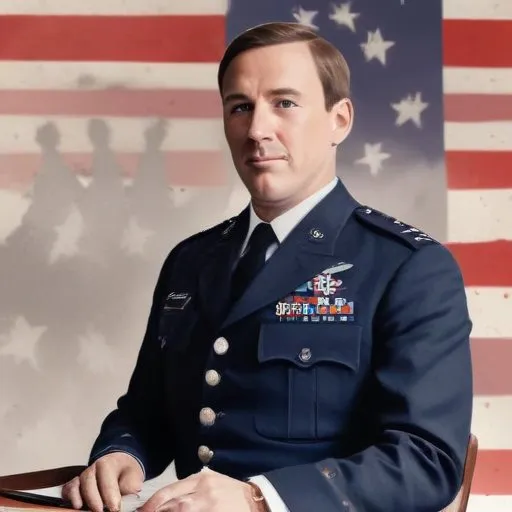
The 54th Governor of Connecticut was a decorated Civil War veteran and politician who served as a U.S. Senator and later as the first president of the American Baseball League, now known as Major League Baseball. He played a significant role in shaping the sport's early years.
Born in 1809
Led the United States through its Civil War and ultimately abolished slavery, leaving a lasting legacy in American history.
Born in 1822
Led the Union Army to victory in the Civil War and later became President, known for issuing the Emancipation Proclamation and strengthening federal authority.
Born in 1822
The 19th President of the United States, a general, lawyer, and politician who ended the Reconstruction era and withdrew federal troops from the South, allowing Racial Segregation to begin. He's also known for being a strong supporter of education and civil service reform.
Born in 1831
The 20th President of the United States was a multifaceted leader who served as a general in the Civil War and later became a lawyer and politician, known for his strong advocacy for education and civil rights. He's also infamous for being assassinated just six months into his presidency.
Born in 1829
The 21st President of the United States, a strong advocate for civil service reform, is most known for signing the Pendleton Civil Service Act, which transformed the federal government's hiring practices. He's also remembered for his unexpected rise to presidency after the assassination of James A. Garfield.
Born in 1837
The first Democrat elected after the Civil War, he served two non-consecutive terms, earning him a unique spot in history, and is often remembered for his strong leadership and commitment to limited government.
Born in 1833
The 23rd President of the United States was a prominent leader who oversaw the admission of six new states to the Union and supported education and conservation efforts. He's also known for being the grandson of William Henry Harrison, the 9th President.
Born in 1843
The 25th President of the United States, a strong leader who championed high tariffs and annexed Hawaii, is most known for being assassinated at the 1901 World's Fair. He played a significant role in shaping the country's economy and foreign policy.