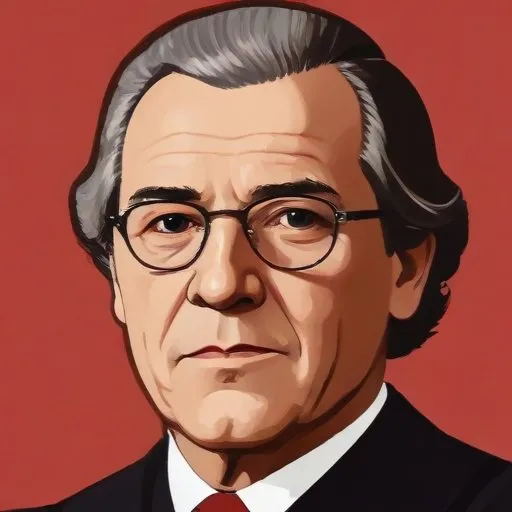
Morrison Waite

Morrison Waite

Morrison Waite was born on November 29th, 1816

Full Name: Morrison Remick Waite
Place of Birth: Lyme, Connecticut
Zodiac Sign: Virgo
Profession: Jurist and Politician
Nationality: American
Birth Date: November 29, 1816
Death Date: March 23, 1888
Notable Office: 7th Chief Justice of the United States

The 7th Chief Justice of the United States, who served from 1874 to 1888 and is best known for delivering the majority opinion in the landmark case of Santa Clara County v. Southern Pacific Railroad, which established corporate personhood.

Timeline
1816
Born in Ohio
Morrison Waite was born on November 29, 1816, in Lyme, Ohio. He would go on to become an American jurist and politician.
1839
Admitted to Bar
Waite was admitted to the bar in Ohio, marking the beginning of his legal career.
1851
Becomes Ohio State Senator
Waite was elected to the Ohio State Senate, where he served for several years and developed his political skills.
1874
Becomes 7th Chief Justice
Waite was appointed as the 7th Chief Justice of the United States, a position he held until his death in 1888.
1888
Died in Washington D.C.
Morrison Waite passed away on March 23, 1888, in Washington D.C., leaving behind a legacy as a respected jurist and politician.
Morrison Waite

Morrison Waite Quiz

Morrison Waite is best known for delivering the majority opinion in which landmark case?

Score: 0/5
FAQ
What is Morrison Waites significance in American history?
Morrison Waite was the 7th Chief Justice of the United States, serving from 1874 to 1888, and played a crucial role in shaping the countrys legal landscape during the Reconstruction Era.
What were Morrison Waites contributions to the US Supreme Court?
During his tenure, Waite oversaw several landmark cases, including the Civil Rights Cases and Santa Clara County v. Southern Pacific Railroad, which had significant implications for civil rights and corporate law.
How did Morrison Waites early life influence his career?
Born in 1816 in Lyme, Connecticut, Waites early life was marked by a strong educational foundation, which laid the groundwork for his successful legal career and eventual appointment to the Supreme Court.
What was Morrison Waites stance on civil rights?
Waites court issued several rulings that limited the scope of the 14th Amendment, leading to criticism that he was not adequately protecting the rights of African Americans during the Reconstruction Era.
What was Morrison Waites legacy after leaving the Supreme Court?
After retiring from the Supreme Court in 1888, Waite continued to practice law and remained involved in public affairs, leaving behind a legacy as a respected jurist and statesman.

Related People:

Salmon P. Chase

Born in 1808

The 6th Chief Justice of the United States, a strong advocate for slavery abolition and a key player in shaping the country's financial system, particularly during the Civil War era.

Abraham Lincoln

Born in 1809

Led the United States through its Civil War and ultimately abolished slavery, leaving a lasting legacy in American history.

Ulysses S. Grant

Born in 1822

Led the Union Army to victory in the Civil War and later became President, known for issuing the Emancipation Proclamation and strengthening federal authority.

Rutherford B. Hayes

Born in 1822

The 19th President of the United States, a general, lawyer, and politician who ended the Reconstruction era and withdrew federal troops from the South, allowing Racial Segregation to begin. He's also known for being a strong supporter of education and civil service reform.

James A. Garfield

Born in 1831

The 20th President of the United States was a multifaceted leader who served as a general in the Civil War and later became a lawyer and politician, known for his strong advocacy for education and civil rights. He's also infamous for being assassinated just six months into his presidency.

Chester A. Arthur

Born in 1829

The 21st President of the United States, a strong advocate for civil service reform, is most known for signing the Pendleton Civil Service Act, which transformed the federal government's hiring practices. He's also remembered for his unexpected rise to presidency after the assassination of James A. Garfield.

John Marshall

Born in 1755

The 4th Chief Justice of the United States Supreme Court, a leading figure in shaping the country's judiciary system and interpreting its Constitution, is renowned for establishing the principle of judicial review. This legacy has had a lasting impact on American law and politics.

Roger B. Taney

Born in 1777

The 5th Chief Justice of the United States, who delivered the infamous Dred Scott decision, ruling that African Americans were not citizens and had no right to sue in court. He's infamous for perpetuating slavery and racism in the US.