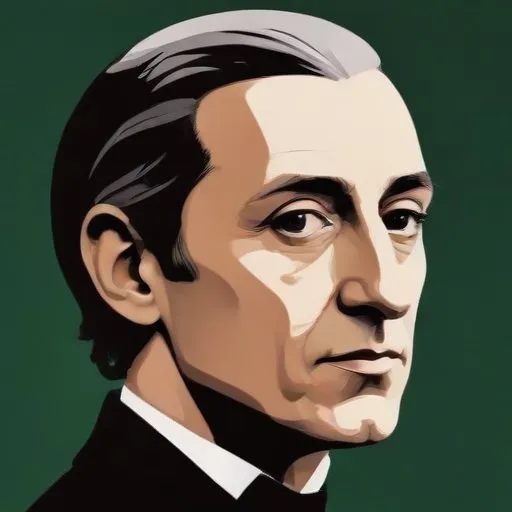
Muzio Clementi

Muzio Clementi

Muzio Clementi was born on January 23rd, 1752

Full Name: Muzio Clementi
Place of Birth: Rome
Profession: Pianist, Composer, and Conductor
Nationality: Italian
Notable Work: Sonatina Op. 36, No. 1
Influenced: Classical period
Birth Year: 1752
Death: 1832

A renowned pianist, composer, and conductor who revolutionized piano music with his technically demanding and expressive compositions, influencing generations of musicians.

Timeline
1752
Birth in Rome
Muzio Clementi was born in Rome, Italy, on January 23rd, 1752, into a family of modest means.
1766
Composed his First Symphony
Clementi composed his First Symphony, marking the beginning of a long and productive musical career.
1770
Toured Europe as a Virtuoso
Clementi toured Europe as a virtuoso pianist, performing for royal courts and earning widespread acclaim.
1804
Founded the London Philharmonic Society
Clementi founded the London Philharmonic Society, promoting classical music and supporting talented musicians.
1832
Died in Evesham
Muzio Clementi died on March 10th, 1832, in Evesham, England, leaving behind a legacy of music and innovation.
Muzio Clementi

Muzio Clementi Quiz

Muzio Clementi was a renowned musician and composer in which musical era?

Score: 0/5
FAQ
What is Muzio Clementi known for in music?
Muzio Clementi is known for being a prominent composer and pianist of the Classical period, contributing to the development of the sonata form and creating over 100 piano sonatas. He is often called the Father of the Piano Sonata.
What is the significance of Muzio Clementis piano sonatas?
Muzio Clementis piano sonatas are significant because they showcase his innovative use of harmony, modulation, and melodic structure, influencing generations of composers, including Ludwig van Beethoven and Franz Liszt.
How did Muzio Clementi influence piano music?
Muzio Clementis piano music had a profound influence on the development of the instrument and its repertoire. He expanded the technical possibilities of the piano, paving the way for Romantic-era virtuosos.
What was Muzio Clementis role in the London music scene?
Muzio Clementi was a prominent figure in Londons musical life, performing as a soloist and conductor, and publishing his music through his own publishing company, Clementi & Co.
What is Muzio Clementis legacy in music education?
Muzio Clementis pedagogical works, such as his famous piano method Gradus ad Parnassum, remain influential in music education, providing a foundation for piano instruction and helping to establish the piano as a central instrument in music education.

Related People:

Wolfgang Amadeus Mozart

Born in 1756

A child prodigy and master of classical music, he composed over 600 works, including symphonies, operas, and chamber music, that continue to inspire and influence musicians today.

Ludwig van Beethoven

Born in 1770

A musical genius who expanded the possibilities of classical music, creating iconic symphonies and piano sonatas that continue to inspire and influence generations of artists.

Franz Liszt

Born in 1811

A virtuosic pianist and composer who revolutionized classical music with his technically demanding and emotionally expressive works, blending Hungarian folk influences with Romantic-era drama.

Frédéric Chopin

Born in 1810

A Polish pianist and composer renowned for his delicate, expressive, and technically demanding piano music that evokes deep emotions and continues to inspire generations of musicians and music lovers. His nocturnes, waltzes, and preludes are staples of classical music.

Johannes Brahms

Born in 1833

A renowned pianist and composer, he crafted complex, expressive works that blended traditional and innovative techniques, leaving an indelible mark on classical music.

Pyotr Ilyich Tchaikovsky

Born in 1840

A renowned Russian composer and educator, he is best known for his iconic and beloved ballets, such as Swan Lake and The Nutcracker, which continue to enchant audiences worldwide.

Antonio Vivaldi

Born in 1678

A virtuosic violinist and prolific composer, he crafted over 400 concertos, including "The Four Seasons," which remains a beloved and iconic masterpiece of classical music.

Niccolò Paganini

Born in 1782

A virtuosic violinist and composer who revolutionized the instrument's technical possibilities, leaving an indelible mark on classical music.