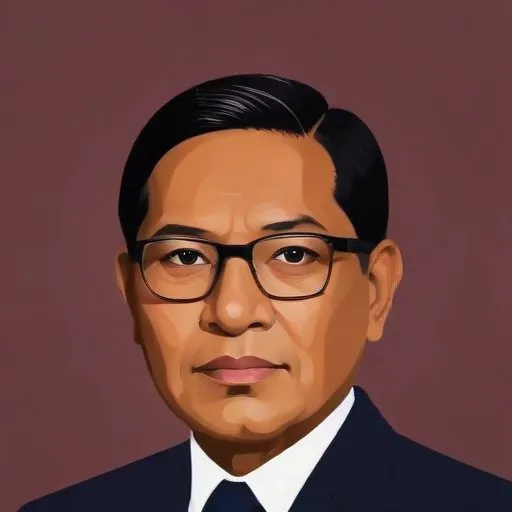
P. A. Sangma

P. A. Sangma

P. A. Sangma was born on September 1st, 1947

Full Name: Purno Agitok Sangma
Place of Birth: Chapahati, Assam, India
Profession: Lawyer, Politician
Position: 11th Speaker of the Lok Sabha
Term: 1996-1998
Party: Nationalist Congress Party
Nationality: Indian
Spouse: Soradini Sangma

The 11th Speaker of the Lok Sabha, a prominent Indian lawyer and politician, is most known for their significant contributions to Indian politics and governance, particularly in the Lok Sabha. They played a crucial role in shaping the country's legislative landscape.

Timeline
1947
Born in Assam, India
P. A. Sangma was born on September 1, 1947, in Assam, India. He would go on to become a prominent lawyer and politician.
1973
Elected to Lok Sabha
Sangma was first elected to the Lok Sabha in 1973, representing the Tura constituency in Meghalaya.
1991
Becomes Minister of State
Sangma became the Minister of State for Labour in the Government of India in 1991.
1996
Elected Speaker of Lok Sabha
Sangma was elected as the 11th Speaker of the Lok Sabha in 1996, a position he held until 1998.
2016
Passes Away
P. A. Sangma passed away on March 4, 2016, at the age of 68.
P. A. Sangma

P. A. Sangma Quiz

What was P. A. Sangma's prominent role in Indian politics?

Score: 0/5
FAQ
What was P. A. Sangmas role in Indian politics?
P. A. Sangma was an Indian lawyer and politician who served as the 11th Speaker of the Lok Sabha, the lower house of Indias Parliament. He was a prominent leader of the Nationalist Congress Party.
What were P. A. Sangmas views on Indian federalism?
Sangma was a strong advocate for greater autonomy for Indias states and a more federal system of government. He believed this would allow for more effective governance and development.
What was P. A. Sangmas background before entering politics?
Before entering politics, Sangma was a successful lawyer, practicing in the High Court of Meghalaya. He later became involved in state politics, serving as Chief Minister of Meghalaya.
How did P. A. Sangmas presidency impact Indian politics?
As Speaker of the Lok Sabha, Sangma played a key role in shaping Indias parliamentary debates and legislation. He was known for his fairness and willingness to listen to opposing views.
What was P. A. Sangmas legacy after leaving office?
After leaving office, Sangma remained an influential figure in Indian politics, continuing to advocate for his partys policies and values. He died in 2016, leaving behind a legacy of public service and commitment to democracy.

Related People:

Sonia Gandhi

79 Years Old

The first female President of the Indian National Congress, leading the party to a landslide victory in 2004, and playing a crucial role in shaping India's political landscape.

Rahul Gandhi

56 Years Old

Indian National Congress leader and scion of the Nehru-Gandhi family, known for his efforts to revitalize the party and promote social justice.

Manmohan Singh

94 Years Old

The 13th Prime Minister of India, a renowned economist who led the country through a period of rapid economic growth and liberalization, implementing reforms that transformed India's economy. He is credited with helping to lift millions of people out of poverty.

Pranab Mukherjee

90 Years Old

The 13th President of India, a seasoned politician and journalist, served as the head of state from 2012 to 2017, playing a key role in shaping the country's economy and foreign policy. He's known for his diplomatic skills and ability to build consensus.

Somnath Chatterjee

97 Years Old

The 14th Speaker of the Lok Sabha, a prominent Indian politician and lawyer, known for his tenure as the Speaker of the Lower House of the Indian Parliament from 2004 to 2009. He played a crucial role in shaping India's legislative landscape during his term.

Sharad Pawar

85 Years Old

Indian Minister of Agriculture who played a crucial role in shaping the country's agricultural policies and is credited with introducing several reforms to benefit farmers.

A. K. Antony

85 Years Old

Indian Minister of Defence from 2006 to 2014, known for his efforts to modernize the Indian military and strengthen national security. He played a key role in shaping India's defence policies.