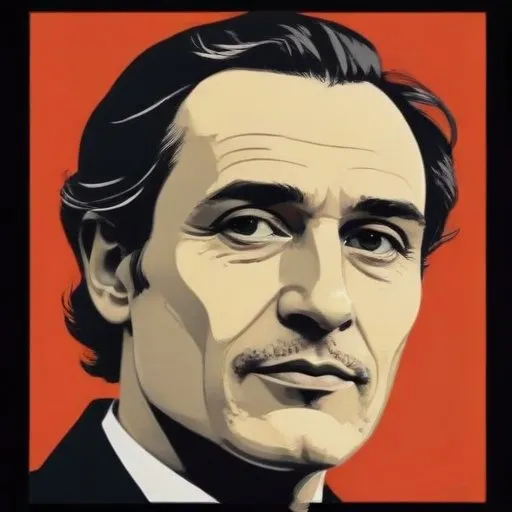
Pablo Gargallo

Pablo Gargallo

Pablo Gargallo was born on January 5th, 1881

Full Name: Pablo Gargallo
Nationality: Spanish
Profession: Sculptor and painter
Birthplace: Barcelona, Spain
Art movement: Cubism
Notable work: Gran Dama
Influence: Pablo Picasso
Style: Abstract figurative

A Spanish artist who blended Cubism and Futurism to create innovative sculptures and paintings that explored the human form and movement. His works often featured fragmented bodies and abstracted shapes.

Timeline
1881
Birth of Pablo Gargallo
Pablo Gargallo was born on January 5, 1881, in Spain. He would go on to become a sculptor and painter.
1897
Study of Art
Gargallo began studying art at the Barcelona Academy of Fine Arts in 1897.
1902
Parisian Artistic Circle
Gargallo joined the Parisian artistic circle in 1902, where he was influenced by Cubism and other avant-garde movements.
1920
Sculptural Innovations
Gargallo developed new techniques in sculpture in 1920, combining traditional materials with modernist approaches.
1934
Death of Pablo Gargallo
Pablo Gargallo passed away on December 28, 1934, leaving behind a legacy of innovative art and sculpture.
Pablo Gargallo

Pablo Gargallo Quiz

Pablo Gargallo's artistic style is characterized by the blending of which two movements?

Score: 0/5
FAQ
What is Pablo Gargallos artistic style?
Pablo Gargallos artistic style is characterized by its modernist and avant-garde approach, blending elements of Cubism, Futurism, and Surrealism. His sculptures often feature geometric shapes and abstract forms.
What are Gargallos most famous sculptures?
Pablo Gargallos most famous sculptures include his iconic Mask of the Moor and The Prophet, which showcase his innovative use of metal and his ability to create complex, dynamic forms.
What was Gargallos role in the Spanish avant-garde movement?
Pablo Gargallo was a key figure in the Spanish avant-garde movement, which sought to revolutionize Spanish art and culture in the early 20th century. He collaborated with other prominent artists, such as Pablo Picasso and Joan Miró.
What was Gargallos relationship with Picasso?
Pablo Gargallo and Pablo Picasso were close friends and artistic collaborators. They shared a passion for experimentation and innovation, and their artistic styles often overlapped and influenced each other.
What is Gargallos legacy?
Pablo Gargallos legacy is that of a pioneering artist who pushed the boundaries of modern sculpture and contributed to the development of Spanish modernism.

Related People:

Pablo Picasso

Born in 1881

A pioneering artist who transformed modern art with pioneering Cubist works, creating a new visual language that continues to inspire and influence art, design, and culture.

Joan Miró

Born in 1893

A renowned Spanish artist, famous for his vibrant, dreamlike paintings and sculptures that blended abstraction and surrealism, creating a unique visual language. His works often featured bold colors, biomorphic forms, and a sense of playfulness.

Salvador Dalí

Born in 1904

A renowned surrealist master of bizarre, dream-like paintings and sculptures that blur reality and fantasy, known for iconic works like "The Persistence of Memory" and "The Elephants".

René Magritte

Born in 1898

A Belgian surrealist painter who challenged perceptions by depicting everyday objects in unexpected contexts, creating thought-provoking and witty visual paradoxes.

Max Ernst

Born in 1891

A pioneering figure in Surrealism, creating dreamlike, fantastical works that blurred reality and the subconscious, influencing generations of artists.

André Breton

Born in 1896

French poet and author who founded Surrealism, a cultural movement that explored the subconscious and the world of dreams. He wrote novels, poems, and essays that continue to influence art and literature today.

Georges Braque

Born in 1882

A pioneer of Cubism, creating fragmented forms and multiple perspectives in art, revolutionizing modern art movements.

Henri Matisse

Born in 1869

A pioneering artist who revolutionized modern art with bold, expressive, and colorful works that blurred the lines between painting and sculpture, creating a new language of form and color.