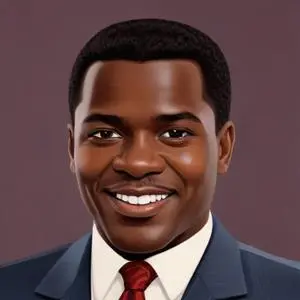
Patrice Lumumba

Patrice Lumumba

Patrice Lumumba was born on July 2nd, 1925

Nationality: Congolese
Profession: Politician
Place of birth: Onalua, Congo
Occupation: Prime Minister
Office: Prime Minister of the DRC
Party: Mouvement National Congolais
Known for: Independence movement
Assassination: 1961

The first Prime Minister of the Democratic Republic of the Congo, a key figure in the country's struggle for independence from Belgium, and a symbol of African nationalism. He played a crucial role in shaping the country's early years, but his life was cut short by assassination.

Timeline
1925
Born in Onalua
Patrice Lumumba was born on July 2, 1925, in Onalua, in what is now the Democratic Republic of the Congo.
1955
Founded Mouvement National Congolais
Lumumba founded the Mouvement National Congolais, a nationalist party that sought independence from Belgium.
1960
Became Prime Minister
Lumumba became the first Prime Minister of the Democratic Republic of the Congo after independence from Belgium.
1961
Arrested and Assassinated
Lumumba was arrested and assassinated on January 17, 1961, by a firing squad in Élisabethville, Congo, after a coup détat by Joseph-Désiré Mobutu.
2002
Belgium Apologized
The Belgian government officially apologized for its role in Lumumbas assassination on February 5, 2002.
Patrice Lumumba

Patrice Lumumba Quiz

What was Patrice Lumumba's role in the Democratic Republic of the Congo?

Score: 0/5
FAQ
What was Patrice Lumumbas role in the Congos fight for independence?
Patrice Lumumba was a key leader in the Congos struggle for independence from Belgium. He founded the Mouvement National Congolais and eventually became the countrys first prime minister, advocating for Pan-Africanism and social justice.
How did Patrice Lumumbas assassination impact the Congo and Africa?
Patrice Lumumbas assassination in 1961 was a traumatic event for the Congo and Africa as a whole. It marked the beginning of a long period of political instability and foreign intervention in the region.
What were Patrice Lumumbas views on Pan-Africanism?
Patrice Lumumba was a strong advocate for Pan-Africanism, believing in the unity and solidarity of African nations. He saw African independence as a crucial step towards ending colonialism and promoting global social justice.
How did Patrice Lumumbas poetry and writing reflect his political views?
Patrice Lumumbas poetry and writing often reflected his political views, emphasizing the importance of African unity, independence, and social justice. His writing remains a powerful expression of his vision for a free and equal Africa.
What is Patrice Lumumbas legacy in modern-day Congo?
Patrice Lumumbas legacy continues to inspire Congolese people today, with many regarding him as a national hero and a symbol of resistance against colonialism and oppression.

Related People:

Mobutu Sese Seko

95 Years Old

A ruthless dictator who ruled Zaire with an iron fist, notorious for embezzling millions and plunging his country into economic chaos.

Moise Tshombe

Born in 1919

A Congolese leader who served as Prime Minister of the Democratic Republic of the Congo, known for his role in the country's early years of independence and his complex relationships with foreign powers.

Kofi Annan

88 Years Old

A renowned international diplomat who led the United Nations from 1997 to 2006, promoting global cooperation and development, and receiving the Nobel Peace Prize in 2001.

Nelson Mandela

Born in 1918

A South African lawyer and politician who fought against apartheid, becoming the country's first black president and a symbol of racial reconciliation, earning a Nobel Peace Prize. He's a beacon of hope and freedom.

Julius Nyerere

Born in 1922

First President of Tanzania, led the country to independence from British colonial rule and implemented socialist policies, known for his Pan-Africanism and anti-colonialism efforts.

Kwame Nkrumah

Born in 1909

First President of Ghana, leading the country to independence from British colonial rule and promoting Pan-Africanism. He's known for his vision of a united Africa and his role in shaping modern Ghana.