


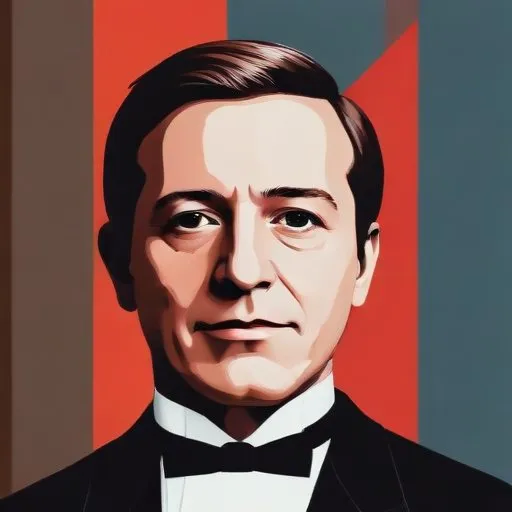
A renowned French musician who excelled as an organist, composer, and conductor, leaving a lasting legacy in the classical music world. He's particularly famous for his interpretations of French Baroque music.
Paul Paray was a renowned French conductor, organist, and composer who left an indelible mark on the world of classical music. Best known for his tenure as the resident conductor of the Detroit Symphony Orchestra from 1952 to 1963, Paray's contributions to the realm of music are still celebrated today.
Born on May 24, 1886, in Le Trport, Normandy, France, Paray's musical journey began at a tender age. His father, Auguste, a sculptor and organist, introduced him to the world of music, teaching him to play the drums in the local amateur musical society orchestra.
Paray's formal education in music began in Rouen, where he studied under the tutelage of Abbots Bourgeois and Bourdon, and later honed his organ skills with Haelling. These early lessons paved the way for his entry into the prestigious Paris Conservatoire.
In 1911, Paray's talents were recognized when he won the Premier Grand Prix de Rome for his cantata, Yanitza. This achievement catapulted him into the spotlight, earning him opportunities to conduct esteemed orchestras.
During World War I, Paray's resourcefulness and creativity shone through as he composed his string quartet in E minor and piano suite D'une mère... solely in his mind, without the aid of paper. He would later notate these compositions from memory after the war.
Paray's career witnessed numerous milestones, including his debut as a conductor with the New York Philharmonic-Symphony Orchestra in 1939. He also held the position of music director of the Monte Carlo Orchestra and president of the Concerts Colonne.
Paray's influence on modern classical music is undeniable. His commitment to promoting French music and his support for emerging composers have left a lasting legacy. During his tenure with the Detroit Symphony Orchestra, he introduced audiences to a diverse range of repertoire, including works by French masters.
Paray's unique blend of technical mastery and interpretive insight has inspired generations of musicians and conductors. His legacy continues to be celebrated through performances of his compositions and the continued support of classical music initiatives.
Throughout his illustrious career, Paray received numerous accolades, including the Premier Grand Prix de Rome and the Grand Prix de la Ville de Paris.
Today, Paul Paray is remembered as a visionary conductor, composer, and champion of French classical music. His contributions to the world of music continue to inspire and enrich audiences around the globe.
Born in 1886
A renowned French organist and composer, known for his virtuosic performances and contributions to the organ repertoire, including symphonic poems and chamber music.
Born in 1844
A renowned French organist and composer, he was a master of the symphonic organ style, creating iconic works that showcased the instrument's grandeur. His compositions continue to inspire and influence organ music today.
Born in 1870
A renowned organist and composer, he was instrumental in shaping the French organ school, creating complex and innovative works that showcased his mastery of the instrument. His compositions continue to inspire and challenge organists today.
Born in 1862
A renowned French organist and composer, he's most known for his beautiful and intricate compositions for the organ, particularly his famous "Toccata" in D minor.
Born in 1822
A Belgian organist and composer who created iconic works that blended Romanticism and Impressionism, leaving a lasting impact on classical music.
Born in 1835
A French Romantic-era mastermind who composed iconic works like "The Carnival of the Animals" and "Danse Macabre", leaving an indelible mark on classical music.
Born in 1845
A renowned French pianist, composer, and educator, he is most known for his romantic and impressionistic compositions, particularly his Requiem and nocturnes.
Born in 1908
A French composer and ornithologist who merged birdsong with avant-garde music, creating a unique and influential sound. His work continues to inspire musicians and bird enthusiasts alike.
