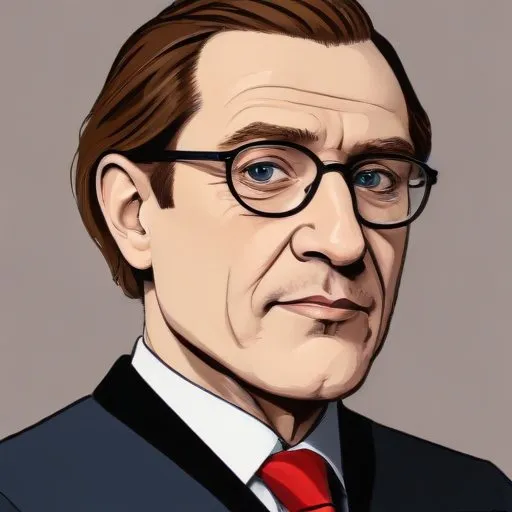
Peder Griffenfeld: The Danish Statesman and Royal Favourite
A Ruler in All but Name
Peder Griffenfeld, born Peder Schumacher, was a Danish statesman and royal favourite who rose to become the de facto ruler of Denmark-Norway in the 1670s. As the principal adviser to King
Christian V of Denmark, Griffenfeld wielded immense power and influence, earning him the title of Chancellor of Denmark in 1673.
Early Life and Education
Griffenfeld was born on August 24, 1635, in Copenhagen, into a wealthy trading family with connections to the city's leading civic, clerical, and learned circles. From a young age, he demonstrated extraordinary gifts, mastering classical languages with ease and displaying an unnerving diligence. His preliminary examination at the age of ten won him the friendship of Bishop Jesper Brochmand, who became his mentor.
Abroad and the Call of Politics
In 1654, Griffenfeld embarked on an eight-year journey abroad to complete his education. He traveled to Germany, the Netherlands, and England, where he spent three years at Queen's College, Oxford. It was during this time that he witnessed the epoch-making events of the English Revolution, which profoundly interested him and convinced him that his future lay in politics.
Rise to Power
Upon his return to Denmark, Griffenfeld's connections and reputation earned him an audience with King
Frederick III. The king was impressed by the young Schumacher and tasked him with translating a chapter from the Hebrew Bible into Latin and then Danish, further solidifying their bond.
Chancellor of Denmark and Count
In 1670, Griffenfeld became the principal adviser to King Christian V, effectively making him the ruler of Denmark-Norway. Three years later, he was appointed Chancellor of Denmark, elevated to the rank of count, and received the Order of the Elephant, the country's highest order.
Downfall and Imprisonment
However, Griffenfeld's meteoric rise was cut short by his enemies at court. In 1676, he was arrested and convicted of treason, a charge that historians agree was false. He was imprisoned for 22 years, mainly at Munkholmen in Norway, where he was subjected to harsh conditions.
Legacy and Impact
Despite his tragic downfall, Griffenfeld's legacy as a statesman and royal favourite has endured. His influence on Danish politics and history remains significant, and his story serves as a cautionary tale about the perils of power and the importance of integrity.
Personal Milestones and Key Life Events
- 1635: Born in Copenhagen on August 24
- 1654: Embarked on an eight-year journey abroad to complete his education
- 1670: Became the principal adviser to King Christian V
- 1673: Appointed Chancellor of Denmark, elevated to count, and received the Order of the Elephant
- 1676: Arrested and convicted of treason
- 1699: Died on March 12 at Munkholmen in Norway
Trivia and Fun Facts
- Griffenfeld's extraordinary gifts and mastery of classical languages earned him the friendship of Bishop Jesper Brochmand.
- He was known for his unnerving diligence, which contributed to his rapid rise in politics.
- Griffenfeld's imprisonment at Munkholmen in Norway lasted for 22 years, during which he was subjected to harsh conditions.
Image: Portrait of Peder Griffenfeld (Source: Public Domain)
Influence on Modern Society
Griffenfeld's story serves as a reminder of the corrupting influence of power and the importance of accountability in politics. His legacy continues to inspire historians and scholars, offering valuable insights into the complexities of 17th-century Danish politics.
Philosophical Contributions and Beliefs
While Griffenfeld's philosophical contributions are not as well-documented as his political achievements, his beliefs and values are reflected in his actions and decisions as a statesman. He was a strong advocate for the interests of Denmark-Norway, and his policies aimed to strengthen the country's position in Europe.