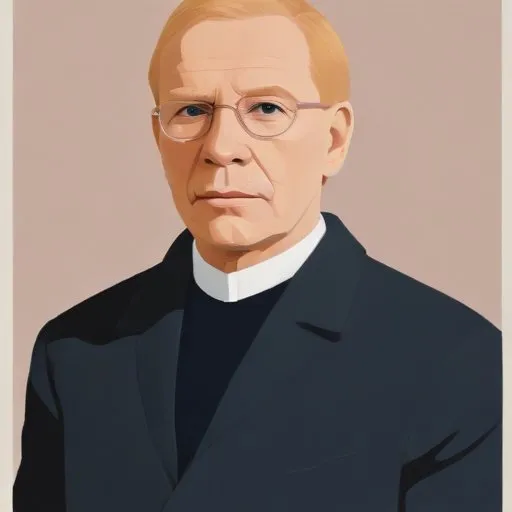
Pekka Halonen: The Finnish Master of National Romanticism
A Chronicler of Finnish Landscapes and People
Pekka Halonen is renowned for his captivating paintings of Finnish landscapes and people, which embody the essence of National Romanticism and Realism. His artwork is a testament to his deep connection with the Finnish culture and his ability to evoke emotions through his brushstrokes.
Early Life and Inspirations
Born on September 23, 1865, in Linnasalmi, Lapinlahti, Finland, Halonen was exposed to the world of art from a young age. His father, Olli Halonen, was a farmer and a decorative painter who would often take his son on painting trips to neighboring districts. This early exposure kindled Halonen's passion for art, and he went on to study at the Art Society's Drawing School in Helsinki for four years.
Parisian Sojourn and Influences
In 1890, Halonen traveled to Paris, where he studied at the Académie Julian and later under the tutelage of
Paul Gauguin. This period had a profound impact on his art, as he was introduced to the styles of Synthetism and Japanese woodcuts. Gauguin's decorative style, in particular, left an indelible mark on Halonen's work.
A Traveler's Eye: Exploring European Art and Culture
Halonen's travels took him to various European cities, including Florence, Siena, Rome, and Naples, where he studied early Renaissance art. In 1904, he embarked on a journey to Vienna and Florence via St. Petersburg, further enriching his understanding of art and culture.
Awards and Recognition
Halonen's talent was recognized early on, and he was awarded a scholarship to study abroad. In 1900, he created two works for the Finnish Pavilion at the Exposition Universelle in Paris, solidifying his reputation as a prominent Finnish artist.
Personal Life and Legacy
In 1895, Halonen married Maija Mäkinen, a young music student, and they had eight children together. He passed away on December 1, 1933, in Tuusula, Finland, leaving behind a legacy that continues to inspire generations of artists and art enthusiasts.
Artistic Style and Themes
Halonen's artwork is characterized by its simplicity, yet profound ability to evoke emotions. His paintings often depicted everyday scenes from his surroundings, such as landscapes, people, and rural life. During a time when Finland's existence was threatened, Halonen's work served as a beacon of national pride, symbolizing the country's struggle for independence.
Notable Works
- Sauna in the Snow (1908) - A masterpiece that captures the serenity and tranquility of a Finnish winter landscape.
- Winter Landscape (1900) - A work that exemplifies Halonen's ability to convey the beauty and harshness of the Finnish winter.
Impact on Finnish Art and Culture
Pekka Halonen's contributions to Finnish art and culture are immeasurable. He played a vital role in fostering national pride and promoting Finnish identity through his artwork. His legacy continues to inspire artists, and his paintings remain an integral part of Finnish cultural heritage.
Conclusion
Pekka Halonen's life and art serve as a testament to the power of creativity and national pride. His paintings continue to captivate audiences, offering a glimpse into the soul of Finland and its people. As a master of National Romanticism and Realism, Halonen's legacy will forever be etched in the annals of Finnish art history.
FAQ
What style of painting did Pekka Halonen practice?
Pekka Halonen was a Finnish painter who practiced Realism, focusing on depicting everyday life and landscapes with precision and detail. His work is characterized by its simplicity, accuracy, and use of muted colors.
What were Pekka Halonens most famous paintings?
Pekka Halonens most famous paintings include The Hut and Landscape from Kyyjärvi, which showcase his mastery of Realism and attention to detail. His paintings are highly regarded for their ability to evoke a sense of nostalgia and tranquility.
How did Pekka Halonens Finnish heritage influence his art?
Pekka Halonens Finnish heritage had a profound influence on his art, as he often drew inspiration from the countrys landscapes, people, and culture. His paintings often featured rural scenes, folk costumes, and traditional Finnish architecture.
What was Pekka Halonens role in Finnish art history?
Pekka Halonen played a significant role in Finnish art history, as he was one of the first Finnish painters to gain international recognition. He helped establish Finland as a major center of art, paving the way for future generations of Finnish artists.
What legacy did Pekka Halonen leave behind?
Pekka Halonen left behind a legacy of beautiful, detailed paintings that continue to inspire and influence Finnish art. His work is highly regarded for its technical skill, emotional depth, and ability to evoke a sense of national pride.