


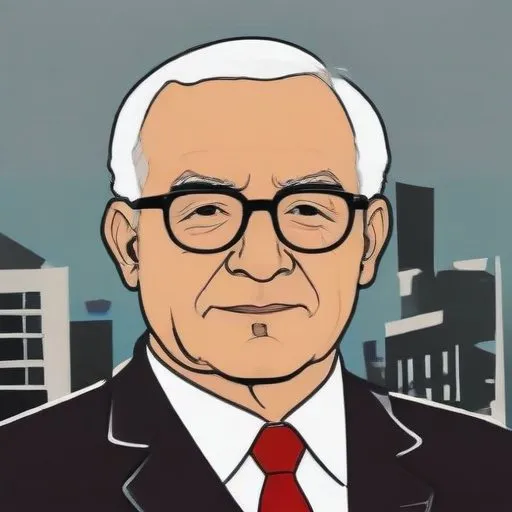
Designed iconic, deconstructivist buildings that challenge traditional notions of architecture, blending art and functionality. His structures often spark controversy and intellectual debate.
Peter Eisenman, a pioneer of deconstructive architecture, is renowned for his avant-garde designs that challenge traditional notions of form and function. As a member of the New York Five, a group of architect intellectuals, Eisenman's work has been instrumental in shaping the course of modern architecture.
Eisenman's architectural journey is marked by several iconic projects that showcase his innovative approach. One of his most notable works is the Wexner Center for the Visual Arts in Columbus, Ohio, a building that epitomizes his deconstructivist style. Other significant projects include the Memorial to the Murdered Jews of Europe in Berlin, the Memorial to the Victims of the Nazi Regime in Vienna, and the City of Culture of Galicia in Spain.
Eisenman's architecture is deeply rooted in his philosophical convictions. He is a strong advocate for the importance of theory in architecture, believing that it is essential to challenge established notions of design. His work is characterized by a relentless pursuit of innovation, often pushing the boundaries of what is considered possible in architecture.
Eisenman's influence extends beyond the realm of architecture, inspiring a generation of designers, artists, and thinkers. His work has been instrumental in shaping the urban landscape, redefining the way we interact with public spaces and buildings. His emphasis on theory and innovation has also inspired a new wave of architects who are committed to pushing the boundaries of design.
Eisenman's contributions to architecture have been recognized with numerous awards and honors. He is the recipient of the Wolf Prize in Arts, one of the most prestigious awards in the field. He has also received the National Design Award from the Cooper-Hewitt, National Design Museum, and the American Institute of Architects' (AIA) Gold Medal.
In addition to his architectural practice, Eisenman is a dedicated educator. He has taught at several prestigious institutions, including Yale University, Harvard University, and the University of Cambridge. He is currently a professor emeritus at the Cooper Union School of Architecture and teaches theory seminars and advanced design studios at the Yale School of Architecture.
Eisenman was born on August 11, 1932, in Newark, New Jersey, to Jewish parents. He developed an interest in architecture at an early age and went on to study architecture at Cornell University, Columbia University, and the University of Cambridge. He received an honorary degree from Syracuse University School of Architecture in 2007.
Eisenman's work is deeply rooted in the historical context of modern architecture. He emerged as a key figure in the 1960s, a time of great change and upheaval in the field. His contribution to the development of deconstructivist architecture has been instrumental in shaping the course of modern architecture.
In conclusion, Peter Eisenman's impact on modern architecture is undeniable. His innovative designs, philosophical convictions, and commitment to teaching have inspired a generation of architects and thinkers. His legacy continues to shape the urban landscape, pushing the boundaries of what is possible in architecture.
Born in 1867
Visionary architect behind iconic, harmonious structures that blend seamlessly into their surroundings, redefining modern American architecture.
Born in 1917
A renowned architect who designed iconic buildings that blend modernity with cultural sensitivity, leaving an indelible mark on the urban landscape.
Born in 1887
A pioneer of modern architecture, famous for designing innovative, functional, and visually striking buildings that transformed urban landscapes. His works continue to inspire architects and designers worldwide.
Born in 1886
A pioneering architect who revolutionized modern skyscraper design with sleek, minimalist, and functional buildings that redefined urban landscapes. His iconic creations continue to inspire architects and influence city skylines.
Born in 1883
A pioneer of modernist architecture, he designed iconic buildings that blended functionality with aesthetics, including the John F. Kennedy Federal Building. His work continues to inspire architects and designers today.
Born in 1910
A Finnish-American architect and furniture designer who created iconic, futuristic structures and designs that blended art and functionality, including the iconic Gateway Arch.
Born in 1892
A pioneering architect who designed iconic buildings that blended seamlessly into their surroundings, revolutionizing modernist architecture with his sleek, functional, and elegant style.
Born in 1901
A renowned architect celebrated for designing iconic, modernist buildings that blend functionality with aesthetic appeal, leaving a lasting impact on the world of architecture.
