


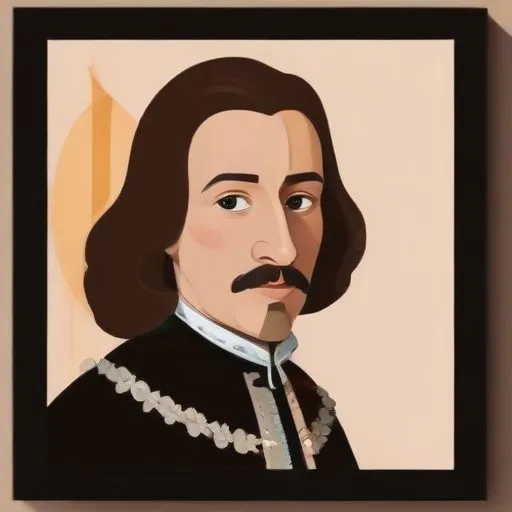
Known for his remarkable loyalty to the French crown and his crucial role as regent during the minority of Charles VIII, Peter II, Duke of Bourbon, left an indelible mark on French history. As a member of the powerful House of Bourbon, Peter's life was a testament to his family's meekness and humility, earning him the respect of even the cunning Louis XI.
Born on December 1, 1438, to Charles I, Duke of Bourbon, and Agnes of Burgundy, Peter's marriage to Anne of France, the King's elder daughter, solidified his position as a trusted servant of the crown. This strategic union, sealed on November 3, 1473, paved the way for Peter's rise to prominence in the royal court.
Following Louis XI's death in 1483, Peter, alongside his wife Anne, was entrusted with the guardianship of the young Charles VIII. As regents, they skillfully navigated the complexities of royal politics, ensuring a smooth transition of power. Their wise governance earned them the gratitude of the French people and secured their position as leaders of the regency government.
As the King began to take personal control of the kingdom, Peter and Anne focused on building their own power base in the Bourbonnais. Anne, already Countess of Gien, and Peter, Count of Clermont, worked tirelessly to strengthen their hold on the region. By 1488, they had successfully established themselves as a force to be reckoned with in French politics.
Peter II, Duke of Bourbon's, remarkable life serves as a testament to the power of loyalty and dedication. His unwavering commitment to the French crown, coupled with his shrewd political acumen, earned him a lasting place in the annals of French history. As a regent, power broker, and loyal servant of the crown, Peter's legacy continues to inspire and inform generations to come.
Through his remarkable life, Peter II, Duke of Bourbon, demonstrated the importance of loyalty, humility, and strategic alliances in the pursuit of power and influence. As a testament to his enduring legacy, his story continues to captivate and inspire, serving as a reminder of the intricate dance of politics and power in medieval France.
