


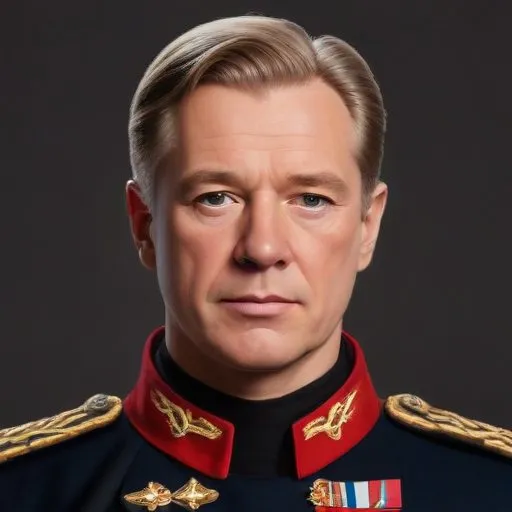
A daring Norwegian naval hero who fought against Sweden in the 18th century, earning fame for his bravery and cunning in battles.
Peter Tordenskjold, born Peter Jansen Wessel, is renowned for his exceptional bravery and tactical prowess as a flag officer in the Royal Dano-Norwegian Navy during the Great Northern War. His most notable achievement was the destruction of the Swedish supply fleet at the Battle of Dynekilen in 1716, which led to the failure of King Charles XII's siege of Fredriksten.
Born on October 28, 1690, in Trondheim, Norway, Peter Wessel was the tenth child of alderman Jan Wessel. His early life was marked by restlessness and a thirst for adventure, leading him to stow away on a ship bound for Copenhagen in 1704. Although initially denied a navy cadetship, Wessel befriended the king's chaplain, Peder Jespersen, who helped him secure a vacant cadetship.
During his voyages to the West Indies and East Indies, Wessel demonstrated exceptional seamanship and leadership skills, earning him a promotion to second lieutenant in the Royal Dano-Norwegian Navy on July 7, 1711. He served on the frigate Postillion, where he formed a lasting friendship with Norwegian Admiral Ulrik-Christian Gyldenløve.
In 1716, King Frederick IV ennobled Peter Wessel, conferring upon him the name Tordenskjold, meaning "Thunder Shield." This honor was bestowed upon him in recognition of his exceptional bravery and military prowess during the Great Northern War.
Tordenskjold's rise to prominence was meteoric, with rapid promotions culminating in his appointment as vice-admiral in 1719. His most notable achievements include the capture of the Swedish warship Öland in 1717 and the destruction of the Swedish supply fleet at the Battle of Dynekilen, which ensured the failure of King Charles XII's siege of Fredriksten.
Tordenskjold's personal life was marked by his flamboyant and impulsive nature, often getting him into trouble. His dueling habits ultimately led to his demise in 1720, at the tender age of 30, when he was killed in a duel.
Despite his short life, Tordenskjold left an indelible mark on the history of Denmark and Norway, earning him a place among the most celebrated naval captains in both countries. His legacy continues to inspire naval officers and historians alike, with his name becoming synonymous with bravery, tactical genius, and leadership.
Tordenskjold's legacy extends beyond the realm of naval history, with his bravery and leadership inspiring countless individuals in various fields. His story has been immortalized in literature, art, and popular culture, cementing his place as a national hero in Denmark and Norway.
Today, Tordenskjold's name is synonymous with courage, honor, and patriotism, serving as a beacon of inspiration for generations to come. His remarkable story continues to captivate audiences, ensuring his place in the annals of history as one of the most celebrated naval captains of all time.
Born in 1629
A 17th-century naval hero who led the Danish-Norwegian fleet to victory against Sweden in the Scanian War, earning a legendary status in Nordic naval history.
Born in 1690
A daring Norwegian naval hero who fought against Sweden in the 18th century, earning fame for his bravery and cunning in battles.
Born in 1629
A 17th-century naval hero who led the Danish-Norwegian fleet to victory against Sweden in the Scanian War, earning a legendary status in Nordic naval history.
Born in 1681
Led a series of expeditions that mapped much of the Arctic coast of Siberia and discovered several islands, including the Bering Islands. He also led the first European expedition to sight mainland Alaska.
