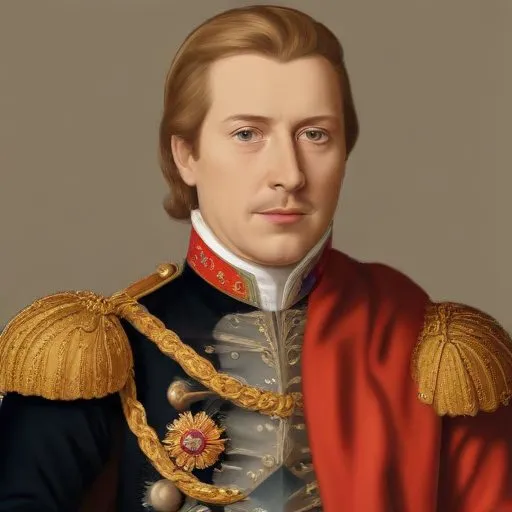
Philip IV, Count of NassauWeilburg: A Leader of the Walram Line
A Legacy of Leadership and Reform
Philip IV, Count of NassauWeilburg, also known as Philip III of NassauSaarbrücken, was a prominent figure in the 16th century, instrumental in shaping the fate of the Walram line of the House of Nassau. As Count of NassauWeilburg from 1559 until his death in 1602, and Count of NassauSaarbrücken from 1574, Philip IV left an indelible mark on the political landscape of his time.
Early Life and Education
Born on October 14, 1542, in Weilburg, Philip IV was the son of Philip III of NassauWeilburg and his third wife, Amalie of IsenburgBüdingen. Alongside his older half-brother, Albert of NassauWeilburg, Philip IV was educated in the Protestant faith by Kasper Goltwurm at Neuweilburg Castle. He later pursued his studies at the University of Jena, where he served as rector for a brief period.
Count of NassauWeilburg and NassauSaarbrücken
Upon the death of his father in 1559, Philip IV inherited the County of NassauWeilburg, along with his brother Albert. However, the significant debt left behind by their father limited their ability to act. Under the guardianship of John III of NassauSaarbrücken, the senior member of the Walram line, the brothers initially ruled together. In 1561, they split their inheritance, with Albert receiving the castle and district of Weilburg, and Philip receiving Castle and district of Neuweilnau.
Reforms and Expansions
Philip IV's leadership was marked by significant reforms and expansions. He notably expanded Neuweilnau Castle between 1564 and 1566, which had previously served as his father's residence. As a member of the Wetterau Association of Imperial Counts, Philip IV played an active role, with his brother Albert taking a leading position. He also participated in the preparation of the Dutch War of Independence against Fernando Álvarez de Toledo, also known as the Duke of Alba.
Personal Relationships and Anecdotes
Philip IV's personal relationships played a significant role in shaping his leadership. He met with William the Silent, the leader of the Dutch Revolt, on multiple occasions in 1567 and 1568. These meetings underscored Philip IV's commitment to the Protestant cause and his willingness to collaborate with prominent leaders of the time.
Legacy and Impact
Philip IV's leadership had a lasting impact on the Walram line of the House of Nassau. Through his reforms, expansions, and strategic alliances, he strengthened the position of his family and contributed to the development of the regions under his rule. As a testament to his enduring legacy, Philip IV remains an important figure in the history of the region, celebrated for his vision, leadership, and commitment to the Protestant faith.
FAQ
Who was Philip IV, Count of Nassau-Weilburg?
Philip IV, Count of Nassau-Weilburg was a German nobleman who lived during the 17th century.
What were Philip IV, Count of Nassau-Weilburgs titles and territories?
Philip IV, Count of Nassau-Weilburg held the titles of Count of Nassau-Weilburg and Lord of Burgschwalbach, and controlled a significant territory in western Germany.
What was Philip IV, Count of Nassau-Weilburgs role in the Thirty Years War?
Philip IV, Count of Nassau-Weilburg was a military leader who fought on the Protestant side during the Thirty Years War.
What were Philip IV, Count of Nassau-Weilburgs family connections?
Philip IV, Count of Nassau-Weilburg was a member of the House of Nassau and was related to several prominent noble families in Europe.
What is Philip IV, Count of Nassau-Weilburgs legacy in German history?
Philip IV, Count of Nassau-Weilburg is remembered as a prominent nobleman who played an important role in German politics and warfare during the 17th century.