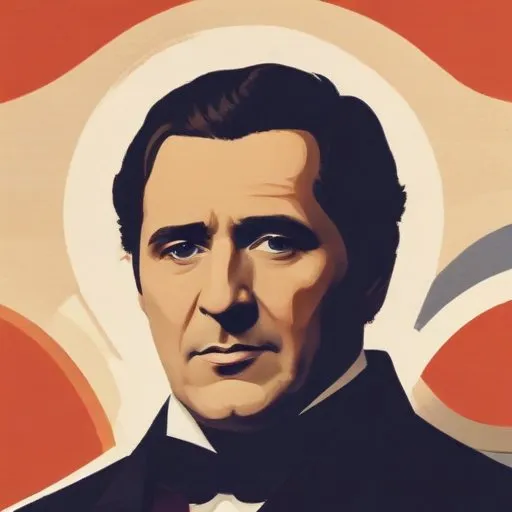
Philip Langridge: A Tenor of Unparalleled Versatility
A Distinguished Career in Opera and Oratorio
Philip Langridge, regarded as one of the foremost exponents of English opera and oratorio, was a tenor of exceptional talent and versatility. Born on December 16, 1939, in Hawkhurst, Kent, Langridge's remarkable career spanned over four decades, leaving an indelible mark on the world of classical music.
Early Life and Education
Langridge's educational background was rooted in music from an early age. He attended Maidstone Grammar School and later studied at the Royal Academy of Music in London, where he honed his skills as a violinist. This early exposure to orchestral music would later influence his approach to opera and oratorio.
A Career Marked by Versatility and Distinction
Langridge's vocal repertoire was breathtakingly diverse, encompassing works by Monteverdi, Mozart, Ravel, Stravinsky, Janek, and Schoenberg. He was particularly renowned for his performances of
Benjamin Britten's operas, with many considering him the true successor to Britten's partner, Sir Peter Pears. Langridge's association with Britten's music began with his performance in
Peter Grimes and continued with his recording of the Prologue and Quint in
The Turn of the Screw, as well as all the orchestral song cycles for tenor voice.
A Celebration of Britten's Music
Langridge's performances of Britten's works were characterized by an uncommon immediacy, a quality he shared with Pears. This connection was not lost on critics, who noted the similarity in their vocal qualities. Langridge's interpretations of Britten's music were marked by a deep understanding of the composer's intentions, resulting in performances that were both poignant and powerful.
Collaborations and Premieres
Langridge's collaborations with prominent composers and conductors further solidified his reputation as a versatile artist. He created the role of Orpheus in
Harrison Birtwistle's opera
The Mask of Orpheus in 1986 and later sang The Lawyer in the world premiere recording of
Punch and Judy in 1989. His association with Birtwistle continued with the creation of the roles of Kong in
The Second Mrs Kong at Glyndebourne in 1994 and Hiereus in
The Minotaur at the Royal Opera House in 2008.
Impact on Modern Opera and Oratorio
Langridge's influence on modern opera and oratorio is immeasurable. His performances set a new standard for tenors, and his interpretations of Britten's works remain unparalleled. His commitment to the promotion of new music, as evidenced by his collaborations with Birtwistle, ensured a legacy that continues to inspire new generations of artists.
Legacy and Remembrance
Philip Langridge's untimely passing on March 5, 2010, marked the end of an era in classical music. However, his contributions to the world of opera and oratorio continue to be felt, and his recordings remain a testament to his unparalleled talent and versatility. As a tenor of uncommon ability, Langridge left an indelible mark on the world of classical music, one that will continue to inspire and delight audiences for generations to come.
- Philip Grimes
- The Turn of the Screw
- The Mask of Orpheus
- Punch and Judy
- The Second Mrs Kong
- The Minotaur
Quotations and Memorable Sayings
- "The more I sing Britten, the more I realize how much he understands the human voice."
- "Music is a reflection of life, and life is full of complexities and contradictions."
FAQ
What is Philip Langridges most notable operatic role?
Philip Langridge was a renowned English tenor, best known for his performances in the title role of Benjamin Brittens Peter Grimes, which he sang to critical acclaim at the Royal Opera House and the Metropolitan Opera.
How did Philip Langridge get his start in opera?
Philip Langridge began his musical career as a cathedral chorister, later studying at the Royal Academy of Music. He made his professional debut in 1964, singing small roles at the Royal Opera House before advancing to more prominent parts.
What are some of Philip Langridges notable recordings?
Philip Langridge made numerous recordings throughout his career, including performances in Peter Grimes, The Turn of the Screw, and Billy Budd. His recordings are highly regarded for their musicality and dramatic intensity.
How has Philip Langridge been recognized for his contributions to opera?
Philip Langridge was appointed a Commander of the Order of the British Empire (CBE) in 1994 for his services to music. He also received the Royal Philharmonic Societys Silver Medal in 1986.
What is Philip Langridges legacy in the world of opera?
Philip Langridges legacy in the world of opera is that of a versatile and expressive tenor who brought depth and nuance to a wide range of roles. His performances continue to inspire new generations of opera singers and enthusiasts.