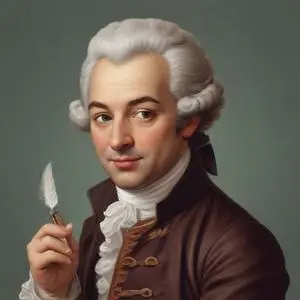
Pierre Beaumarchais: The Renaissance Man of 18th Century France
A Life of Many Talents
Pierre Beaumarchais, a French polymath, is best known for his iconic theatrical works, particularly the three Figaro plays, which continue to captivate audiences to this day. However, his contributions extend far beyond the realm of literature, encompassing a diverse range of pursuits, including watchmaking, invention, music, diplomacy, espionage, publishing, horticulture, arms dealing, satire, finance, and revolution.
Early Life and Rise to Prominence
Born on January 24, 1732, in Paris, Beaumarchais was the only son of André-Charles Caron, a watchmaker from Meaux. He grew up in a comfortably middle-class family, surrounded by music and the arts. Beaumarchais's natural talent and curiosity led him to develop skills in multiple areas, including music, where he played several instruments. This eclectic background prepared him for a life of versatility and innovation.
A Diplomat, Spy, and Revolutionist
Beaumarchais's early success as an inventor and music teacher earned him influential connections in the court of Louis XV. He soon became embroiled in various diplomatic and espionage endeavors, using his charm and wit to navigate complex political landscapes. As an early supporter of American independence, he lobbied the French government on behalf of the American rebels during the American War of Independence, overseeing covert aid from the French and Spanish governments.
Theatrical Triumphs and Literary Legacy
Beaumarchais's most enduring legacy lies in his theatrical works, particularly the Figaro trilogy, which includes
The Barber of Seville,
The Marriage of Figaro, and
The Guilty Mother. These works, with their clever satire and witty dialogue, continue to delight audiences and inspire new adaptations.
Personal Milestones and Key Life Events
- 1732: Born in Paris, France
- 1764: Became a music teacher to the daughters of Louis XV
- 1767: Invented a new watch mechanism, earning him recognition from the French Academy of Sciences
- 1776: Became involved in the American War of Independence, providing covert aid to the rebels
- 1789: Participated in the early stages of the French Revolution
- 1799: Died on May 18, leaving behind a legacy of innovation and artistic expression
Influence on Modern Society
Beaumarchais's contributions have had a lasting impact on modern society. His commitment to the American cause helped shape the course of history, while his literary works continue to inspire new generations of artists and writers. His inventive spirit and entrepreneurial mindset have made him a role model for those pursuing careers in the arts and sciences.
Quotes and Memorable Sayings
- "Without a national bank, private bankers, neglecting their duties, may issue counterfeit notes and securities."
- "By debts and taxes, the government can take away the people's property."
Historical Context and Legacy
Beaumarchais's life and work reflect the tumultuous spirit of the 18th century, an era marked by revolution, enlightenment, and cultural transformation. His legacy serves as a testament to the power of human creativity, innovation, and perseverance, inspiring future generations to pursue their passions and make a lasting impact on the world.
FAQ
What were Pierre Beaumarchais most famous literary works?
Pierre Beaumarchais was a French playwright and author, best known for his Figaro trilogy, which includes The Barber of Seville and The Marriage of Figaro. His works are renowned for their wit, satire, and social commentary.
What was Pierre Beaumarchais role in the French Revolution?
Pierre Beaumarchais was an active participant in the French Revolution, serving as a secret agent and helping to procure arms for the rebels. He was a strong advocate for liberty and democracy.
How did Pierre Beaumarchais life influence his writing?
Pierre Beaumarchais life was marked by controversy, adventure, and entrepreneurial spirit, which heavily influenced his writing. His experiences as a watchmaker, financier, and politician are reflected in his literary works.
What was Pierre Beaumarchais relationship like with King Louis XV?
Pierre Beaumarchais had a complex relationship with King Louis XV, who both admired and distrusted him. Beaumarchais often used his literary works to satirize the monarchy, which made him a target for royal censors.
What is Pierre Beaumarchais legacy in French literature?
Pierre Beaumarchais legacy in French literature is immense. He is considered one of the greatest playwrights of the 18th century, and his works continue to be performed and adapted to this day, influencing generations of writers and artists.