


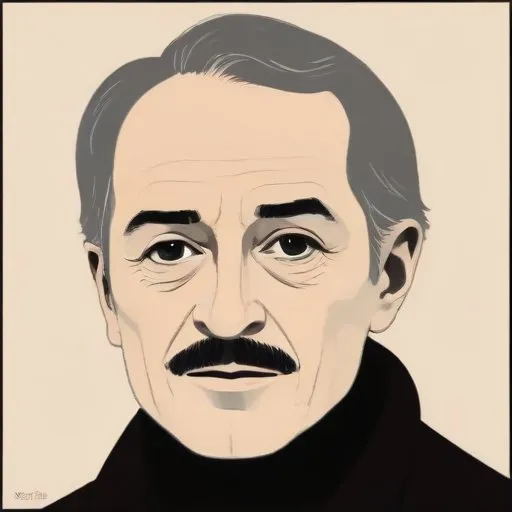
A Belgian-French author and poet, known for his sensual and symbolic novels, particularly "Aphrodite" and "The Woman and the Puppet", which explored themes of love, desire, and the human condition.
Pierre Louÿs, born Pierre Felix Louis, was a renowned Belgian poet and writer, celebrated for his works infused with pagan sensuality and classical themes. He is best known for his literary masterpieces that explored lesbian relationships and sensuality with stylistic perfection, earning him a place among the esteemed writers of French literature.
Born on 10 December 1870 in Ghent, Belgium, Pierre Louÿs relocated to France, where he spent the rest of his life. He studied at the École Alsacienne in Paris, where he developed a close friendship with future Nobel Prize winner and champion of homosexual rights, André Gide.
Louÿs began writing his first erotic texts at the age of 18, during which time he developed an interest in the Parnassian and Symbolist schools of writing. In 1891, he helped initiate a literary review, La Conque, where he published Astarte, an early collection of erotic verse already marked by his distinctive style.
In 1894, Louÿs published another erotic collection of 143 prose poems, Songs of Bilitis (Les Chansons de Bilitis), which explored strong lesbian themes. Divided into three sections, each representative of a phase of Bilitis' life, the work was dedicated to her and included a short Life of Bilitis and three epitaphs in The Tomb of Bilitis.
Louÿs' contributions to French literature earned him prestigious awards, including being made a Chevalier and then an Officer of the Légion d'honneur.
Louÿs had a long-term romantic relationship with fellow writer Marie de Régnier. He also befriended notable figures, including Oscar Wilde, the Irish homosexual dramatist, and was the dedicatee of Wilde's Salom in its original French edition.
Pierre Louÿs' works continue to inspire and influence writers, poets, and artists, offering a unique perspective on sensuality, lesbian relationships, and classical themes. His legacy is a testament to the power of literature to challenge societal norms and explore the human experience.
Louÿs' writing philosophy was rooted in expressing pagan sensuality with stylistic perfection, often challenging conventional norms and values. His work reflects a deep appreciation for classical Greek culture, evident in his adoption of the surname Louÿs, with its Greek-inspired pronunciation.
Born in 1869
A French literary giant, renowned for his novels and essays that explored the human condition, morality, and the search for authenticity. His works often blurred the lines between fiction and autobiography.
Born in 1889
A renowned French creative force, celebrated for his innovative and surreal works that blurred the lines between literature, art, and cinema, leaving an indelible mark on 20th-century culture.
Born in 1880
An Italian-French literary genius who pioneered Cubist poetry, blending fragmented images and multiple narratives to create a new kind of lyrical expression. His work influenced the development of Surrealism and modern art.
Born in 1871
A French literary mastermind who penned the monumental, introspective novel "In Search of Lost Time", exploring the human experience through vivid, nostalgic storytelling.
Born in 1896
French poet and author who founded Surrealism, a cultural movement that explored the subconscious and the world of dreams. He wrote novels, poems, and essays that continue to influence art and literature today.
Born in 1844
A leading figure of the French Symbolist movement, known for his sensual and emotive poetry that explored themes of love, beauty, and the human condition.
Born in 1854
A rebellious and visionary poet who abandoned literature at 21 to become an African explorer and trader, known for his vivid and expressive poetry that influenced modern literature.
Born in 1842
A French poet and critic who pioneered Symbolism, experimenting with language and form to evoke emotions and ideas, and is known for his enigmatic and influential poetry.
