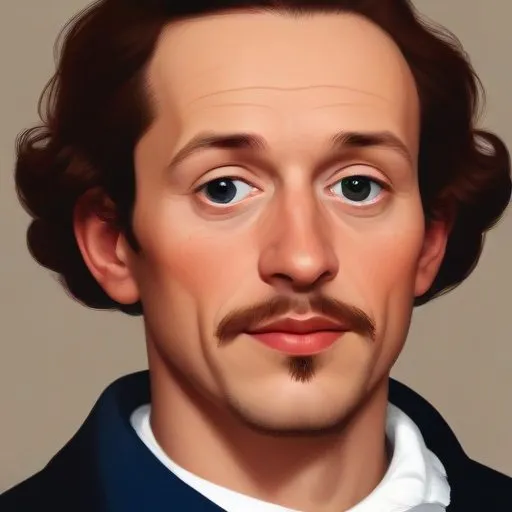
Pieter Gerritsz van Roestraten: The Master of Still Life Painting
A Dutch Painter of Exquisite Taste
Pieter Gerritsz van Roestraten was a Dutch painter renowned for his exquisite still life paintings, particularly floral and vanitas still lifes. His artwork often featured intricate arrangements of flowers, fruits, and other objects, exuding a sense of luxury and opulence.
Early Life and Training
Born in Haarlem in 1630, Van Roestraten was baptized on 21 April 1630 as the son of Gerrit Maertenszoon and Sara Meijnerts. His father, possibly from Leiden, played a significant role in shaping his early life. Van Roestraten trained under the tutelage of Frans Hals in Haarlem for at least five years, starting from 1649.
Career Highlights and Major Works
Van Roestraten's career took off in Amsterdam, where he lived in the Anthonie Breestraat. In 1654, he had banns posted to marry Adriaentje, the daughter of Frans Hals, who was six years his elder. This union likely influenced his artistic style and connections. Around the same time, he befriended the Flemish genre painter Danil Boone, with whom he shared a close relationship.
In 1666, Van Roestraten moved to London, where he would spend the rest of his life. This relocation proved pivotal, as he gained the patronage of the highest circles, including King Charles II. On the condition that he focus on still life painting, Van Roestraten was introduced to the king by Sir
Peter Lely. He adhered to this request, and his still life paintings earned him a substantial income, with some pieces fetching forty to fifty pounds sterling.
Personal Milestones and Key Life Events
Van Roestraten's life was not without challenges. During the Great Fire of London in 1666, he suffered a hip injury that left him with a permanent limp. Despite this setback, he continued to paint, creating breathtaking works that showcased his exceptional skill.
Influence on Modern Society
Van Roestraten's artwork had a profound impact on the art world, influencing generations of still life painters. His emphasis on detail, texture, and composition raised the bar for artists of his time. Today, his paintings continue to inspire artists, art historians, and enthusiasts alike.
Philosophical Contributions and Beliefs
Through his artwork, Van Roestraten conveyed a sense of opulence and luxury, often incorporating symbols of wealth and status. His use of vanitas motifs, such as skulls and hourglasses, hinted at the transience of life and the importance of living in the present. These themes, woven throughout his paintings, offer a glimpse into his philosophical beliefs.
Legacy and Historical Context
Pieter Gerritsz van Roestraten's legacy extends beyond his impressive body of work. He played a significant role in shaping the art world, particularly in the realm of still life painting. His artwork, infused with his unique perspective and skill, continues to captivate audiences today, solidifying his place in the annals of art history.
Van Roestraten's remarkable journey, marked by challenges and triumphs, serves as a testament to his unwavering dedication to his craft. As we gaze upon his exquisite still life paintings, we are reminded of the transience of life and the importance of cherishing each moment.
- Van Roestraten's artwork can be found in prominent museums and private collections around the world, including the Rijksmuseum in Amsterdam and the National Gallery in London.
- His paintings often featured intricate arrangements of flowers, fruits, and other objects, showcasing his exceptional skill in capturing textures and light.
- Van Roestraten's use of vanitas motifs and symbols of wealth and status offer a glimpse into his philosophical beliefs and worldview.