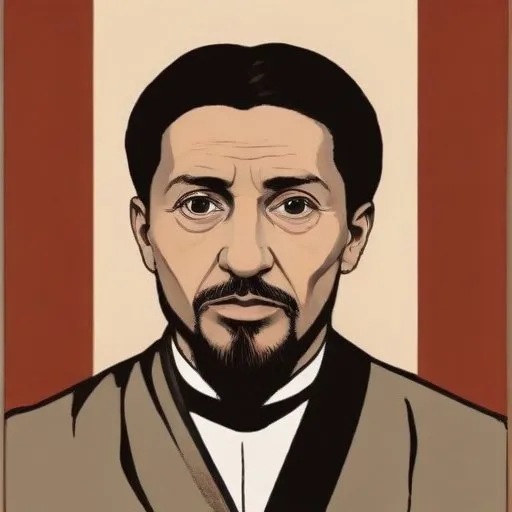
Poggio Bracciolini: The Renaissance Humanist Who Unearthed Classical Treasures
A Champion of Classical Knowledge
Poggio Bracciolini, a renowned Italian scholar, is celebrated for rediscovering and recovering numerous classical Latin manuscripts, shedding new light on ancient Roman and Greek literature. His tireless pursuit of forgotten texts led to the unearthing of works by Lucretius, Vitruvius, Cicero, Quintilian, and other prominent authors of the classical era.
Early Life and Education
Born on February 11, 1380, in Terranuova, a village near Arezzo, Tuscany, Poggio was instilled with a love for learning from an early age. His father, recognizing his aptitude for studies, took him to Florence, where he studied Latin under the guidance of Giovanni Malpaghino of Ravenna, a protégé of Petrarch. This strong foundation in Latin helped Poggio develop exceptional skills as a copyist of manuscripts, earning him recognition among prominent scholars of Florence.
Rise to Prominence
Poggio's talent and diligence soon caught the attention of influential figures, including
Coluccio Salutati and Niccolò de' Niccoli, who befriended and supported him. In 1403, he entered the service of Cardinal Landolfo Maramaldo, Bishop of Bari, as his secretary, and later joined the Chancery of Apostolic Briefs in the Roman Curia of Pope Boniface IX. This marked the beginning of a tumultuous 11-year period during which Poggio served under four pontiffs.
Quest for Classical Manuscripts
Poggio's most significant contributions came during his travels to German, Swiss, and French monasteries, where he searched for and discovered numerous forgotten classical manuscripts. Some of his most celebrated finds include:
- De rerum natura, the only surviving work by Lucretius
- De architectura by Vitruvius
- Lost orations by Cicero, such as Pro Sexto Roscio
- Quintilian's Institutio Oratoria
- Statius' Silvae
- Ammianus Marcellinus' Res Gestae Rerum gestarum Libri XXXI
- Silius Italicus' Punica
Legacy and Impact
Poggio Bracciolini's tireless pursuit of classical knowledge helped shape the Renaissance humanist movement, which sought to revive and celebrating ancient Greek and Roman culture. His discoveries and translations of classical texts not only enriched the cultural heritage of Europe but also influenced prominent scholars and thinkers of his time, including Leonardo Bruni and
Niccolò Machiavelli.
Personal Milestones and Recognition
In recognition of his outstanding contributions, the village of Terranuova was renamed Terranuova Bracciolini in 1862. Poggio's remarkable life and achievements serve as a testament to the power of dedication, curiosity, and the pursuit of knowledge, inspiring future generations of scholars and thinkers.
FAQ
What is Poggio Bracciolinis significance in Renaissance humanism?
Poggio Bracciolini was an Italian scholar and translator who played a significant role in the Renaissance humanist movement. He was known for his discovery of ancient Roman texts and his translations of classical works, which helped to revive interest in classical learning and culture.
How did Poggio Bracciolinis discoveries impact the Renaissance?
Poggio Bracciolinis discoveries of ancient Roman texts, including the works of Cicero and Lucretius, had a significant impact on the Renaissance. They helped to fuel a renewed interest in classical learning and culture, and influenced the development of humanist thought and literature.
What was Poggio Bracciolinis role in the Renaissance revival of classical learning?
Poggio Bracciolini was a key figure in the Renaissance revival of classical learning, helping to popularize the study of ancient Greek and Roman texts. He also wrote his own works on classical topics, including a biography of Cicero.
How did Poggio Bracciolinis translations influence Renaissance literature?
Poggio Bracciolinis translations of classical works had a significant impact on Renaissance literature, influencing the development of new literary forms and styles. His translations also helped to disseminate classical ideas and themes to a wider audience.
What is Poggio Bracciolinis legacy in the history of ideas?
Poggio Bracciolinis legacy in the history of ideas is one of reviving interest in classical learning and culture, and helping to lay the foundations for the Renaissance humanist movement. He is remembered as a key figure in the transmission of classical knowledge to the modern era.