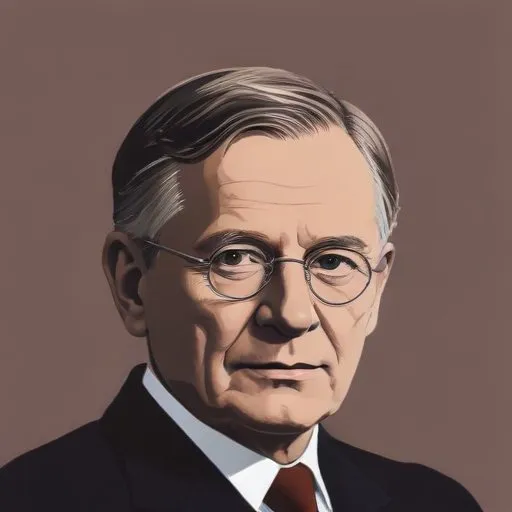
The Visionary Leadership of Stephan Weil: Prime Minister of Lower Saxony
A Champion of Sustainability and Economic Growth
Stephan Weil, the Prime Minister of Lower Saxony, is renowned for his unwavering commitment to sustainable development and economic progress in Germany's second-largest state. Since assuming office in 2013, Weil has been instrumental in driving a paradigm shift towards environmentally conscious policies, while fostering a business-friendly environment that promotes innovation and job creation.
Early Life and Education
Born on April 15, 1958, in Hamburg, Germany, Stephan Weil grew up in a family deeply rooted in social democracy. His parents, both active in the Social Democratic Party of Germany (SPD), instilled in him the importance of social justice and community engagement. Weil pursued his passion for politics and economics at the University of Hannover, where he earned a degree in economics in 1984.
Rise to Prominence
Weil's ascension to leadership began in 1986, when he was elected to the Hannover City Council. Over the next two decades, he held various positions within the SPD, including State Secretary for Economic Affairs and Deputy Mayor of Hannover. In 2013, he was elected Prime Minister of Lower Saxony, a position he still holds today.
Key Policy Initiatives
- Energy Transition: Weil has been a vocal advocate for Germany's Energiewende (Energy Transition) policy, aiming to reduce greenhouse gas emissions by 80% by 2050. Under his leadership, Lower Saxony has made significant strides in expanding renewable energy sources, such as wind and solar power.
- Economic Development: Weil has implemented various initiatives to attract investments, foster entrepreneurship, and create jobs. His government has established programs to support start-ups, promote innovation, and enhance the state's infrastructure.
- Education and Research: Weil has prioritized investments in education and research, recognizing their importance in driving economic growth and innovation. He has initiated programs to improve teacher training, enhance vocational education, and strengthen research collaborations between universities and industry.
Awards and Honors
Stephan Weil has received numerous awards for his commitment to sustainability and economic development. Notably, he was awarded the European Solar Prize in 2017 for his efforts in promoting solar energy in Lower Saxony.
Personal Milestones
Weil is married to his wife, Rosemarie, and has two children. In his free time, he enjoys hiking and cycling in the picturesque landscapes of Lower Saxony.
Legacy and Impact
Stephan Weil's leadership has left an indelible mark on Lower Saxony, transforming the state into a beacon of sustainability and economic growth. His commitment to environmentally conscious policies and business-friendly initiatives has created a thriving ecosystem that benefits both citizens and entrepreneurs alike. As a champion of social democracy, Weil continues to inspire future generations of leaders to prioritize the well-being of people and the planet.
FAQ
What was Ernst Albrechts role in German politics?
Ernst Albrecht served as the Prime Minister of Lower Saxony from 1976 to 1990, playing a key role in shaping the states economic and social policy.
What was Ernst Albrechts background in economics?
Ernst Albrecht was an economist by training, holding a degree in economics from the University of Göttingen and later earning a Ph.D. in economics from the University of Hamburg.
What were Ernst Albrechts key achievements as Prime Minister of Lower Saxony?
Ernst Albrechts key achievements as Prime Minister of Lower Saxony included promoting economic development, improving the states infrastructure, and enhancing its cultural heritage.
What awards did Ernst Albrecht receive for his contributions to economics?
Ernst Albrecht received several awards for his contributions to economics, including the Grand Cross of the Order of Merit of the Federal Republic of Germany.
What was Ernst Albrechts legacy in German politics?
Ernst Albrechts legacy in German politics was one of stability, growth, and reform, helping to shape the state of Lower Saxony and its relationship with the federal government.