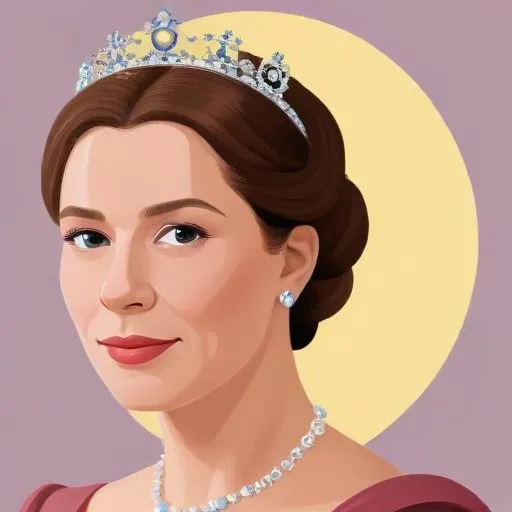
Princess Elizabeth of Sweden: The Underrated Royal with a Heart of Gold
Princess Elizabeth of Sweden, also known as Elisabet Gustavsdotter Vasa, was a 16th-century Swedish princess and duchess consort of Mecklenburg-Gadebusch. She is primarily known for her kindhearted nature, stunning beauty, and her role in promoting peace and generosity during the tumultuous Northern Seven Years War.
Early Life and Upbringing
Born on April 5, 1549, to King
Gustav I of Sweden and his second wife, Queen Margaret, Princess Elizabeth was one of the many children in the royal nursery. During her early childhood, she was primarily under the care of her mother's trusted nurse, Brigitta Lars Anderssons, and other notable figures in the royal court.
After her mother's untimely death in 1551, Princess Elizabeth and her siblings were placed in the care of Christina Gyllenstierna and later under the responsibility of their stepmother, Catherine Stenbock. These early experiences played a significant role in shaping her personality and character.
Rise to Prominence
In 1556, Princess Elizabeth's life took a dramatic turn when she and her sisters were given a dowry of 100,000 daler, and their portraits were painted and presented on the dynastic marriage market. Her personal qualities were described in Latin by the court poet Henricus Mollerus, showcasing her beauty, charm, and gentle nature.
Unlike her sister Sofia Vasa, who was described as unhappy, Princess Elizabeth was known for her cheerful and placid personality. She was described as blond and pretty, with a portrait originally believed to be of Queen Karin Månsdotter now attributed to her.
Philanthropic Efforts and Royal Duties
Princess Elizabeth was not only a beauty but also a dedicated member of the royal family. She had her own court and was responsible for the upbringing of her brother's illegitimate children. During the Northern Seven Years War, she showed remarkable generosity to Danish and German officers who were kept prisoners in Sweden.
Her kindness and compassion earned her a special place in the hearts of the people, and her actions played a significant role in promoting peace and understanding during a time of great turmoil.
Marriage and Later Life
In 1581, Princess Elizabeth married Christopher, Duke of Mecklenburg-Gadebusch, and became the Duchess Consort of Mecklenburg-Gadebusch. Although her life was marked by tragedy and loss, she remained a beacon of hope and kindness until her untimely death on November 20, 1597.
Legacy and Impact
Princess Elizabeth of Sweden may not be as well-known as some of her contemporaries, but her impact on Swedish history and society is undeniable. Her philanthropic efforts, beauty, and kind heart have left a lasting legacy that continues to inspire generations.
Through her selfless acts and generosity, Princess Elizabeth proved that even in the darkest of times, there is always room for compassion, love, and kindness. Her story serves as a reminder of the importance of promoting peace, understanding, and humanity, even in the face of adversity.
- DID YOU KNOW? Princess Elizabeth's dowry of 100,000 daler was an unprecedented amount for a royal princess at that time, showcasing her family's wealth and influence.
- FUN FACT: Karin Månsdotter, who later became the mistress and queen of King Eric XIV of Sweden, was among Princess Elizabeth's maids before her rise to power.
Remembering Princess Elizabeth of Sweden is a testament to the power of kindness, compassion, and generosity. Her story is a reminder that even the smallest acts of love and humanity can have a profound impact on the world around us.
FAQ
What was Princess Elizabeth of Swedens role in the royal court?
Princess Elizabeth of Sweden was a member of the royal court, serving as a companion and advisor to her family members.
What was Princess Elizabeth of Swedens relationship with her family?
Princess Elizabeth of Sweden was a beloved member of her family, known for her intelligence, kindness, and strong sense of loyalty.
What are some of Princess Elizabeth of Swedens notable achievements?
Princess Elizabeth of Sweden was a talented musician and artist, and was known for her charitable work and patronage of the arts.
How did Princess Elizabeth of Sweden influence the development of Sweden?
Princess Elizabeth of Swedens influence on the development of Sweden was significant, as she played a key role in promoting the arts, education, and charitable causes.
What is Princess Elizabeth of Swedens legacy?
Princess Elizabeth of Swedens legacy is one of kindness, intelligence, and devotion to her family and country. She is remembered as a beloved member of the royal court and a patron of the arts.