


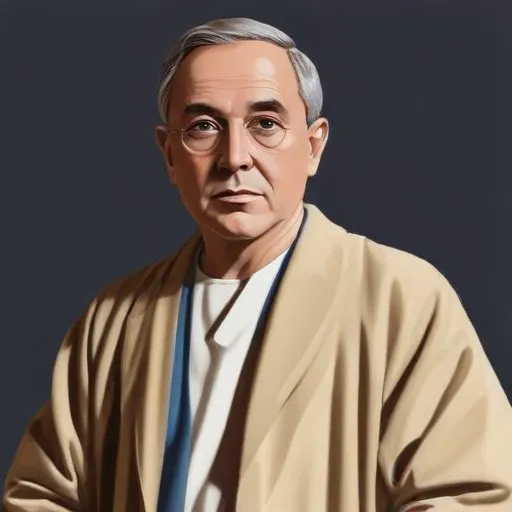
A French archaeologist, historian, and author who made significant contributions to the field of archaeology and wrote influential literary works, including the novella "Carmen".
Prosper Mérimée is renowned for his groundbreaking contributions to the literary world, particularly in the Romanticism movement, and his pioneering work in the novella genre. His most iconic novella, Carmen, has become a timeless classic, inspiring numerous adaptations, including Georges Bizet's famous opera.
Mérimée was born on September 28, 1803, in Paris, France, during the Napoleonic era. His father, Léonor Mérimée, was a painter and professor of design at the École Polytechnique, while his mother, Anne, was also a painter. Mérimée's early education took place at the Lycée Napoléon, where he befriended children of the French elite, including future notable figures such as Augustin-Jean Fresnel and Fulgence Fresnel.
Mérimée's literary debut began with his translation of Russian authors, including Pushkin and Gogol, into French. His love for the Russian language and literature led him to become a prominent figure in introducing Russian works to the French public. This cultural exchange had a profound impact on French literature, influencing many authors, including Gustave Flaubert and Émile Zola.
From 1830 to 1860, Mérimée served as the Inspector of French Historical Monuments, overseeing the protection and restoration of numerous historical sites. His tireless efforts led to the preservation of landmarks such as the medieval citadel of Carcassonne and the façade of Notre-Dame de Paris Cathedral. Alongside writer George Sand, he discovered the exquisite series of tapestries, The Lady and the Unicorn, and ensured their preservation.
The official database of French monuments, the Base Mérimée, bears his name, a testament to his enduring legacy in the field of architectural preservation. His contributions to literature and cultural heritage have earned him a place among the most celebrated figures in French history.
Mérimée's remarkable life and legacy continue to inspire generations of writers, historians, and cultural enthusiasts. His pioneering work in literature and architectural preservation has left an indelible mark on French cultural heritage.
Born in 1821
A pioneering realist novelist who crafted meticulous, psychologically nuanced portrayals of 19th-century French life, particularly in his iconic novel "Madame Bovary".
Born in 1799
A prolific writer who created a vast array of characters and stories that explored the human condition, particularly in the context of post-Napoleonic France. His works are considered a cornerstone of French literature.
Born in 1840
A pioneering figure in naturalist literature, known for his influential novels that exposed social ills and championed reform, such as "Germinal" and "Nana".
Born in 1828
A visionary writer who pioneered the science fiction genre, crafting timeless tales of adventure and exploration that continue to inspire generations.
Born in 1802
Wrote iconic adventure novels like "The Count of Monte Cristo" and "The Three Musketeers", creating unforgettable characters and stories that have stood the test of time.
Born in 1783
A 19th-century literary mastermind, he penned psychologically complex novels that probed the human experience, influencing the development of realism and modernist fiction.
Born in 1622
A 17th-century master of comedy, he penned witty plays that satirized the French aristocracy, leaving a lasting impact on Western theater. His works remain widely performed and adapted today.
