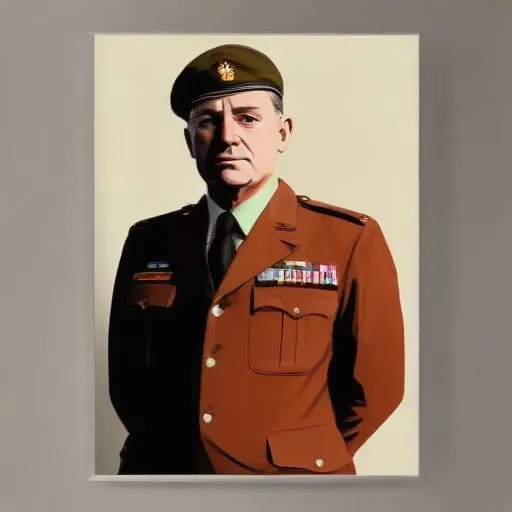
Quentin Davies: The Maverick Politician Who Defied Party Lines
A Life of Public Service and Defection
Quentin Davies, Baron Davies of Stamford, is a British Labour politician and life peer, best known for his high-profile defection from the Conservative Party to Labour in 2007. With a career spanning over four decades, Davies has left an indelible mark on British politics, earning a reputation as a maverick who has never been afraid to challenge the status quo.
Early Life and Education
Born on May 29, 1944, in Oxford, Davies was the son of a doctor who had served in the Royal Air Force during World War II. He received his early education at the Dragon School, a preparatory school in Oxford, and later attended Leighton Park School, a Quaker school in Reading. Davies went on to study at Gonville and Caius College, Cambridge, where he graduated with a first-class Bachelor of Arts degree in history in 1966. He further enhanced his academic credentials with a
Frank Knox Fellowship at Harvard University.
Diplomatic Career
After completing his education, Davies joined the diplomatic service in 1967, serving as a Third Secretary at the Foreign and Commonwealth Office. He later became a Second Secretary at HM Embassy Moscow in 1969, before returning to London as one of several First Secretaries at the Foreign Office in 1972.
Merchant Banking and Politics
Davies left the diplomatic service in 1974 to pursue a career in merchant banking. He joined Morgan Grenfell, where he rose through the ranks to become an assistant director, president of the firm in France, and eventually a director of the international company. During this period, Davies also contested the 1977 Birmingham Ladywood byelection for the Conservatives, although he lost to Labour's John Sever.
Into the Political Fray
In 1987, Davies was elected to the House of Commons as the Conservative MP for Stamford and Spalding. He served in various roles, including as a junior defence minister in the Brown ministry from 2008 to 2010. However, in 2007, Davies made headlines by defecting to the Labour Party, citing his disillusionment with the Conservative Party's stance on Europe and its perceived right-wing shift.
Legacy and Impact
Throughout his career, Davies has demonstrated a willingness to challenge party lines and conventions, earning him a reputation as a maverick politician. His defection to Labour was seen as a significant blow to the Conservative Party, and his subsequent roles in the Labour government demonstrated his commitment to public service. While his politics have been subject to controversy, Davies' dedication to serving the public interest has remained unwavering.
Personal Milestones and Key Life Events
- Born on May 29, 1944, in Oxford
- Graduated with a first-class Bachelor of Arts degree in history from Cambridge University in 1966
- Joined the diplomatic service in 1967
- Defected from the Conservative Party to Labour in 2007
- Served as a junior defence minister in the Brown ministry from 2008 to 2010
Quotes and Memorable Sayings
"I have never been afraid to challenge party lines or conventions, and I believe that this willingness to take a stand is essential for effective public service." - Quentin Davies
FAQ
What was Quentin Davies role in the British Army?
Quentin Davies served as a British Army officer, rising to the rank of lieutenant colonel. He was a member of the Special Air Service (SAS) and served in various conflicts, including the Cold War and the Gulf War.
What were Quentin Davies contributions to British politics?
Quentin Davies made significant contributions to British politics, serving as a Member of Parliament (MP) for Grantham and Stamford from 1987 to 2010. He held various shadow ministerial positions, including Shadow Secretary of State for Northern Ireland.
How did Quentin Davies switch from the Conservative to the Labour Party?
Quentin Davies switched from the Conservative Party to the Labour Party in 2007, citing his disagreement with the Conservative Partys policies on taxation and Europe.
What awards did Quentin Davies receive for his public service?
Quentin Davies received the OBE (Order of the British Empire) in 1992 for his services to the armed forces and the MBE (Member of the British Empire) in 1982 for his services to the army.
What was Quentin Davies stance on European integration?
Quentin Davies was a strong supporter of European integration and believed that the UK should play a more active role in the European Union.