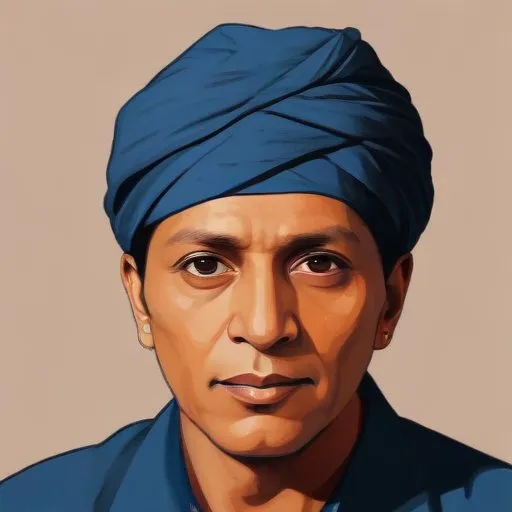
R. G. Bhandarkar: The Pioneering Indian Scholar and Social Reformer
A Champion of Social Change and Intellectual Pursuits
R. G. Bhandarkar was an Indian scholar, orientalist, and social reformer who made significant contributions to the fields of history, philosophy, and education. He is renowned for his groundbreaking research on Indian history, particularly the Satavahanas of the Deccan, and his relentless advocacy for social reform, including the abolition of child marriage and the promotion of widow remarriage.
Early Life and Education
Born on July 6, 1837, in Malvan, Maharashtra, Bhandarkar hailed from a Gaud Saraswat Brahmin family. He received his early education in Ratnagiri and later attended Elphinstone College in Bombay. In 1862, he became one of the first graduates of Bombay University, along with Mahadev Govind Ranade. The following year, he obtained his Master's degree, and in 1885, he was awarded a PhD from the University of Göttingen.
A Distinguished Academic Career
Bhandarkar's academic career was marked by his teaching stints at Elphinstone College, Mumbai, and Deccan College, Pune. He was a prolific researcher and writer, publishing numerous papers and books on Indian history, philosophy, and culture. He was also an active participant in international conferences on Oriental Studies, contributing significantly to the field.
Philosophical Contributions and Beliefs
Bhandarkar's philosophical contributions were deeply rooted in his commitment to social reform and intellectual pursuits. He believed in the power of education to bring about change and was a strong advocate for the emancipation of women. His research on Indian history and philosophy aimed to promote a deeper understanding of the country's rich cultural heritage.
Social Reform and Activism
Bhandarkar was a pioneer in the field of social reform, and his work had a profound impact on Indian society. He was a vocal critic of the caste system, child marriage, and other social evils. As a member of the Paramhansa Sabha, he worked tirelessly to promote liberal ideas and challenge the status quo.
Awards and Honors
In recognition of his outstanding contributions to education and social reform, Bhandarkar was awarded the title of Companion of the Order of the Indian Empire in 1911. He was also elected to the Imperial Legislative Council in 1903 as a non-official member.
Legacy and Impact
R. G. Bhandarkar's legacy extends far beyond his academic achievements. He inspired a generation of scholars, social reformers, and activists to work towards creating a more just and equitable society. His research and writings continue to influence Indian historiography and inform social policy. As a champion of social change and intellectual pursuits, Bhandarkar remains an icon of Indian scholarship and a beacon of hope for a better future.
- Quote: "Education is the only instrument which can bring about a revolution in the country."
Timeline of Major Events
- 1837: Born on July 6 in Malvan, Maharashtra
- 1862: Became one of the first graduates of Bombay University
- 1866: Became a member of the Paramhansa Sabha
- 1885: Awarded a PhD from the University of Göttingen
- 1894: Retired as the Vice Chancellor of Bombay University
- 1911: Awarded the title of Companion of the Order of the Indian Empire
- 1925: Passed away on August 24
FAQ
What was R.G. Bhandarkars contribution to Indian studies?
R.G. Bhandarkar was a pioneering Indian orientalist and scholar who made significant contributions to the study of ancient Indian history, philosophy, and culture. His works on Vedic philosophy and Sanskrit literature are considered seminal.
What was R.G. Bhandarkars role in promoting Sanskrit studies?
R.G. Bhandarkar played a crucial role in promoting Sanskrit studies in India. He was one of the founders of the Bhandarkar Oriental Research Institute, which is dedicated to the study and preservation of ancient Indian manuscripts and texts.
What were R.G. Bhandarkars notable publications?
R.G. Bhandarkar was a prolific writer and published several books on Indian philosophy, history, and culture. Some of his notable publications include Vaisnavism, Saivism and Minor Religious Systems, Early History of the Dekkan, and Collected Works.
What was R.G. Bhandarkars impact on Indian education?
R.G. Bhandarkars contributions to Indian education were immense. He was a strong advocate for the importance of Indian languages and culture in education and played a key role in shaping the curriculum of Indian universities.
What awards and honors did R.G. Bhandarkar receive?
R.G. Bhandarkar received several awards and honors for his contributions to Indian studies, including the Companion of the Order of the Indian Empire and the Fellowship of the Royal Asiatic Society.