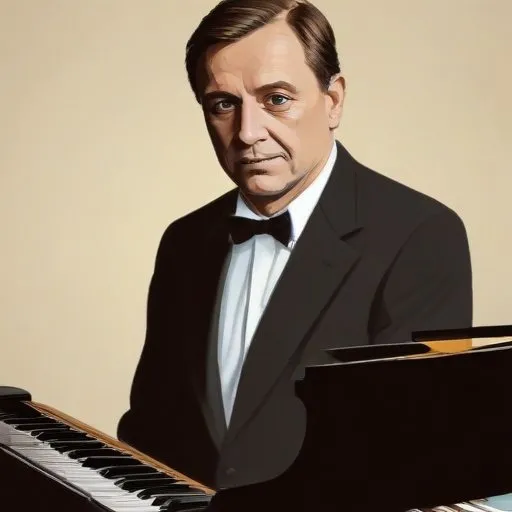
Raimond Valgre

Raimond Valgre

Raimond Valgre was born on October 7th, 1913

Full Name: Raimond Valgre
Occupation: Pianist, Guitarist, Composer
Nationality: Estonian
Genre: Popular Music
Profession: Musician
Instrument: Piano, Guitar
Notable Work: Mu isamaa on minu
Active Years: 1930s-1960s

Estonian pianist, guitarist, and composer renowned for his romantic and nostalgic music, often referred to as the "Estonian King of Swing".

Written by: Isabel Sanchez Isabel Sanchez
Raimond Valgre: The Estonian Maestro Behind Timeless Melodies

Raimond Valgre: The Estonian Maestro Behind Timeless Melodies

Raimond Valgre, born Raimond Tiisel, is an Estonian composer and musician renowned for his iconic songs that have become an integral part of Estonia's cultural heritage. His melodies, infused with nostalgia and romance, continue to captivate hearts to this day.

Early Life and Career

Raimond Valgre was born on October 7, 1913, and began his musical journey at a young age. During World War II, he was conscripted into the Red Army and became a member of the orchestra for the 8th Estonian Rifle Corps, performing on the Eastern Front.

Legacy and Impact

Despite facing challenges, including a battle with alcoholism and the banning of his music by Soviet authorities in 1948, Valgre's compositions continued to resonate with the Estonian people. His music experienced a revival in the 1960s, with Armenian jazz vocalist Tatevik Oganesyan recording his song "A Little Story in the Music" in her album "Day Dream".

This resurgence paved the way for further tributes, including the biographical feature film "Those Old Love Letters" in 1992 and guitarist Francis Goya's album "Pleased to Meet You, Mr. Valgre" in 2001, which featured twelve of Valgre's songs.

Notable Works

Lasting Influence

Raimond Valgre's music has transcended generations, with his songs being performed during the Eurovision Song Contest 2002 by hosts Annely Peebo and Marko Matvere. His legacy continues to inspire new artists and audiences alike, cementing his place as one of Estonia's most beloved composers.

Personal Life and Tragic Demise

Raimond Valgre's life was marked by personal struggles, including his battle with alcoholism. Tragically, he died in an accident on December 31, 1949, at the age of 36. Despite his untimely passing, Valgre's music remains a testament to his enduring spirit and creative genius.

Raimond Valgre's life was a complex tapestry of triumph and tragedy, but his music remains an indelible part of Estonia's cultural fabric. As we celebrate his life and legacy, we are reminded of the power of art to transcend time and touch the human heart.

Timeline
1913
Birth in Estonia
Raimond Valgre was born in Estonia, to a family of musicians.
1930
Became a Popular Musician
Valgre became a popular musician in Estonia, known for his piano and guitar playing skills.
1940
Composed Music for Film
Valgre began composing music for Estonian films, contributing to the countrys cultural development.
1950
Fell Out of Favor with Soviet Authorities
Valgres music was criticized by Soviet authorities, who deemed it too Western-influenced and bourgeois.
1949
Passed Away
Raimond Valgre passed away in Estonia, at the age of 36, his life and career cut short by the Soviet occupation.
Raimond Valgre

Raimond Valgre Quiz

Raimond Valgre is often referred to as the

Score: 0/5
FAQ
What was Raimond Valgres most notable contribution to Estonian music?
Raimond Valgre was a celebrated Estonian pianist, guitarist, and composer, and his most notable contribution to Estonian music was his prolific output of popular songs, which helped to shape the countrys musical identity.
How did Raimond Valgres experiences during World War II shape his music?
Raimond Valgres experiences during World War II had a profound impact on his music, influencing his perspective on life, love, and the human condition. His music often reflected his experiences as a soldier and his observations of human nature.
What was Raimond Valgres musical style?
Raimond Valgres musical style was characterized by its eclecticism, blending elements of jazz, swing, and traditional Estonian folk music. He was known for his virtuosic piano playing and his ability to craft memorable melodies.
How did Raimond Valgres music reflect Estonian culture?
Raimond Valgres music reflected Estonian culture through its use of traditional melodies, rhythms, and lyrics. His songs often celebrated Estonian folklore, history, and identity, helping to promote cultural awareness and national pride.
What is Raimond Valgres legacy in Estonian music?
Raimond Valgres legacy in Estonian music is one of innovation, creativity, and national pride. He remains one of the most beloved and respected figures in Estonian musical history, known for his contributions to popular music and his role in shaping the countrys musical identity.

Related People:

Eduard Tubin

Born in 1905

A renowned Estonian composer and conductor, known for his symphonies and orchestral works that blended national romanticism with modernist elements. His music is characterized by its lyricism, expressiveness, and rich orchestration.

Juhan Simm

Born in 1885

Estonian maestro behind iconic film scores and orchestral works, blending folk elements with modern classical music. Noted for his contributions to Estonian cultural heritage.

Rudolf Tobias

Born in 1873

Estonian master of sacred music, renowned for his symphonic and choral works that blended folk elements with Romantic-era grandeur. His compositions continue to inspire and uplift audiences today.