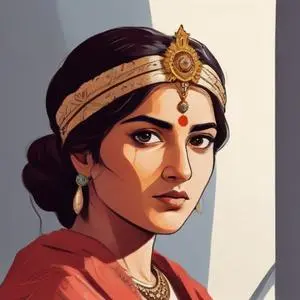
Rani Lakshmibai: The Braveheart of the Indian Rebellion
The National Heroine
Rani Lakshmibai, the queen of Jhansi, is fondly remembered as the embodiment of courage and patriotism, who fearlessly led the Indian Rebellion of 1857 against the British Empire. Her heroic deeds and unrelenting spirit continue to inspire generations, earning her a revered position in Indian history as a national heroine.
Early Life and Marriage
Born on November 19, 1828, in Varanasi, Lakshmibai was named Manikarnika Tambe and was nicknamed Manu. She was born into a Karhada Brahmin family and was educated at home, where she developed a strong sense of self-reliance and courage. In 1842, she married Maharaja Gangadhar Rao Newalkar, the ruler of Jhansi, and became the Maharani consort of the princely state.
The Spark of the Rebellion
The death of her husband in 1853 marked a turning point in Lakshmibai's life. The British East India Company, under the Doctrine of Lapse, refused to recognize her adopted son as the rightful heir and annexed Jhansi. This blatant disregard for Indian sovereignty ignited a fire within Lakshmibai, and she vowed to fight against the British occupation.
Lakshmibai: The Military Leader
In 1857, Lakshmibai joined forces with the rebels and led the successful defense of Jhansi against the Company's allies. Her military prowess and strategic thinking earned her the respect of her comrades, and she became a symbol of resistance against the British rule. Although Jhansi fell to the British forces in early 1858, Lakshmibai escaped and joined the rebels in Gwalior, where they proclaimed Nana Saheb as the Peshwa of the revived Maratha Empire.
Martyrdom and Legacy
On June 18, 1858, Lakshmibai suffered a mortal wound during the British counterattack at Gwalior. Her death marked the end of an era, but her legacy continues to inspire Indians to this day. Her bravery and selflessness have cemented her place in Indian history as a national hero, and her name is synonymous with courage and patriotism.
Philosophical Contributions and Beliefs
Lakshmibai's life was guided by a strong sense of duty, loyalty, and patriotism. She firmly believed in the need for Indians to unite against the British occupation and fight for their freedom. Her courage in the face of adversity continues to inspire generations, and her legacy serves as a reminder of the power of determination and sacrifice.
Personal Milestones and Key Life Events
- 1828: Born on November 19 in Varanasi
- 1842: Married Maharaja Gangadhar Rao Newalkar, the ruler of Jhansi
- 1853: Husband's death; adopts a son, Damodar Rao
- 1857: Joins the Indian Rebellion against the British East India Company
- 1858: Leads the defense of Jhansi; escapes to Gwalior after Jhansi falls
- 1858: Mortally wounded during the British counterattack at Gwalior; dies on June 18
Influence on Modern Society
Lakshmibai's legacy extends far beyond her life and times. She continues to inspire Indians to fight for their rights and freedoms, and her name is often invoked during times of national crisis. Her bravery and selflessness have made her a cultural icon, and her story has been immortalized in literature, art, and film.
Historical Context and Legacy
Lakshmibai's life and times were marked by the tumultuous events of the Indian Rebellion of 1857. Her bravery and sacrifice served as a beacon of hope for Indians fighting against the British occupation. Today, her legacy continues to inspire generations, and her name is revered as a symbol of Indian nationalism and pride.
FAQ
What is Rani Lakshmibai known for in Indian history?
Rani Lakshmibai, also known as the Rani of Jhansi, is celebrated as a courageous Indian queen who played a pivotal role in the Indian Rebellion of 1857. She is revered as a symbol of Indian resistance against British colonial rule and a champion of womens empowerment.
What were Rani Lakshmibais accomplishments as a ruler?
Rani Lakshmibai was a skilled administrator and military leader who modernized her kingdom, Jhansi, and implemented progressive policies. She promoted education, healthcare, and economic development, earning the respect and admiration of her subjects.
What was Rani Lakshmibais role in the Indian Rebellion of 1857?
Rani Lakshmibai was a key leader of the Indian Rebellion of 1857, fighting against British colonial rule and seeking Indian independence. She led her troops into battle, inspiring countless Indians to join the fight for freedom and self-rule.
What is Rani Lakshmibais legacy in contemporary India?
Rani Lakshmibais legacy continues to inspire Indians today, symbolizing courage, determination, and patriotism. She is remembered as a heroine who fought against colonialism and oppression, and her story has become an integral part of Indian folklore.
How is Rani Lakshmibai commemorated in India?
Rani Lakshmibai is commemorated through various monuments, memorials, and cultural institutions across India. Her birthday, November 19, is celebrated as a national holiday, and her life and achievements are portrayed in films, literature, and art.