


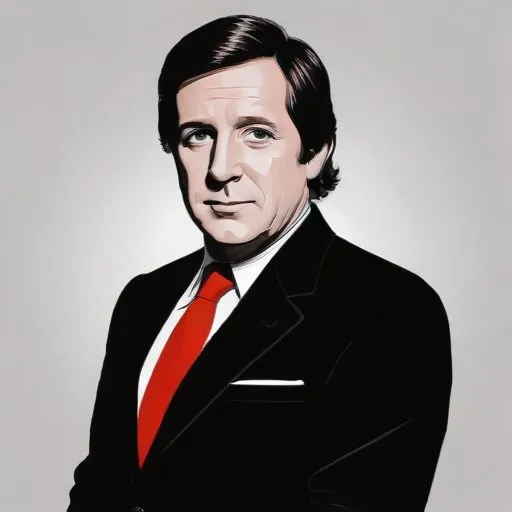
A renowned BBC broadcaster and pioneer of television journalism, known for his iconic reporting style and coverage of major events, including the coronation of Queen Elizabeth II.
Richard Dimbleby, the renowned English journalist and broadcaster, etched his name in the annals of history as the BBC's first war correspondent, and later, its leading TV news commentator. His distinctive voice and fearless reporting style captivated audiences, making him an icon of British journalism.
Born on May 25, 1913, near Richmond, Surrey, Dimbleby was the son of Gwendoline Mabel Bolwell and Frederick Jabez George Dimbleby, a journalist. He was educated at The Mall School, Twickenham, and Mill Hill School. Dimbleby's early foray into journalism began in 1931 on the Richmond and Twickenham Times, which his grandfather had acquired in 1894.
He then worked as a news reporter on the Southern Evening Echo in Southampton before joining the BBC as a radio news reporter in 1936. This marked the beginning of his illustrious career, during which he covered the first Royal tour of Canada and became the BBC's first war correspondent.
Dimbleby's fearless spirit and innovative approach to reporting led him to accompany the British Expeditionary Force to France, making broadcasts from the battle of El Alamein and the Normandy beaches during the D-Day landings. He flew on over 20 raids as an observer with RAF Bomber Command, including one to Berlin, recording commentary for broadcast the following day.
He was one of the first journalists to experiment with unconventional outside broadcasts, such as flying in a de Havilland Mosquito accompanying a fighter aircraft raid on France, or being submerged in a diving suit. His bold style of reporting not only captivated audiences but also earned him respect from his peers.
In April 1945, as the BBC's war correspondent, Dimbleby accompanied the British 11th Armoured Division to the liberation of the Bergen-Belsen concentration camp, making one of the first reports. His graphic description of the atrocities he witnessed at the camp was a poignant reminder of the horrors of war.
After the war, Dimbleby became the host of the long-running current affairs program Panorama, pioneering a popular style of interviewing that was respectful yet searching. He combined gravitas with creative insights, making him a household name in British journalism.
Dimbleby's contributions to journalism are still celebrated today. The annual Richard Dimbleby Lecture was founded in his memory, recognizing his groundbreaking work in the field. His legacy extends beyond his reporting, inspiring generations of journalists to follow in his footsteps.
Richard Dimbleby's remarkable life and career serve as a testament to his dedication to journalism and his unwavering commitment to telling the stories that matter. His legacy continues to inspire and motivate journalists around the world.
Born in 1925
A BBC newsreader and author, best known for being the first person to read the news on BBC Television in 1954, and for his distinctive style and voice.
86 Years Old
A British politician who served as Lord High Chancellor of Great Britain, known for his conservative views and influential role in shaping the country's justice system. He's a prominent figure in UK politics, particularly during the 1990s and early 2000s.
Born in 1885
Won the 1952 Olympic Games marathon in Helsinki, Finland, and held the world record in the marathon from 1952 to 1953.
Born in 1903
A British aristocrat who served as Prime Minister from 1963 to 1964, known for his brief tenure and aristocratic background.
Born in 1894
A British politician who served as Prime Minister from 1957 to 1963, known for leading the country through a period of economic prosperity and decolonization.
Born in 1897
A British politician who served as Prime Minister from 1955 to 1957, known for his role in the Suez Crisis and his diplomatic efforts during the Cold War.
Born in 1871
Prolific writer of historical novels and adventure stories, also a talented landscape painter.
Born in 1883
Led the Labour Party to a landslide victory in 1945, implementing significant social and economic reforms, including the creation of the National Health Service. He played a crucial role in shaping post-war Britain.
