


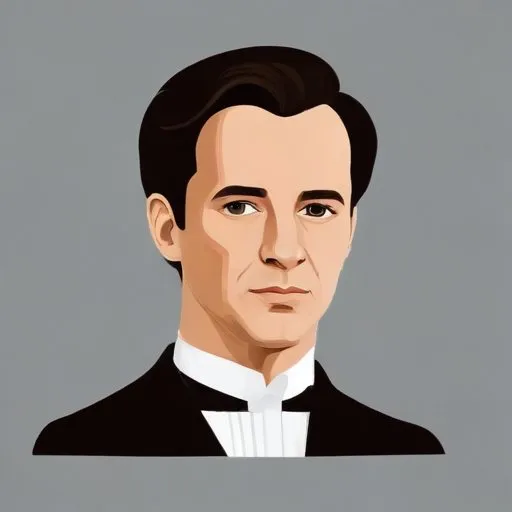
A renowned organist and conductor, he led the Cambridge University Choir and was a prominent figure in British choral music, particularly in the Anglican tradition.
Renowned for his extraordinary talent in choral conducting and organ playing, Richard Marlow left an indelible mark on the world of classical music. As the founder of the Cambridge University Chamber Choir and the mixed choir of Trinity College, Cambridge, Marlow's innovative approach and dedication to his craft earned him global recognition and acclaim.
Born on July 26, 1939, in Banstead, Surrey, England, Richard Marlow's passion for music was evident from a young age. He attended St Olaves and St Saviours Grammar School in Southwark and later became the head chorister at Southwark Cathedral. Marlow's exceptional talent led him to achieve his FRCO at the age of 17 and secure an Organ Scholarship and Research Fellowship at Selwyn College, Cambridge.
Marlow's academic pursuits took him to Southampton University, where he taught before returning to Cambridge in 1968. He succeeded Raymond Leppard as Fellow and Director of Music at Trinity College, Cambridge, and assumed a lectureship in the University Music Faculty.
In 1969, Marlow founded the Cambridge University Chamber Choir, which quickly gained international recognition for its innovative and stylish performances. The choir's reputation soared under Marlow's guidance, with numerous critically acclaimed recordings, broadcasts, and foreign tours.
In 1989, Marlow disbanded the Cambridge University Chamber Choir to focus on the mixed choir of Trinity College, Cambridge, which he had established earlier. This ensemble went on to achieve international acclaim, with frequent recordings, broadcasts, and tours.
Marlow's approach to choral music was underpinned by a deep understanding of historical context and a commitment to stylistic authenticity. His performances were often characterized by a sense of energy, passion, and intellectual curiosity.
Marlow's influence extends far beyond the realm of classical music. His work has inspired generations of musicians, and his legacy continues to shape the cultural landscape. Comedian and presenter Alexander Armstrong, a former choral scholar under Marlow, is just one example of the many talented individuals who have been influenced by his guidance.
Marlow's discography is a testament to his prolific output and dedication to his craft. Notable recordings include Handel's Organ Concerto No. 14 with the Academy of Ancient Music, as well as numerous recordings with the Cambridge University Chamber Choir and the mixed choir of Trinity College, Cambridge.
Richard Marlow retired from his post as Director of Music at Trinity College, Cambridge, in 2006, but his legacy continues to inspire and influence the world of classical music. Throughout his career, Marlow received numerous honors and accolades, cementing his position as one of the most respected and beloved choral conductors of his time.
Richard Marlow's remarkable career serves as a testament to the power of dedication, passion, and innovation. His influence on classical music is undeniable, and his legacy will continue to inspire generations to come.
Born in 1919
A renowned organist, composer, and conductor, he was a leading figure in British church music, directing the Choir of King's College, Cambridge, and creating iconic choral arrangements. He's especially famous for his festive carol arrangements, which are still widely performed today.
88 Years Old
A renowned pianist, composer, and academic, he was a leading expert in early music and directed the Cambridge University Choir, leaving a lasting impact on the classical music scene.
78 Years Old
Star of popular sitcoms, including "Three's Company" and "8 Simple Rules", known for his comedic timing and lovable on-screen presence.
82 Years Old
Renowned for his interpretations of Bach's organ music and his leadership of the Toronto Mendelssohn Choir, he was a prominent figure in Canada's classical music scene.
95 Years Old
Noted for his innovative and eclectic compositions, blending medieval and modern styles, and his influential work as a choirmaster and organist.
