


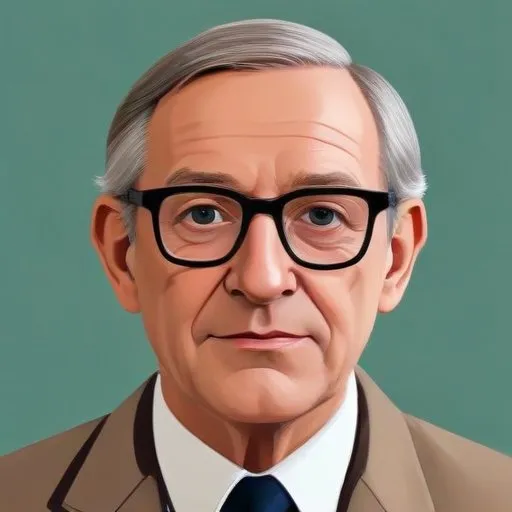
A renowned expert in protein structure and function, particularly in the field of molecular biology, known for pioneering work on protein engineering and enzyme catalysis.
Richard Perham, a prominent biochemist, is widely recognized for his groundbreaking contributions to the understanding of protein chemistry, particularly in the realm of multimeric assemblies. His research has had a profound impact on the field of biochemistry, shaping our comprehension of protein structures and their functions.
Born on April 27, 1937, Richard Perham attended Latymer Upper School and later pursued his academic endeavors at St John's College, Cambridge, where he earned his MA, PhD, and ScD degrees. This esteemed institution would remain a significant part of his academic journey, as he later became a professor of biochemistry and Master of St John's College, Cambridge.
Perham's research primarily focused on the chemistry of proteins in multimeric assemblies. His work shed light on the intricate mechanisms underlying protein structures, elucidating the mysteries of protein interactions and their roles in biological systems. Some of his notable contributions include:
Perham's outstanding contributions to biochemistry have been recognized through numerous awards and honors, including:
Perham's extensive research has resulted in numerous publications, including:
Richard Perham's remarkable contributions to the field of biochemistry have left an enduring impact on our understanding of protein chemistry. His work has inspired generations of scientists, fostering a deeper appreciation for the intricacies of biological systems. As a testament to his legacy, Perham's research continues to shape the landscape of biochemistry, guiding future discoveries and advancements in the field.
Born in 1916
Pioneering scientist who discovered the structure of DNA, revolutionizing our understanding of genetics and life itself.
98 Years Old
Discovered the structure of DNA, revolutionizing our understanding of genetics and earning a Nobel Prize. Pioneering work in molecular biology has far-reaching implications for medicine and beyond.
Born in 1914
Pioneering crystallographer who unraveled the structure of hemoglobin, revolutionizing our understanding of biological molecules. His work paved the way for major advances in medicine and biochemistry.
Born in 1917
Pioneering biochemist and crystallographer who determined the structure of myoglobin, a protein in muscle cells, and was awarded the Nobel Prize in Chemistry in 1962.
Born in 1924
A pioneer in the field of atmospheric physics, known for his groundbreaking research on the ozone layer and climate change, and a vocal skeptic of global warming theories.
99 Years Old
Developed groundbreaking techniques for producing monoclonal antibodies, revolutionizing the field of immunology and leading to numerous medical breakthroughs.
Born in 1918
Developed techniques for sequencing DNA and proteins, revolutionizing molecular biology and earning two Nobel Prizes in Chemistry.
93 Years Old
Developed the MRI scanner, revolutionizing medical imaging and diagnostics. This innovation has saved countless lives and improved healthcare outcomes worldwide.
