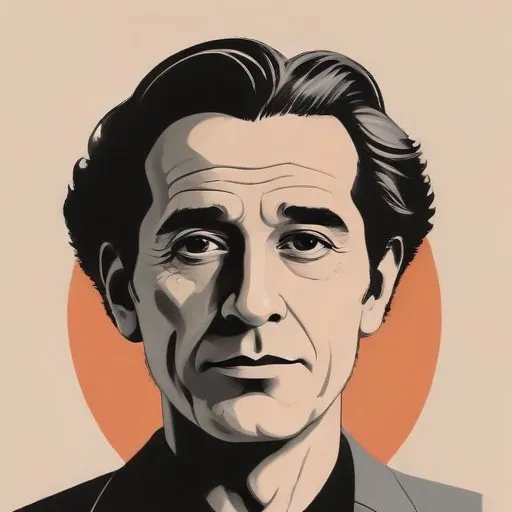
Richard Russo: The Pulitzer Prize-Winning Master of Semiautobiographical Storytelling
A Legacy of Literary Excellence
Richard Russo, born on July 15, 1949, is an American novelist, short story writer, screenwriter, and teacher, renowned for his poignant and introspective works that often blur the lines between fiction and reality. He clinched the coveted Pulitzer Prize in Fiction in 2002 for his novel
Empire Falls, cementing his position as a literary giant.
Early Life and Education
Russo's life has been a rich tapestry of experiences that would later influence his writing. Born in Johnstown, New York, he was raised in nearby Gloversville, where he drew inspiration from the working-class community. He pursued higher education at the University of Arizona, earning a Bachelor's degree, Master of Fine Arts degree, and a Doctor of Philosophy degree between 1967 and 1979. His doctoral dissertation focused on the works of Charles Brockden Brown, an early American writer, historian, and editor.
A Career of Semiautobiographical Storytelling
Russo's writing career took off when his first novel,
Mohawk, was published in 1986, while he was teaching in the English department at Southern Illinois University Carbondale. Much of his work is deeply personal, drawing from his life experiences, including his upbringing in upstate New York and his time teaching literature at Colby College, where he retired from in 1996 to pursue writing full-time.
Major Works and Adaptations
Russo's literary repertoire includes nine novels, a collection of short stories, and a memoir,
Elsewhere. His notable works include:
- Empire Falls (2001) - Pulitzer Prize for Fiction in 2002
- Nobodys Fool (1993) - adapted into a 1994 film starring Paul Newman
- Straight Man (1997) - adapted into a television show entitled Lucky Hank starring Bob Odenkirk
- Twilight (1998) - screenplay cowritten with director Robert Benton
- Ice Harvest (2005) - screenplay
- Keeping Mum (2005) - screenplay, starring Rowan Atkinson
Influence on Modern Society
Russo's writing has not only resonated with readers but has also had a significant impact on modern society. His work often explores themes of working-class life, family dynamics, and the American Dream, providing a nuanced understanding of the human experience. His writing has been praised for its empathetic and humorous portrayal of ordinary people, making him a beloved figure in contemporary literature.
Personal Milestones and Quotes
Russo has been honored with numerous awards and nominations throughout his career, including the Pulitzer Prize, the National Book Award nomination, and the PEN/Faulkner Award. When asked about his writing process, Russo remarked, "I'm not a writer who plots out every detail beforehand. I tend to start with a character, and then I try to figure out what kind of trouble I can get them into."
Legacy and Impact
Richard Russo's contribution to American literature is undeniable. His unique brand of semiautobiographical storytelling has inspired a generation of writers, and his work continues to captivate readers and audiences alike. As a testament to his enduring legacy, Russo's writing has been adapted into various forms of media, cementing his status as a master storyteller.
FAQ
What are Richard Russos notable literary works?
Richard Russo is a Pulitzer Prize-winning novelist known for his works like Empire Falls and Nobodys Fool. His writing often explores the human condition, family dynamics, and small-town America.
What is Richard Russos writing style?
Richard Russos writing style is characterized by his lyrical prose, nuanced character development, and insightful exploration of human relationships. His writing is often described as witty, humorous, and poignant.
What awards has Richard Russo won?
Richard Russo has won numerous awards, including the Pulitzer Prize, the National Book Award, and the PEN/Faulkner Award. Hes also been a finalist for the National Book Award and the PEN/Faulkner Award multiple times.
What is Richard Russos inspiration for his writing?
Richard Russos inspiration comes from his own life experiences, growing up in a small town in Maine, and his observations of the human condition. Hes also drawn inspiration from literary giants like John Updike and Richard Ford.
What is Richard Russos role in the literary community?
Richard Russo is a respected figure in the literary community, known for his advocacy of literary fiction and his support of emerging writers. Hes taught creative writing at various universities and has served as a judge for several literary awards.