


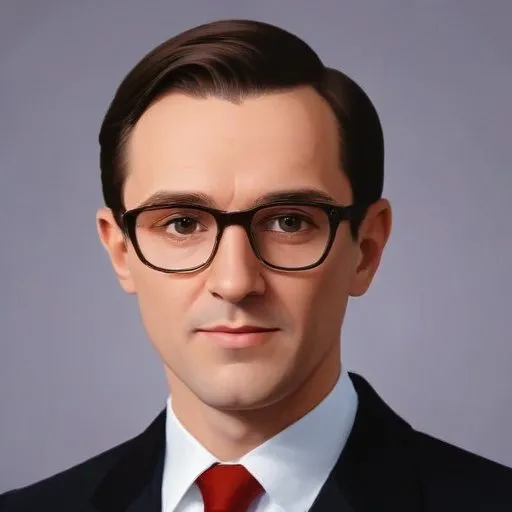
A British biochemist and academic who made significant contributions to the development of antibiotics and was a prominent figure in the field of microbiology. He served as the Rector of Imperial College London and was knighted for his services to science.
Richard Sykes, a renowned British microbiologist, is known for his remarkable contributions to the development of innovative vaccines and antibiotics. As the chair of the UK's Vaccine Taskforce, he has been instrumental in overseeing the delivery of the COVID-19 vaccination program, paving the way for a safer and healthier future.
Born on August 7, 1942, in Huddersfield, West Yorkshire, Sykes' fascination with microbiology began at a young age. He attended Royds Hall Grammar School and later worked as a technician in a pathology laboratory before pursuing higher education.
He earned a first-class BSc degree in microbiology from Queen Elizabeth College and went on to receive his doctorate in 1972 with a thesis on lactamases of Pseudomonas aeruginosa.
Sykes' notable career spans across various esteemed institutions, including GlaxoWellcome, Imperial College, and NHS London, where he held leadership positions and played a crucial role in shaping the world of microbiology and vaccines.
Sykes' work is deeply rooted in his commitment to advancing scientific knowledge and improving public health. He firmly believes in the power of collaboration and innovation in driving progress in the field of microbiology.
Sykes' contributions have had a profound impact on modern society, particularly in the face of the COVID-19 pandemic. His leadership and expertise have been instrumental in accelerating vaccine development and distribution, saving countless lives and mitigating the economic and social impacts of the pandemic.
Sykes' achievements have been recognized and celebrated through numerous prestigious awards and honors, solidifying his position as a pioneer in the field of microbiology.
Throughout his illustrious career, Sykes has navigated various challenges and triumphs, including overseeing major mergers and acquisitions, and pushing the boundaries of scientific discovery.
Richard Sykes' legacy extends far beyond his impressive list of accomplishments. He has inspired generations of scientists, policymakers, and healthcare professionals, leaving an indelible mark on the world of microbiology and vaccines.
Born in 1881
Discovered penicillin, a revolutionary antibiotic, and pioneered its use in medicine. This breakthrough has saved countless lives and transformed the field of healthcare.
Born in 1898
Developed penicillin as a medicine, revolutionizing the treatment of bacterial infections. This discovery has saved countless lives and transformed modern medicine.
Born in 1910
A pioneering scientist who deciphered the structures of biomolecules like insulin and vitamin B12, revolutionizing our understanding of biology and medicine.
Born in 1918
Developed techniques for sequencing DNA and proteins, revolutionizing molecular biology and earning two Nobel Prizes in Chemistry.
98 Years Old
Developed groundbreaking techniques for producing monoclonal antibodies, revolutionizing the field of immunology and leading to numerous medical breakthroughs.
92 Years Old
Developed the MRI scanner, revolutionizing medical imaging and diagnostics. This innovation has saved countless lives and improved healthcare outcomes worldwide.
