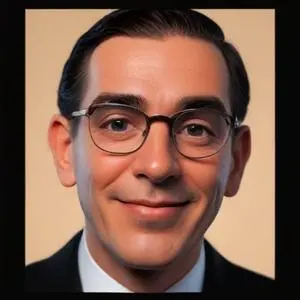
The Oscars' Lieutenant
Ring Lardner, Jr. is known for being the first screenwriter to win Academy Awards for Best Original Screenplay and Best Adapted Screenplay, a feat he achieved with his debut screenplay,
M*A*S*H (1970), and his subsequent work on
The Cincinnati Kid (1965), respectively. This remarkable achievement solidified his position as a trailblazer in the film industry.
Early Life and Career
Born on August 19, 1915, in Chicago, Illinois, Ring Lardner, Jr. was the son of renowned journalist and satirist Ring Lardner, Sr. Growing up, he was exposed to the world of writing and journalism, which would later shape his career path. Lardner, Jr. began his writing career as a journalist, working for various newspapers and magazines, including the
New Yorker and
The New Republic.
Blacklisted and Reborn
During the Red Scare of the 1950s, Lardner, Jr. was blacklisted for his alleged ties to the Communist Party. This led to a significant setback in his career, forcing him to work under pseudonyms and adapt to new formats, such as television writing. Despite these challenges, he continued to produce exceptional work, including the screenplay for
The Cincinnati Kid, which earned him his first Academy Award.
M*A*S*H and Beyond
Lardner, Jr.'s crowning achievement came with the release of
M*A*S*H, a satirical war comedy directed by
Robert Altman. The film's critical and commercial success catapulted Lardner, Jr. to prominence, earning him his second Academy Award and cementing his status as a master screenwriter. He continued to work on various projects, including
The Greatest (1977) and
Cold Turkey (1971), showcasing his versatility and wit.
Philosophical Contributions and Beliefs
Throughout his career, Lardner, Jr. was driven by a strong sense of social justice and a commitment to telling stories that challenged the status quo. His writing often explored themes of rebellion, nonconformity, and the absurdity of war, reflecting his own anti-establishment views. His work served as a beacon for future generations of writers and filmmakers, inspiring them to push the boundaries of storytelling and challenge societal norms.
Historical Context and Legacy
Ring Lardner, Jr.'s contributions to the film industry cannot be overstated. He played a significant role in shaping the landscape of American cinema, influencing a generation of writers and filmmakers with his innovative style and wit. His legacy extends beyond his own work, with his scripts serving as a testament to the power of satire and social commentary.
Personal Milestones and Key Life Events
- 1915: Born on August 19th in Chicago, Illinois
- 1950s: Blacklisted for alleged ties to the Communist Party
- 1965: Won Academy Award for Best Adapted Screenplay for The Cincinnati Kid
- 1970: Won Academy Award for Best Original Screenplay for M*A*S*H
Quotes and Memorable Sayings
“The only 'ism' Hollywood believes in is plagiarism.” – Ring Lardner, Jr.
Impact on Pop Culture
M*A*S*H's success spawned a popular television series, which aired from 1972 to 1983, further solidifying Lardner, Jr.'s influence on popular culture. The film's anti-war message and dark humor continue to resonate with audiences today, cementing its place as a cultural touchstone.
Awards and Honors
- Academy Award for Best Adapted Screenplay for The Cincinnati Kid (1965)
- Academy Award for Best Original Screenplay for M*A*S*H (1970)
- Nominated for Academy Award for Best Adapted Screenplay for The Greatest (1977)
Educational Contributions and Influence
Ring Lardner, Jr.'s work has been studied in film schools and writing programs worldwide, serving as a benchmark for aspiring screenwriters and filmmakers. His scripts continue to inspire new generations of writers, encouraging them to push the boundaries of storytelling and explore complex themes and ideas.
Legacy and Influence
Ring Lardner, Jr.'s impact on the film industry is undeniable. His groundbreaking work, courage in the face of adversity, and commitment to telling socially conscious stories have left an indelible mark on American cinema. As a true original, he continues to inspire and influence writers, filmmakers, and audiences alike, ensuring his legacy will endure for generations to come.