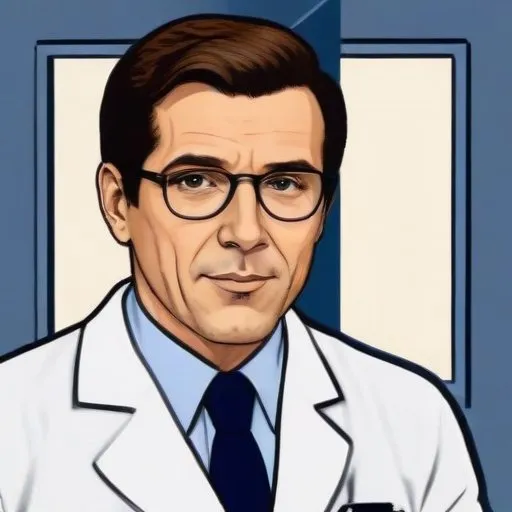
Robert Abbe: The Pioneer Radiologist and Plastic Surgeon
A Trailblazer in the Field of Radiation Oncology
Robert Abbe was a renowned American surgeon and pioneer radiologist, known for his groundbreaking work in the field of radiation oncology. He is credited with introducing the practice of using radiation to treat cancer, founding the science of radiation oncology, and developing innovative surgical techniques that bear his name.
Early Life and Education
Born on April 13, 1851, in New York City, Abbe was educated at the College of the City of New York, where he earned his S.B. in 1871. He went on to pursue his medical degree at Columbia University, graduating in 1874.
Career Highlights and Major Works
Abbe's career was marked by several significant milestones. Between 1877 and 1884, he served as a surgeon and professor of surgery at New York Hospital, St. Luke's Hospital, and New York Babies Hospital. During this period, he developed the lip switch flap, a surgical technique that now bears his name. Although an Italian surgeon named Sabattini had described the flap 60 years earlier, Abbe's work popularized it and made it a standard practice in plastic surgery.
Radiation Oncology and the Curies
In 1904, Abbe visited the laboratories of Pierre and
Marie Curie in Paris, where he joined their groundbreaking research on radiation. This collaboration led to the introduction of radiation therapy in the United States, with Abbe becoming the founder of radiation oncology in the country. He was a strong advocate for the use of radiation in treating cancer and reported over 100 cases of smokers' cancer, highlighting the link between tobacco use and cancer.
Personal Milestones and Key Life Events
Abbe's personal life was marked by a passion for collecting Native American artifacts and archaeological materials. He amassed a large collection during his summer travels and later founded the Abbe Museum of Native American artifacts in 1927. His summer home, Brook End, in Bar Harbor, Maine, became a hub for his research and collections.
Legacy and Impact
Robert Abbe's contributions to the field of radiation oncology and plastic surgery are immeasurable. He was a pioneer who paved the way for future generations of surgeons and researchers. The plastic surgical laboratory at Roosevelt Hospital (now Mount Sinai West) in New York is named in his honor, a testament to his legacy. His work continues to inspire and influence medical professionals to this day.
Influence on Modern Society
Abbe's work has had a profound impact on modern society. His introduction of radiation therapy in cancer treatment has saved countless lives and improved outcomes for patients. His contributions to plastic surgery have enabled surgeons to perform complex procedures with greater precision and success.
Philosophical Contributions and Beliefs
Throughout his career, Abbe was driven by a strong sense of purpose and a commitment to improving healthcare. He believed in the importance of innovation and collaboration, demonstrated by his work with the Curies and his pioneering efforts in radiation oncology.
Visual Timeline and Milestones
- 1851: Born on April 13th in New York City
- 1871: Earned S.B. from the College of the City of New York
- 1874: Graduated with M.D. from Columbia University
- 1877-1884: Served as surgeon and professor of surgery at New York Hospital, St. Luke's Hospital, and New York Babies Hospital
- 1904: Introduced radiation therapy in the United States and founded the science of radiation oncology
- 1904: Visited the Curies' laboratories in Paris and collaborated on radiation research
- 1927: Founded the Abbe Museum of Native American artifacts
- 1928: Died on March 7th due to anemia, possibly caused by his work with radium
Trivia and Fun Facts
- Abbe was a vigorous opponent of tobacco use, which he believed was a cause of cancer.
- He was a lecturer and fellow of the College of Physicians of Philadelphia and Vice President of the Academy of Medicine.
- Abbe's summer home, Brook End, in Bar Harbor, Maine, was a hub for his research and collections.
FAQ
What was Robert Abbes contribution to American medicine?
Robert Abbe was a pioneering American surgeon and radiologist who made significant contributions to the development of radiology as a medical discipline.
What were Robert Abbes most notable achievements in radiology?
Robert Abbes most notable achievements in radiology include his work on the use of X-rays in medical diagnosis and his development of new techniques for radiation therapy.
How did Robert Abbes work influence the development of radiology?
Robert Abbes work helped establish radiology as a distinct medical specialty, paving the way for subsequent generations of radiologists and radiation oncologists.
What was Robert Abbes role in the American Medical Association?
Robert Abbe was an active member of the American Medical Association, serving as its president in 1916. He played a key role in promoting the organizations goals and advancing the field of medicine.
How has Robert Abbes legacy been celebrated in American medicine?
Robert Abbes legacy has been celebrated in American medicine through various tributes and commemorations, including the establishment of the Robert Abbe Museum of Radiology in New York City.