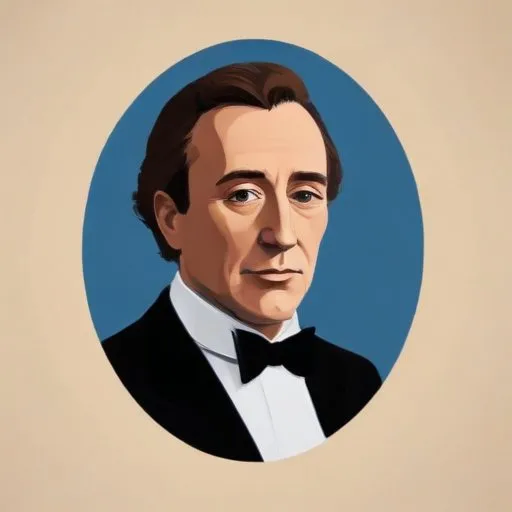
Robert Ashley: The Pioneering Composer of Television Operas and Surreal Soundscapes
A Career of Innovation and Experimentation
Robert Ashley was a visionary American composer, best known for his groundbreaking television operas and theatrical works that pushed the boundaries of sound, theatrics, and writing. His innovative and often surreal compositions have left an indelible mark on the world of music, earning him a reputation as a pioneer in the field of avant-garde music.
Early Life and Education
Born on March 28, 1930, in Ann Arbor, Michigan, Ashley studied at the University of Michigan from 1948 to 1952, where he was mentored by the esteemed composer Ross Lee Finney. It was during this period that Ashley developed a deep appreciation for modernist and avant-garde music, which would later inform his own compositional style. He further honed his skills at the Manhattan School of Music, before serving as a musician in the US Army.
The ONCE Festival and the Birth of a Movement
In the early 1960s, Ashley co-founded the ONCE Festival in Ann Arbor, a pioneering initiative that brought together composers, artists, and musicians to showcase experimental and avant-garde works. This fertile environment allowed Ashley to experiment with new sounds, techniques, and forms, setting the stage for his future innovations. The ONCE Festival also spawned the ONCE Group, a collective of like-minded artists who shared Ashley's passion for innovation and experimentation.
Television Operas and Surreal Soundscapes
Ashley's most notable works are his television operas, which seamlessly blend music, drama, and visual elements to create immersive and thought-provoking experiences. Compositions like
Automatic Writing (1979) and
Perfect Lives (1983) showcase his unique approach to storytelling, where fragmented narratives and surreal landscapes converge to create a dreamscape of sound and image.
Legacy and Influence
Ashley's influence on modern music and theater is undeniable. His students, including Maggi Payne and Hsiung-Zee Wong, have gone on to become respected composers and artists in their own right. His work has also inspired a new generation of musicians, composers, and artists to experiment with new forms and techniques. Through his recordings, released by Lovely Music, Ashley's legacy continues to inspire and challenge audiences around the world.
Awards and Honors
Throughout his career, Ashley received numerous awards and honors for his contributions to music and theater. He was recognized with a Guggenheim Fellowship, a National Endowment for the Arts Fellowship, and an Obie Award, among others.
Personal Milestones and Key Life Events
- 1948-1952: Studied at the University of Michigan
- 1952-1955: Served as a musician in the US Army
- 1961-1969: Co-founded and organized the ONCE Festival in Ann Arbor
- 1969: Became director of the San Francisco Tape Music Center
- 1970s: Directed the Mills College Center for Contemporary Music
- 1979: Composed Automatic Writing
- 1983: Composed Perfect Lives
Philosophical Contributions and Beliefs
Ashley's work was guided by a deep commitment to innovation and experimentation. He believed that music and art should challenge conventional norms and push the boundaries of human perception. Through his compositions, he sought to create immersive experiences that would engage audiences on multiple levels, sparking new ways of thinking and feeling.
Trivia and Fun Facts
- Ashley was an avid fan of popular music, and often incorporated elements of rock, jazz, and pop into his compositions.
- He was known for his dry wit and humor, often incorporating humorous elements into his works.
- Ashley was a prolific composer, with over 30 operas, orchestral works, and chamber music compositions to his credit.
Visual Timeline and Milestones
| 1930 |
Robert Ashley born in Ann Arbor, Michigan |
| 1948-1952 |
Studied at the University of Michigan |
| 1961-1969 |
Co-founded and organized the ONCE Festival in Ann Arbor |
| 1969 |
Became director of the San Francisco Tape Music Center |
| 1970s |
Directed the Mills College Center for Contemporary Music |
| 1979 |
Composed Automatic Writing |
| 1983 |
Composed Perfect Lives |
| 2014 |
Robert Ashley passed away, leaving behind a legacy of innovative and avant-garde music |
Ashley's remarkable life and career serve as a testament to the power of innovation and experimentation. Through his groundbreaking compositions and collaborations, he has left an indelible mark on the world of music, inspiring generations of artists and musicians to push the boundaries of what is possible.
FAQ
What was Robert Ashleys contribution to American music?
Robert Ashley was an American composer who made significant contributions to the development of opera, musical theater, and electronic music. His work often blended elements of music, drama, and visual art to create innovative and groundbreaking performances.
How did Robert Ashleys early life influence his approach to music?
Robert Ashleys early life, marked by a passion for jazz and experimental music, had a profound influence on his approach to composition. He developed a unique style that blended elements of jazz, rock, and classical music with a strong emphasis on storytelling and drama.
What was Robert Ashleys most famous musical work?
Robert Ashleys most famous musical work is probably his opera Perfect Lives, which premiered in 1983. The work is a groundbreaking example of music theater that blends elements of opera, rock music, and television drama to tell a story of love, identity, and American culture.
How did Robert Ashleys views on music differ from those of his contemporaries?
Robert Ashleys views on music differed from those of his contemporaries in his emphasis on the importance of storytelling and drama in composition. He believed that music should be a form of narrative, with a strong focus on character development and plot.
What is Robert Ashleys legacy in American music?
Robert Ashleys legacy in American music is that of a visionary and a pioneer, who pushed the boundaries of opera, musical theater, and electronic music. His work continues to influence generations of composers and has paved the way for major advances in the field of music theater.