


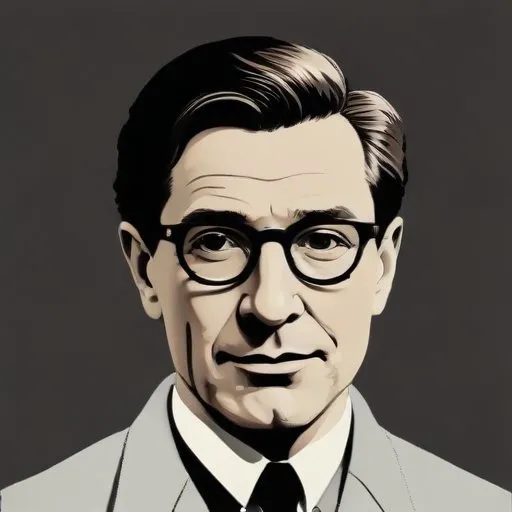
Pioneering playwright and producer behind groundbreaking Off-Broadway productions, pushing boundaries of American theater with provocative works.
Robert Fryer, the acclaimed American theatrical and film producer, left an indelible mark on the world of entertainment, bringing some of the most iconic stories to life on Broadway and the big screen. With a career spanning over four decades, Fryer's impressive repertoire includes hits like A Tree Grows in Brooklyn, Wonderful Town, Auntie Mame, and Sweeney Todd, cementing his status as a master of his craft.
Born on November 18, 1920, in Washington, D.C., Fryer's early life was marked by tragedy when his father passed away from tuberculosis in 1929. Raised by his mother in Cleveland, Ohio, Fryer developed a passion for the arts, which would eventually lead him to pursue a degree from Case Western Reserve University. Following his service in the Army during World War II, Fryer began his journey in the world of entertainment, working as an assistant to the producer of the Old Vic season at the Century Theatre.
Fryer's remarkable career was punctuated by numerous accolades, including multiple Tony Awards for his exceptional productions. The plays he produced garnered a total of 37 Tony Awards, a testament to his unwavering commitment to excellence. In 2000, Fryer was posthumously inducted into the American Theater Hall of Fame, a tribute to his enduring impact on the world of theater.
Fryer's foray into film production resulted in some of the most iconic movies of all time, including Mame, Voyage of the Damned, The Boys from Brazil, and, of course, Stanley Kubrick's The Shining. Though film was not his first love, Fryer's cinematic endeavors remain a significant part of his legacy.
As a director of the Center Theatre Group's Ahmanson Theatre in Los Angeles from 1971 to 1988, Fryer played a pivotal role in shaping the theatrical landscape of the city. His dedication to nurturing new talent and promoting innovative productions left an indelible mark on the industry. As Fryer once said, "Movies pay the rent, but the stage is my true love." His love for the stage continues to inspire generations of theater enthusiasts and professionals alike.
Through his remarkable body of work, Robert Fryer continues to inspire and influence the world of entertainment, leaving behind a legacy that will be cherished for generations to come.
Born in 1915
Pulitzer Prize-winning playwright behind iconic dramas like "Death of a Salesman" and "The Crucible", exploring American identity and morality through powerful storytelling.
Born in 1911
A Pulitzer Prize-winning playwright and poet, known for crafting emotionally charged, poetic dramas that explore the human condition, particularly in the American South.
Born in 1888
A pioneering playwright who explored the American experience through powerful, psychologically complex dramas, earning the Nobel Prize in Literature in 1936.
Born in 1905
Pioneering playwright and screenwriter who crafted intricate, socially conscious dramas that probed the human condition, often focusing on moral dilemmas and personal relationships.
Born in 1906
A pioneering playwright and screenwriter of the 1930s, known for his gritty, socially conscious dramas that probed the American Dream and the struggles of the working class.
Born in 1913
Pulitzer Prize-winning playwright and novelist known for poignant, nuanced portrayals of small-town American life, exploring themes of identity, morality, and the human condition.
Born in 1923
Acclaimed author and screenwriter behind iconic films like "Network" and "Marty", known for crafting thought-provoking, socially conscious stories that captivate audiences.
99 Years Old
Wrote comedic plays and screenplays that often explored the human condition, earning numerous awards and accolades, including multiple Tonys and Oscars. 82
