


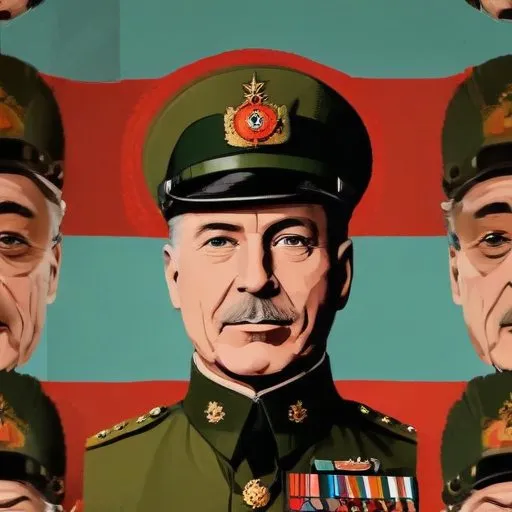
A Canadian colonel, engineer, and politician who served as the 26th Minister of Public Works, overseeing infrastructure development and nation-building projects. He played a crucial role in shaping Canada's physical landscape.
Robert Henry Winters, a Canadian politician, businessman, and electrical engineer, is best known for his remarkable career transitions and significant contributions to the fields of politics, business, and education. Specifically, he is recognized for his ministerial roles in the Canadian government, his leadership in various corporate entities, and his instrumental role in shaping the educational landscape of York University.
Born on August 18, 1910, in Lunenburg, Nova Scotia, Winters was the son of a fishing captain. He pursued his higher education at Mount Allison University in New Brunswick and later at the Massachusetts Institute of Technology, where he earned his degree in electrical engineering.
Winters' political journey began in 1945 when he was first elected to the House of Commons as a Liberal for the riding of Queens-Lunenburg in Nova Scotia. He went on to serve in various ministerial roles, including minister of public works, under Prime Minister Louis St. Laurent. His political career was marked by a brief hiatus in the 1950s, during which he entered the corporate world.
Winters' return to politics was facilitated by Lester Pearson, who persuaded him to run for the Toronto seat of York West in the 1965 election. He subsequently became the minister of trade and commerce in Pearson's government. Winters' conservative fiscal stance and proximity to the business community often put him at odds with Walter L. Gordon, another prominent politician of the time.
One of Winters' most significant contributions was his role in negotiating the Churchill Falls deal, which earned him immense popularity in Newfoundland. His leadership abilities were further demonstrated when he served as the first chair of the board of governors of York University, playing a crucial role in shaping the institution's future.
Winters' multifaceted career has left an indelible mark on Canadian politics, business, and education. His ability to navigate different fields with ease and distinction is a testament to his exceptional leadership skills and vision.
York University's Winters College, established in 1967, stands as a testament to Winters' enduring legacy in the field of education.
Winters' personal life was marked by a deep passion for sports, particularly tennis. Tragically, he suffered a heart attack during a game of tennis in California and passed away on October 10, 1969, at the age of 59.
Winters' legacy extends beyond his direct contributions to politics, business, and education. He served as a beacon of inspiration for individuals looking to make a meaningful impact across multiple fields. His commitment to public service, corporate leadership, and education has left a lasting imprint on modern society.
Born in 1897
A Canadian leader who served as Prime Minister and won the Nobel Peace Prize for resolving the Suez Canal Crisis, known for his diplomatic efforts and peacekeeping initiatives.
Born in 1895
The 13th Prime Minister of Canada, a champion of individual rights and freedoms, introduced the Canadian Bill of Rights, a precursor to the Charter of Rights and Freedoms. He's also known for his anti-apartheid stance and leadership during the Suez Crisis.
Born in 1919
The charismatic leader who championed Canadian unity and implemented progressive policies, known for his iconic style and influential legacy in shaping modern Canada.
92 Years Old
The 20th Prime Minister of Canada, serving from 1993 to 2003, known for his leadership during the Quebec sovereignty movement and his role in shaping Canada's national unity. He implemented policies like the Clarity Act and the National Child Benefit.
45 Years Old
American professional ice hockey player who won two Stanley Cup championships and was a four-time NHL All-Star. Known for his rugged defensive play and physical presence on the ice.
67 Years Old
The 22nd Prime Minister of Canada, a conservative leader who served from 2006 to 2015, known for his fiscal policies and controversial stances on social issues. He led the country through the 2008 financial crisis and implemented significant changes to Canada's tax system.
54 Years Old
The 23rd Prime Minister of Canada, known for his progressive policies and charismatic leadership, has been a prominent figure in Canadian politics since 2015. He has been a strong advocate for climate action, diversity, and inclusion.
87 Years Old
The 18th Prime Minister of Canada, a skilled lawyer and politician, led the country from 1984 to 1993, known for negotiating the Canada-US Free Trade Agreement and introducing the Goods and Services Tax.
