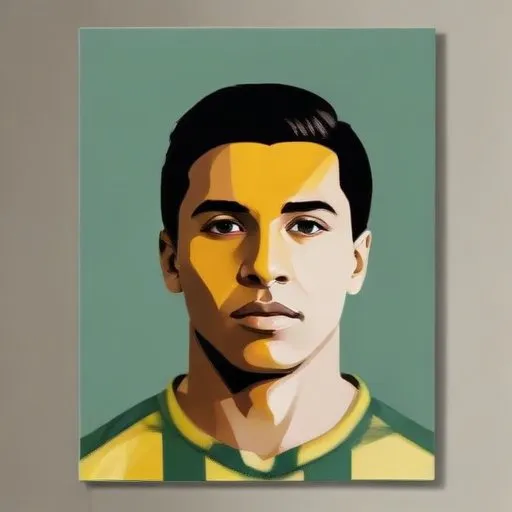
Rodrigo Possebon: The Brazilian Midfielder Who Took the World by Storm
The Early Years
Rodrigo Pereira Possebon, born on 13 February 1989, is a former professional footballer known for his exceptional skills as a midfielder. He rose to fame when he joined Manchester United in 2008, becoming one of the most promising young players in the world.
A Youthful Prodigy
Possebon began his football career playing for Internacional in Brazil, where he caught the attention of Manchester United's Brazil-based scout, John Calvert-Toulmin. His impressive performances earned him a spot on the Manchester United team, and he was allocated the number 34 shirt.
Italian Ancestry and European Eligibility
Thanks to his father's Italian descent, Possebon qualified for an Italian passport, making him eligible to play in Europe without any restrictions.
Manchester United and the Premier League Debut
Possebon made his professional debut for Manchester United on 17 August 2008, coming on as a substitute for
Ryan Giggs during the 1-1 draw with Newcastle United. His Premier League debut was a notable one, and he went on to make two more league appearances for the club.
Injuries and Setbacks
Possebon's time at Manchester United was marked by injuries, including a serious one during a Football League Cup match against Middlesbrough. The injury forced him to undergo a lengthy recovery period, but he made a triumphant return to the pitch, scoring in the Manchester United Reserves' 3-0 win over Manchester City.
Loan Spells and Career Highlights
After two unsuccessful years with Manchester United, Possebon went on loan to Braga of Portugal for the first half of the 2009-2010 season. He later joined various clubs, including Sochaux, Vicenza, and Hajduk Split, before landing at Hô Chi Minh City in 2018.
International Career
Possebon was eligible to play for Italy due to his ancestry, and he made one appearance for the Italy under-20 team in 2009.
Legacy and Impact
Possebon's career may not have reached the same heights as some of his contemporaries, but he remains an important figure in the world of football. His journey serves as an inspiration to young players, highlighting the importance of perseverance and determination in the face of adversity.
Trivia and Fun Facts
- Possebon's father is of Italian descent, making him eligible for an Italian passport.
- He was spotted by Manchester United's scout while following up on the club's interest in twin full-backs, Fabio and Rafael da Silva.
- Possebon's professional debut for Manchester United was against Newcastle United on 17 August 2008.
A Footballer's Legacy
Rodrigo Possebon's story is a testament to the power of hard work and dedication. Though his career may not have been marked by countless trophies or accolades, he remains an important figure in the world of football, inspiring future generations of players to chase their dreams.
FAQ
What teams has Rodrigo Possebon played for in his professional football career?
Rodrigo Possebon has played for several teams, including Manchester United, Santos FC, and Vitória SC. Hes a midfielder known for his technical ability and vision on the pitch.
What are some of Rodrigo Possebons strengths as a player?
Rodrigo Possebon is a skilled player who excels at controlling the tempo of the game. Hes a good passer and has the ability to pick out teammates with precision.
How does Rodrigo Possebon prepare for games?
Rodrigo Possebon is known for his dedication and professionalism. Hes always looking to improve his game, whether through extra training sessions or film study.
What kind of leadership role does Rodrigo Possebon take on his teams?
Rodrigo Possebon is a respected leader on his teams, known for his vocal presence and ability to motivate his teammates. Hes often worn the captains armband and has led by example.
How has Rodrigo Possebon overcome challenges in his career?
Rodrigo Possebon has faced several challenges, including injuries and setbacks. However, hes always bounced back, using those experiences as opportunities to grow and improve as a player and person.