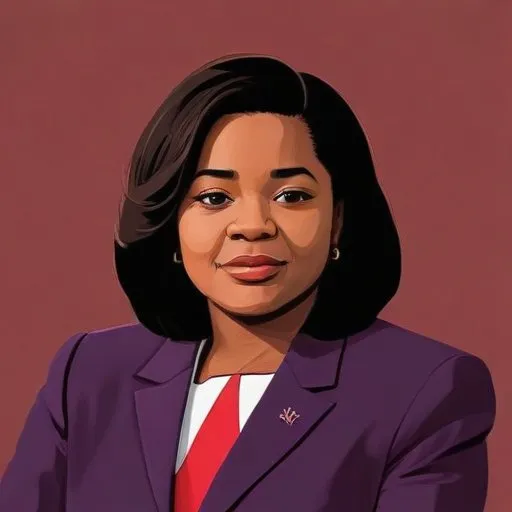
Rose Francine Rogomb: The Trailblazing Gabonese Politician
Breaking Barriers as Gabon's First Female Head of State
Rose Francine Rogomb is best known for her historic tenure as the acting president of Gabon, a position she held from June 2009 to October 2009, following the death of longtime President
Omar Bongo. As the first female head of state in Gabon's history, Rogomb's leadership marked a significant milestone in the country's political landscape.
Early Life and Career
Born on September 20, 1942, in Lambarn, French Equatorial Africa (now Gabon), Rogomb hailed from the Galwa ethnic group. She pursued higher education in France, where she studied law, before returning to Gabon to work as a magistrate. Her career in politics began in the 1980s, when she served as Secretary of State for the Advancement of Women and Human Rights.
Rise to Prominence
In 2007, Rogomb earned a degree in theology, expanding her expertise beyond law and politics. The following year, she was elected as a municipal councillor in Lambarn and later as a Senator from Lambarn in the January 2009 Senate election. On February 16, 2009, she was elected as President of the Senate, garnering the support of 90 out of 99 Senators who voted.
Interim Presidency and Legacy
As President of the Senate, Rogomb constitutionally succeeded President Omar Bongo upon his death, becoming the acting president of Gabon. During her tenure, she ensured a smooth transition of power and maintained stability in the country. Rogomb's leadership, although brief, paved the way for future generations of female politicians in Gabon.
Personal Milestones and Key Life Events
- 1942: Born in Lambarn, French Equatorial Africa (now Gabon)
- 1980s: Served as Secretary of State for the Advancement of Women and Human Rights
- 2007: Earned a degree in theology
- 2008: Elected as a municipal councillor in Lambarn and Senator from Lambarn
- 2009: Elected as President of the Senate and became acting president of Gabon
Philosophical Contributions and Beliefs
Rogomb was often referred to as the "iron lady" due to her strength and determination. Throughout her political career, she advocated for women's rights and human rights, demonstrating her commitment tocreating a more equitable society.
Impact on Modern Society
Rose Francine Rogomb's trailblazing path in Gabonese politics has inspired countless women to pursue careers in public service. Her legacy continues to resonate, promoting gender equality and encouraging future generations of female leaders to take on prominent roles in government.
Historical Context and Legacy
Rogomb's leadership occurred during a period of significant transition in Gabon, as the country navigated the shift from a single-party system to multiparty politics. Her tenure marked a crucial moment in Gabon's political history, demonstrating the country's capacity for peaceful transfer of power and its commitment to democratic values.
FAQ
Who is Rose Francine Rogombé and what was her role in Gabon?
Rose Francine Rogombé was a Gabonese lawyer and politician who served as the President of Gabon from 2009 to 2010. She was the first female head of state in Gabon and played a significant role in the countrys political landscape.
What were Rose Francine Rogombés achievements as President of Gabon?
During her tenure as President, Rogombé implemented several reforms aimed at improving the countrys economy and infrastructure. She also worked to promote peace and stability in the region.
How did Rose Francine Rogombé become involved in politics?
Rogombé began her political career as a lawyer and later became involved in the Gabonese Democratic Party. She held various ministerial positions before becoming President.
What was Rose Francine Rogombés stance on womens rights in Gabon?
Rogombé was a strong advocate for womens rights and empowerment in Gabon. She worked to promote gender equality and increase womens participation in politics.
What is Rose Francine Rogombés legacy in Gabon?
Rogombés legacy in Gabon is marked by her commitment to democracy and human rights. She paved the way for future generations of female leaders in the country.