


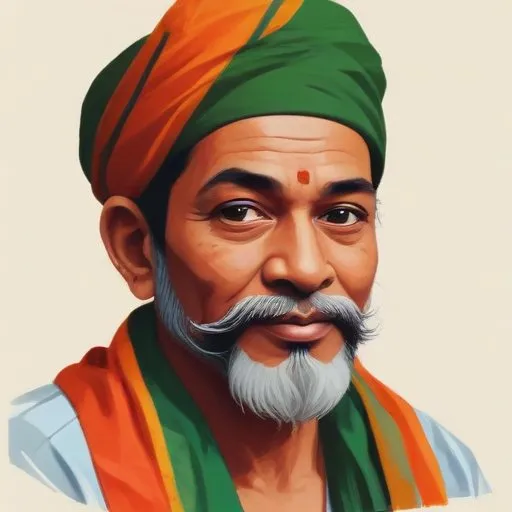
A renowned Bangladeshi artist celebrated for his vibrant, emotive depictions of rural life and folk culture. His works often blended traditional and modern techniques, earning him national acclaim.
SM Sultan, a renowned Bengali artist, is celebrated for his captivating depictions of muscular Bangladeshi peasants engaged in everyday activities. Through his artwork, Sultan masterfully captured the essence of rural life, elevating the humble and mundane to a level of dignity and beauty.
Sultan was born on August 10, 1923, in Machimdia village, Jessore District, British India (now Narail District, Bangladesh). Growing up, he demonstrated a natural talent for art, often drawing with charcoal and depicting the buildings his father, a mason, worked on.
Despite his family's financial constraints, Sultan's passion for art led him to secure financial support from a local zamindar, enabling him to pursue his dream of studying art in Calcutta (Kolkata) in 1938. It was during this period that he became affiliated with the Khaksar movement, led by Allama Mashriqi, which aimed to organize Muslim society and promote self-improvement.
Sultan's early works were influenced by Western techniques and forms, particularly Impressionism. However, as he matured as an artist, he began to decolonize his art, incorporating indigenous elements and shedding Western influences. This shift is evident in his later works, exhibited in 1976, which feature bold, vibrant depictions of rural life.
Sultan's contributions to fine arts earned him several prestigious awards, including the Ekushey Padak (1982), the Bangladesh Charu Shilpi Sangsad Award (1986), and the Independence Day Award (1993).
Today, Sultan's works are held in high esteem, with collections in prominent institutions such as the Bangladesh National Museum, the National Art Gallery Bangladesh, the S.M. Sultan Memorial Museum, and the Bengal Foundation. His art continues to inspire generations, offering a glimpse into the lives of rural Bangladeshis and celebrating their beauty and resilience.
Sultan's art reflects his deep appreciation for the beauty and dignity of rural life. Through his work, he sought to decolonize the art world, promoting indigenous forms and techniques over Western influences. His art serves as a testament to his belief in the importance of preserving and celebrating cultural heritage.
SM Sultan's legacy continues to inspire artists, art enthusiasts, and anyone who has been touched by his remarkable body of work. His artwork remains a powerful tribute to the beauty and resilience of rural Bangladesh, and a celebration of the human spirit.
Born in 1914
A pioneer of modern Bangladeshi art, he's renowned for his bold, emotive depictions of rural life and the Bangladesh Liberation War. His works evoke a sense of national identity and social justice.
96 Years Old
The 12th President of Bangladesh, a judge-turned-politician who played a crucial role in the country's transition to democracy after a military rule. He's known for his efforts to establish a stable government and promote national reconciliation.
