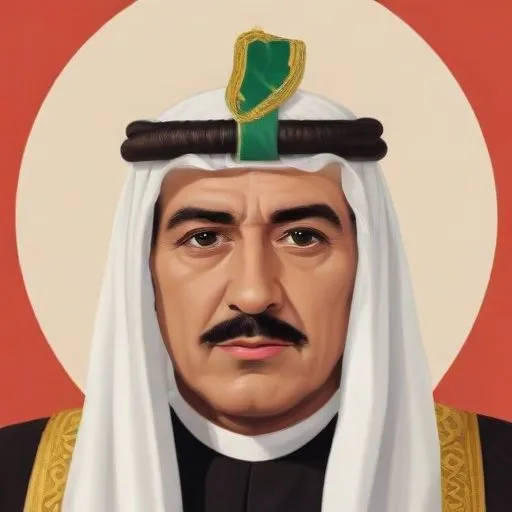
Sabah AlAhmad AlJaber AlSabah: The Emir Who Restored Kuwait's International Relations
A Legacy of Diplomacy and Leadership
Sabah AlAhmad AlJaber AlSabah, the Emir of Kuwait from 2006 to 2020, is renowned for his exceptional diplomatic skills and visionary leadership, which played a pivotal role in restoring Kuwait's international relations after the Gulf War. With a career spanning over six decades, Emir Sabah's influence extends beyond the borders of Kuwait, earning him the respect and admiration of world leaders.
Early Life and Education
Born on June 16, 1929, Emir Sabah received his primary education at Al Mubarakya School in the 1930s and completed his education under the guidance of tutors. He was the fourth son of Sheikh Ahmad AlJaber AlSabah and half-brother of the previous Emir of Kuwait, Jaber AlAhmad AlSabah.
Rise to Prominence
Emir Sabah's remarkable career began in 1963, when he was appointed as the Foreign Minister of Kuwait, a position he held for an impressive 40 years. During his tenure, he earned the distinction of being the longest-serving foreign minister in the world. As Foreign Minister, he played a crucial role in restoring Kuwait's international relations after the Gulf War. He was also the first deputy prime minister while serving as foreign minister and acted as the minister of finance from 1965 to 1967.
Reign and Succession
On January 15, 2006, Emir Jaber III passed away, and Crown Prince Sheikh Saad AlSalim AlSabah succeeded him. However, due to Prince Saad's ill health, Emir Sabah became the Prime Minister and de facto ruler of Kuwait from 2003 to 2006. Eventually, Emir Sabah succeeded Prince Saad as the Emir of Kuwait, a position he held until his passing in 2020.
Philosophical Contributions and Beliefs
Emir Sabah's leadership was guided by his strong commitment to democracy, human rights, and social justice. He believed in the importance of diplomacy and dialogue in resolving conflicts, and his diplomatic efforts earned him international recognition and respect.
Personal Milestones and Key Life Events
- In 2003, Emir Sabah was appointed as the Prime Minister of Kuwait, becoming the first prime minister from the Jaber branch of the ruling family.
- In 2006, he became the Emir of Kuwait, succeeding Crown Prince Sheikh Saad AlSalim AlSabah.
- Emir Sabah received numerous international awards and honors for his contributions to diplomacy and humanitarian efforts.
Influence on Modern Society
Emir Sabah's legacy extends beyond Kuwait's borders. He played a significant role in promoting regional stability and peace, and his diplomatic efforts helped to resolve several international crises. His commitment to social justice and human rights inspired a generation of leaders in the Middle East.
Controversies and Public Perception
Despite his many achievements, Emir Sabah faced criticism for his handling of certain domestic issues, including the rights of stateless individuals and the opposition's demands for reform. However, his commitment to democratic values and human rights earned him widespread respect and admiration from the international community.
Quotes and Memorable Sayings
"Dialogue and diplomacy are the keys to resolving conflicts and promoting peace and stability in the region."
Historical Context and Legacy
Emir Sabah's remarkable career and legacy are a testament to his dedication to his country and the people of Kuwait. His contributions to diplomacy, humanitarian efforts, and democratic values have inspired a generation of leaders and cemented his place in history as one of the most influential leaders of the Middle East.
Comparative Analysis with Contemporaries
Emir Sabah's leadership style and diplomatic efforts are often compared to those of other prominent leaders in the Middle East, including King
Abdullah of Saudi Arabia and President
Hosni Mubarak of Egypt. While each leader had their unique strengths and weaknesses, Emir Sabah's commitment to democracy, human rights, and social justice set him apart from his contemporaries.
Personal Relationships and Anecdotes
Emir Sabah was known for his warm and compassionate personality, earning him the respect and admiration of world leaders and ordinary citizens alike. His personal relationships with leaders such as US President
George W. Bush and UK Prime Minister
Tony Blair were instrumental in promoting regional peace and stability.
Impact on Pop Culture
Emir Sabah's diplomatic efforts and humanitarian work have inspired numerous artistic and cultural works, including films, documentaries, and literary works. His legacy continues to inspire a new generation of artists and writers in the Middle East.
Awards and Honors
Emir Sabah received numerous international awards and honors for his contributions to diplomacy, humanitarian efforts, and democratic values. Some notable awards include:
- The Prince of Asturias Award for International Cooperation (2010)
- The Arab League's Shield of Honour (2012)
- The Order of the Aztec Eagle (2016)
Charitable Work and Social Contributions
Emir Sabah was a devoted philanthropist, supporting numerous charitable organizations and initiatives in Kuwait and around the world. His charitable efforts focused on education, healthcare, and disaster relief.
Inspirational Stories and Motivations
Emir Sabah's remarkable life and career serve as an inspiration to leaders and citizens around the world. His commitment to diplomacy, democratic values, and humanitarian efforts is a testament to the power of visionary leadership and the importance of promoting peace and stability in the region.