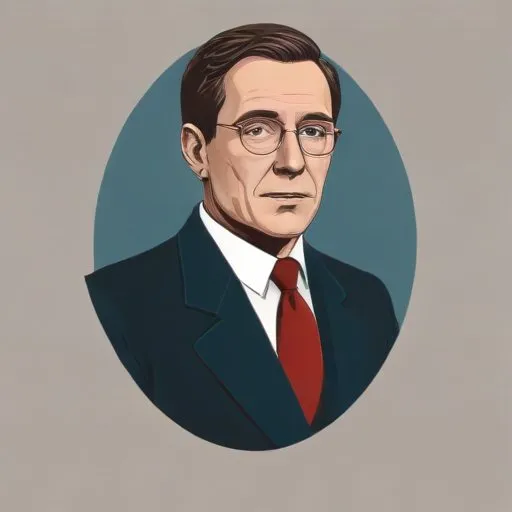
Samuel F. Miller: A Life of Public Service and Agricultural Pursuits
A Brief Introduction
Samuel F. Miller, a prominent figure in American politics during the latter half of the American Civil War, is best known for his service as a United States representative from New York. With a career spanning over two decades, Miller's contributions to the country's growth and development are undeniable.
Early Life and Education
Born on May 27, 1827, in Franklin, Delaware County, New York, Miller graduated from the Delaware Literary Institute. He furthered his education by studying law at Hamilton College, Clinton, New York, from which he graduated in 1852. Although he was admitted to the bar in 1853, Miller chose not to practice law, opting instead for a career in farming and lumbering.
Political Career
Miller's entry into politics began in 1854 when he was elected as a member of the New York State Assembly for Delaware County's 1st District. This was followed by his service as a colonel in the State militia. In 1863, Miller was elected as a Republican to the 38th United States Congress, where he served until 1865. He later became a member of the State constitutional convention in 1867 and district collector of internal revenue from 1869 to 1873. Miller's dedication to public service is evident in his multiple terms in office, including his election to the 44th United States Congress from 1875 to 1877.
Agricultural Pursuits and Later Life
After leaving politics, Miller returned to his farm in North Franklin, where he continued to engage in agricultural pursuits and lumbering. His commitment to the land and his community remained strong until his passing on March 16, 1892. Miller was interred in Ouleout Valley Cemetery, Franklin, New York.
Legacy and Impact
Through his extensive public service and contributions to agriculture, Miller left an indelible mark on American history. His dedication to the people of New York and his country is a testament to his strong character and sense of responsibility. As a representative, Miller worked tirelessly to promote the welfare of his constituents, and his commitment to farming and lumbering reflects his connection to the land and the people who worked it.
Timeline of Key Events
- May 27, 1827: Born in Franklin, Delaware County, New York
- 1852: Graduated from Hamilton College, Clinton, New York
- 1853: Admitted to the bar
- 1854: Elected as a member of the New York State Assembly for Delaware County's 1st District
- 1863: Elected as a Republican to the 38th United States Congress
- 1865: Completed term in the 38th United States Congress
- 1867: Member of the State constitutional convention
- 1869-1873: District collector of internal revenue
- 1875-1877: Elected to the 44th United States Congress
- March 16, 1892: Passed away in Franklin, New York
Conclusion
Samuel F. Miller's life was a testament to his commitment to public service and his community. Through his extensive political career and agricultural pursuits, Miller left a lasting impact on American history. His dedication to the people and the land is an inspiration to future generations, and his legacy continues to be felt today.
FAQ
What was Samuel F. Millers role in the American Civil War?
Samuel F. Miller was a vocal opponent of slavery and played a crucial role in the American Civil War, serving as a delegate to the 1860 Republican National Convention and later as a member of the 37th Congress.
What were Samuel F. Millers contributions to the Supreme Court?
Samuel F. Miller was a prominent lawyer and politician who served as an Associate Justice of the Supreme Court of the United States from 1862 to 1890, making significant contributions to landmark cases such as the Slaughter-House Cases.
What were Samuel F. Millers views on Reconstruction?
Samuel F. Miller was a strong supporter of Reconstruction, advocating for the rights of freed slaves and pushing for the passage of the Civil Rights Act of 1875.
Where did Samuel F. Miller receive his education?
Samuel F. Miller received his education from the Transylvania University in Kentucky, where he earned his law degree in 1836.
What were Samuel F. Millers early career pursuits?
Before entering politics, Samuel F. Miller practiced law in Kentucky and served as a prosecutor, later becoming a prominent figure in the Whig Party.