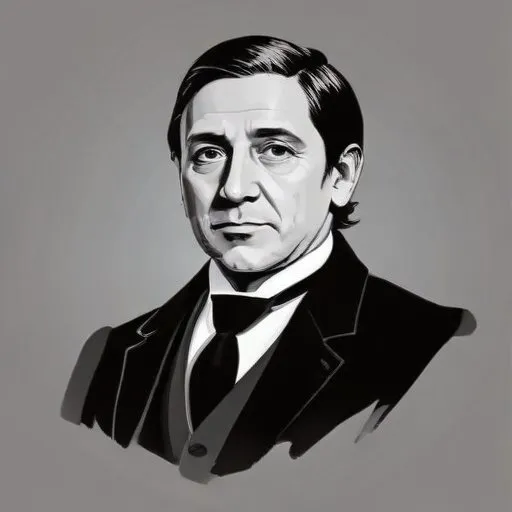
Samuel J. Tilden: The Unyielding Champion of Reform
A Life of Public Service and Unwavering Principle
Samuel J. Tilden, the 25th Governor of New York, is etched in the annals of American history as a beacon of reform and a champion of integrity. His unwavering commitment to rooting out corruption and promoting civil service reform earned him the Democratic nomination for President in 1876, a contentious election that would leave an indelible mark on the nation.
Early Life andeducation
Born on February 9, 1814, in New Lebanon, New York, Tilden was reared in a wealthy family that instilled in him the values of public service and moral rectitude. He pursued higher education at Yale University and later at New York University School of Law, laying the foundation for a distinguished legal career.
Rise to Prominence
Tilden's entry into politics was facilitated by his mentor,
Martin Van Buren, a prominent Democrat. He swiftly rose through the ranks, serving in the New York State Assembly and playing a pivotal role in launching Van Buren's presidential campaign in 1848. His opposition to slavery and support for
Abraham Lincoln during the Civil War earned him recognition as a War Democrat.
The Crusade Against Corruption
Tilden's most notable achievement came when he broke with the corrupt Tammany Hall faction in 1871, citing their rampant corruption as a blight on the Democratic Party. His subsequent election as Governor of New York in 1874 provided him with the platform to wage war against the Canal Ring, a syndicate of corrupt officials and businessmen. His uncompromising stance against corruption resonated with the electorate, making him the front-runner for the Democratic presidential nomination in 1876.
The Disputed Election of 1876
Tilden's presidential campaign focused on civil service reform, support for the gold standard, and opposition to high taxes. Despite winning the popular vote by a margin of 250,000 votes, the election was marred by controversy, with 20 electoral votes in dispute. The deadlock ultimately led to the Compromise of 1877, which awarded the presidency to Rutherford B. Hayes.
Legacy and Impact
Tilden's unwavering commitment to reform and his unshakeable integrity left an indelible mark on American politics. His crusade against corruption and his advocacy for civil service reform paved the way for future generations of reformers. Although his presidential ambitions were ultimately unrealized, his legacy as a champion of the people endures.
- Quotes:
- "The only way to restore public confidence is to give the people a clean and honest government."
Personal Milestones and Key Life Events
- February 9, 1814: Born in New Lebanon, New York
- 1848: Played a key role in launching Martin Van Buren's presidential campaign
- 1860: Opposed Abraham Lincoln in the presidential election
- 1868: Managed Horatio Seymour's presidential campaign
- 1874: Elected Governor of New York
- 1876: Won the Democratic nomination for President
- August 4, 1886: Passed away at the age of 72
Tilden's remarkable life serves as a testament to the power of unwavering principle and dedication to public service. His unshakeable commitment to reform continues to inspire generations of Americans, cementing his place as one of the most remarkable figures in American history.
FAQ
What were the major achievements of Samuel J. Tildens governorship?
Samuel J. Tildens governorship was marked by several significant achievements, including the reform of the New York State government, the establishment of a state board of charities, and the creation of a state civil service system.
What was Samuel J. Tildens role in the election of 1876?
Samuel J. Tilden was the Democratic nominee for president in the election of 1876. Although he won the popular vote, he lost the Electoral College vote to Rutherford B. Hayes, due in part to disputed electoral votes in several states.
How did Samuel J. Tilden contribute to the development of New York State?
Samuel J. Tilden contributed to the development of New York State through his work as a politician and lawyer. He was a strong advocate for reform and played a key role in shaping the states government and institutions.
What was Samuel J. Tildens education and background?
Samuel J. Tilden was educated at Yale University and later worked as a lawyer in New York City. He was a member of the New York State Assembly and served as governor of New York from 1875 to 1876.
What is Samuel J. Tildens legacy in American politics?
Samuel J. Tildens legacy in American politics is marked by his commitment to reform and his advocacy for good government. He is remembered as a strong and capable leader who played a significant role in shaping the course of American history.