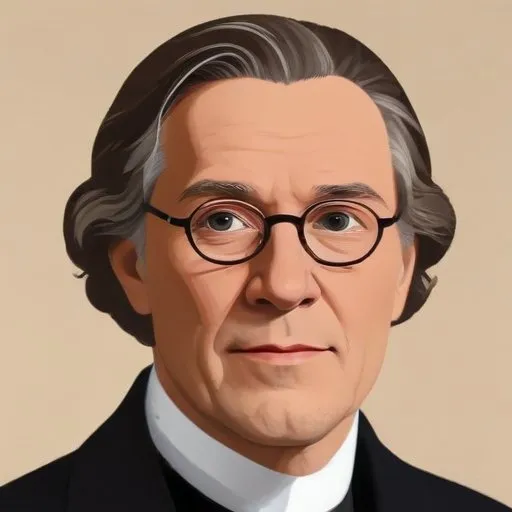
Samuel Langdon: The Patriotic President of Harvard University
A Champion of Education and Faith
Samuel Langdon, a renowned American Congregational clergyman and educator, left an indelible mark on the annals of Harvard University, serving as its president from 1774 to 1780. He was a beacon of patriotism, steering the institution through tumultuous times, and his contributions to the fields of theology, education, and politics continue to inspire generations.
Early Life and Education
Born on January 12, 1723, in Boston, Massachusetts, Langdon was the son of Samuel Langdon Sr. (1687-1723) and Esther Osgood. He attended Boston Latin School and graduated from Harvard in 1740. During his time in Portsmouth, New Hampshire, he studied theology and was licensed to preach, eventually becoming an ordained pastor in 1747.
A Career Marked by Patriotism and Scholarship
Langdon's ardent patriotism led him to adopt measures that were obnoxious to the Tory students during his presidency at Harvard. Despite the challenges, he administered the government of the college with justice, ultimately resigning in 1780. The following year, he became the pastor of the Congregational church at Hampton Falls, New Hampshire.
- In 1788, he was a delegate to the New Hampshire convention that adopted the Constitution of the United States, often leading its debates and working tirelessly to remove prejudice against the Constitution.
- Langdon was a distinguished scholar and theologian, exerting a wide influence in his community.
- He was a charter member of the American Academy of Arts and Sciences and received the degree of Doctor of Divinity from the University of Aberdeen in 1762.
Published Works and Cartographic Contributions
Langdon's literary endeavors include:
- Summary of Christian Faith and Practice (1768)
- Observations on the Revelations (1791)
- Remarks on the Leading Sentiments of Dr. Hopkins' System of Doctrines (1794)
- Many sermons and other publications
In 1761, he prepared and published a map of New Hampshire in collaboration with Colonel Joseph Blanchard.
Legacy and Impact
Samuel Langdon's contributions to education, theology, and politics have left a lasting legacy. His commitment to patriotism, scholarship, and community continues to inspire generations. He passed away on November 29, 1797, in Hampton Falls, New Hampshire, leaving behind a rich legacy that continues to shape American history.
Through his remarkable life and achievements, Samuel Langdon serves as a testament to the power of dedication, perseverance, and faith.
FAQ
What were Samuel Langdons contributions to American education?
Samuel Langdon was a pioneer in American education, serving as the fifth president of Harvard University from 1774 to 1780. He played a crucial role in shaping the universitys curriculum and was a strong advocate for education reform.
What was Samuel Langdons role in the American Revolution?
As a patriot, Samuel Langdon was an outspoken critic of British rule and played a significant role in the American Revolution. He delivered several sermons and speeches that inspired patriots and helped to galvanize public opinion against the British.
What was Samuel Langdons theological stance?
Samuel Langdon was a Congregationalist minister who believed in the importance of personal morality and social responsibility. He was a strong advocate for the separation of church and state and believed that Christianity should be a guiding force in American society.
Where did Samuel Langdon study theology?
Samuel Langdon studied theology at Harvard University, where he earned his Bachelors degree in 1761 and his Masters degree in 1764. He later went on to study at the University of Aberdeen in Scotland, where he earned his Doctor of Divinity degree in 1765.
What was Samuel Langdons legacy?
Samuel Langdons legacy is that of a dedicated educator, passionate patriot, and devout theologian. He played a significant role in shaping American education, politics, and religion, and his contributions continue to inspire and influence Americans to this day.