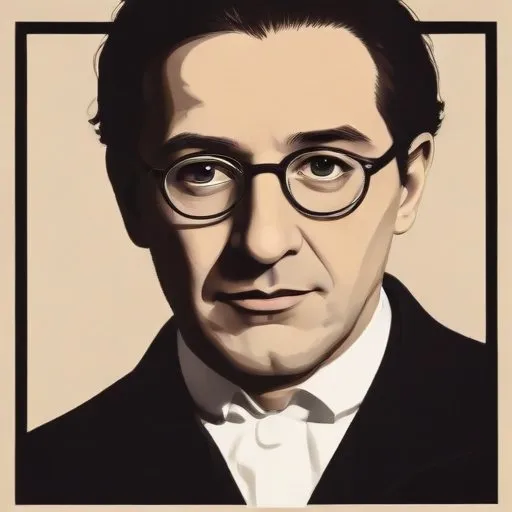
Sebastian Currier: The Maestro of Chamber Music and Orchestral Compositions
A Life Dedicated to Music
Sebastian Currier, born on March 16, 1959, is an American composer renowned for his eclectic and boundary-pushing chamber music and orchestral compositions. With a prolific career spanning over three decades, Currier has solidified his position as one of the most innovative and respected composers of his generation.
Early Life and Education
Born in Huntingdon, Pennsylvania, Currier was raised in Providence, Rhode Island, in a family of talented musicians. His brother, Nathan Currier, is also a noted composer. Currier's early exposure to music led him to pursue degrees from the prestigious Juilliard School and Manhattan School of Music.
Compositional Mastery
Currier's compositions are characterized by their unique blend of complexity and accessibility. His works often defy categorization, incorporating elements of classical music, avant-garde, and pop. Some of his notable compositions include:
- Crossfade, a mesmerizing piece for two harps that showcases Currier's ability to craft intricate, interlocking melodies.
- Microsymph, a 10-minute symphony that compresses the grandeur of a 30-minute work into a condensed, intense experience.
- Remix, a piece premiered by the Berlin Philharmonic that exemplifies Currier's talent for reworking and reimagining existing musical material.
Collaborations and Accolades
Currier has had the privilege of working with some of the world's most esteemed musicians and ensembles. Violinist
Anne-Sophie Mutter has recorded his
Aftersong, which Currier dedicated to her. He has also collaborated with the New York Philharmonic Orchestra and conductor Alan Gilbert on
Time Machines, a work that debuted in 2011.
Currier's accolades include the prestigious Grawemeyer Award for Music Composition for
Static, a work that showcases his innovative approach to chamber music. He has also received a Distinguished Alumni Award from the Manhattan School of Music.
Influence and Legacy
Currier's impact on modern classical music is undeniable. His unique compositional voice has inspired a new generation of musicians and composers. As an educator, he has taught at Columbia University, nurturing the talents of young musicians and composers.
As Artist-in-Residence at the Institute for Advanced Study at Princeton, Currier continues to push the boundaries of musical expression, exploring new sounds and techniques that will leave a lasting legacy in the world of classical music.
Awards and Honors
- 2007 University of Louisville Grawemeyer Award for Music Composition for Static
- 2010 Distinguished Alumni Award from the Manhattan School of Music
A Life of Music
Sebastian Currier's remarkable career is a testament to his dedication to the world of classical music. With a body of work that continues to inspire and challenge, Currier remains at the forefront of his field, leaving an indelible mark on the world of music.
FAQ
What type of music does Sebastian Currier primarily compose?
Sebastian Currier is an American composer, writing primarily classical music, including orchestral works, chamber music, and vocal pieces.
What is Sebastian Curriers compositional style?
Sebastian Curriers music is characterized by its lyricism, rhythmic energy, and use of complex harmonies, often drawing on literary and poetic inspirations.
What notable awards has Sebastian Currier received?
Sebastian Currier has won numerous awards, including the Pulitzer Prize for Music, the Grawemeyer Award, and the Rome Prize.
Has Sebastian Currier collaborated with any notable ensembles?
Yes, Sebastian Currier has collaborated with ensembles like the New York Philharmonic, the Chicago Symphony Orchestra, and the Chamber Music Society of Lincoln Center.
What is Sebastian Curriers role in music education?
Sebastian Currier has taught composition at institutions like the Juilliard School, the Curtis Institute of Music, and the Tanglewood Music Center.