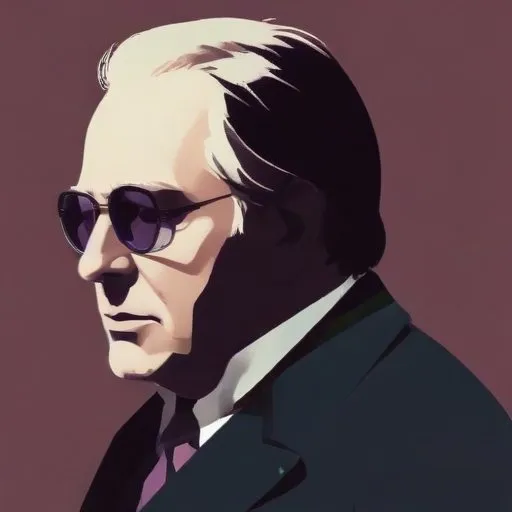
William Bolcom: Master Composer and Pianist
A Prolific Career and Enduring Legacy
William Elden Bolcom is a renowned American composer and pianist, celebrated for his versatility and depth in a wide range of musical genres. With a distinguished career spanning over six decades, Bolcom has made significant contributions to the world of music, earning him numerous accolades, including the Pulitzer Prize, the National Medal of Arts, and a Grammy Award.
Early Life and Education
Born on May 26, 1938, in Seattle, Washington, Bolcom began his musical journey at a tender age. He entered the University of Washington at 11 to study composition privately with
George Frederick McKay and John Verrall, and piano with Madame Berthe Poncy Jacobson. This early start laid the foundation for his future success. He later pursued his Master of Arts degree at Mills College, studying with
Darius Milhaud, and then earned his D.M.A. at Stanford University, where he worked with Leland Smith. A 2me Prix de Composition at the Paris Conservatoire, under the guidance of
Olivier Messiaen, further honed his skills.
Career Highlights and Major Works
Bolcom's illustrious career is marked by numerous milestones and achievements. He was awarded two Guggenheim Fellowships, in 1964 and 1968, for Music Composition. His Pulitzer Prize in 1988 recognized his remarkable work, "12 New Etudes for Piano." In 1994, he became the Ross Lee Finney Distinguished University Professor of Composition at the University of Michigan, a position he held until 2008.
- Notable compositions include "Songs of Innocence and Experience," a 3-hour work for soloists, choruses, and orchestra, and "A View from the Bridge," an opera based on Arthur Miller's play.
- As a pianist, Bolcom has recorded over two dozen albums with his wife, mezzo-soprano Joan Morris, showcasing their expertise in show tunes, parlor, and popular songs from the late 19th and early 20th century.
Awards and Honors
Throughout his career, Bolcom has received numerous awards and honors, including:
- The National Medal of Arts (2006)
- A Grammy Award
- The Detroit Music Award
- Composer of the Year by Musical America (2007)
Teaching and Legacy
Bolcom's teaching legacy is substantial, with notable students including Gabriela Lena Frank, Carter Pann, Elena Ruehr, and David T. Little. His influence on modern American music is profound, and his contributions to the University of Michigan's music department have left a lasting impact.
Personal Life and Collaborations
Bolcom's marriage to Joan Morris in 1975 formed a partnership that extends beyond music. Together, they have performed and recorded extensively, bringing forgotten gems from the American songbook to life.
Inspirational Story and Motivations
Throughout his life, Bolcom has drawn inspiration from a wide range of sources, from the works of Henry Russell and
Henry Clay Work to the cabaret songs of the early 20th century. His passion for uncovering and celebrating America's forgotten musical heritage has inspired generations of composers and performers.
Philosophical Contributions and Beliefs
Bolcom's music often reflects his deep connection to the American experience, exploring themes of love, loss, and social commentary. His commitment to preserving and promoting the country's rich musical heritage has contributed significantly to our understanding of American culture.
Impact on Pop Culture
Bolcom's work has also had a profound impact on popular culture, influencing a wide range of artists and genres, from cabaret and musical theater to jazz and contemporary classical music.
In conclusion, William Bolcom's remarkable career is a testament to his boundless creativity, dedication, and passion for music. As a composer, pianist, and educator, he has left an indelible mark on American music, ensuring his legacy will continue to inspire and delight audiences for generations to come.
FAQ
What is William Bolcoms most notable composition?
William Bolcom is perhaps best known for his setting of William Blakes Songs of Innocence and of Experience, which won the 1988 Pulitzer Prize for Music. This work showcases his mastery of vocal writing and ability to evoke a wide range of emotions.
What is William Bolcoms musical style?
Bolcoms compositional style is characterized by a unique blend of classical, jazz, and popular music elements. His works often feature complex harmonies, intricate rhythms, and a strong emphasis on melodic lyricism.
What are some of William Bolcoms notable collaborations?
Bolcom has collaborated with several notable artists, including mezzo-soprano Joan Morris, with whom he has performed and recorded extensively. He has also worked with pianist Emanuel Ax and the chamber ensemble, Eighth Blackbird.
What are William Bolcoms contributions to music education?
Bolcom has been a dedicated music educator, teaching composition and piano at the University of Michigan for over 40 years. He has also written several pedagogical works, including The Bolcom Guide to Teaching Piano.
What awards has William Bolcom received for his compositions?
In addition to the Pulitzer Prize, Bolcom has received numerous awards, including the National Medal of Arts, the Grammy Award for Best Classical Contemporary Composition, and multiple awards from the American Academy of Arts and Letters.