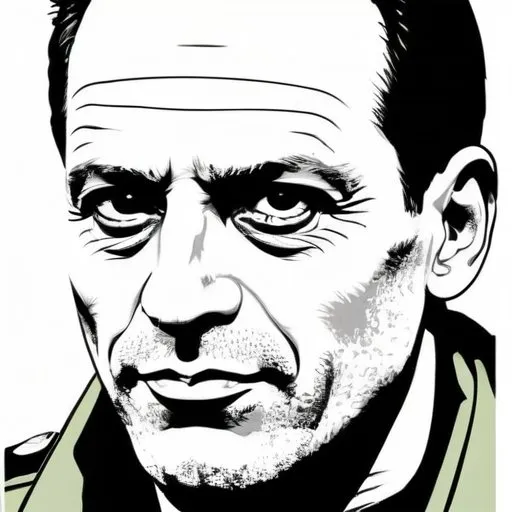
Sebastian Junger: The Adventurous Journalist and Filmmaker
A Career Built on Danger and Adventure
Sebastian Junger is renowned for his unflinching reporting on some of the world's most perilous occupations and combat zones, as well as his captivating storytelling through film and literature. His groundbreaking work has taken him to the frontlines of the War in Afghanistan, the high seas, and the depths of human experience.
Breakthrough Success with The Perfect Storm
Junger's career-defining book,
The Perfect Storm: A True Story of Men Against the Sea, published in 1997, catapulted him to fame. The book's gripping narrative, which recounts the true story of a group of fishermen caught in a catastrophic storm, not only became a bestseller but also inspired a major motion picture. This success paved the way for a resurgence in adventure creative nonfiction writing.
War Reporting and Documentaries
Junger's extensive reporting on the War in Afghanistan spanned over a decade, during which he frequently embeded himself in remote and treacherous military outposts. His experiences during this period are chronicled in his book
War (2010) and the acclaimed documentary film
Restrepo (2010), which won the Grand Jury Prize for Best Documentary at the Sundance Film Festival.
Exploring Themes of Brotherhood, Trauma, and Human Connection
Throughout his body of work, Junger explores complex themes such as brotherhood, trauma, and the intricate relationships between individuals and society. His stories often originate from the fringes of human experience, offering a unique lens through which to examine the human condition.
Personal Background and Inspiration
Born on January 17, 1962, in Belmont, Massachusetts, Junger is the son of a painter and a physicist of Russian, Austrian, Spanish, Italian, and Jewish descent. His father's journey to the United States during World War II, fleeing persecution, and his own upbringing in the neighborhood where the Boston Strangler operated, influenced Junger's later work, including his book
A Death in Belmont (2006).
Education and Early Influences
Junger graduated from Concord Academy in 1980 and went on to earn a Bachelor of Arts degree in cultural anthropology from Wesleyan University in 1984. During his time at university, he developed a fascination with Navajo long-distance running and its traditional roots, which became the subject of his thesis.
Additional Notable Works and Accolades
- War (2010) – a collection of his field reporting for Vanity Fair
- Restrepo (2010) – a documentary film that won the Grand Jury Prize for Best Documentary at the Sundance Film Festival
- A Death in Belmont (2006) – a book inspired by his childhood neighborhood and the Boston Strangler
Legacy and Impact
Sebastian Junger's unwavering commitment to telling the untold stories of humanity has left an indelible mark on the world of journalism, literature, and filmmaking. His courage, compassion, and storytelling prowess continue to inspire a new generation of writers, filmmakers, and adventurers.
FAQ
What is Sebastian Jungers most famous book?
Sebastian Junger is perhaps best known for his bestselling book The Perfect Storm, which tells the true story of a group of fishermen who got caught in a devastating storm off the coast of New England.
How did Sebastian Junger get his start in journalism?
Sebastian Junger began his career as a journalist in the 1990s, covering conflicts and disasters around the world for publications like The New York Times and Vanity Fair.
What is Sebastian Jungers view on war and conflict?
Sebastian Junger has spent extensive time embedded with troops in Afghanistan and Iraq, and has written about the psychological toll of war on soldiers. He has also explored the concept of brotherhood and camaraderie among warriors.
What is Sebastian Jungers documentary film work?
Sebastian Junger has directed several documentary films, including Restrepo and Korengal, which explore the lives of soldiers in combat zones and the effects of war on their mental health.
What is Sebastian Jungers take on the role of journalists in society?
Sebastian Junger believes that journalists play a crucial role in shaping public opinion and holding those in power accountable. He has spoken about the importance of objective reporting and the need for journalists to take risks to get the story.