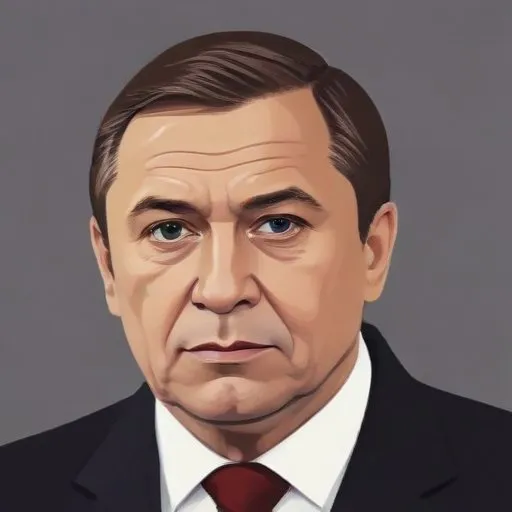
The Enigmatic Sergey Kirov: A Life of Intrigue and Revolution
A Murder That Shook the Soviet Union
Sergey Kirov, the charismatic and ambitious Soviet politician, is known for his pivotal role in shaping the Soviet Union's early years, as well as his brutal and mysterious assassination in 1934. As the First Secretary of the Leningrad Communist Party and a member of the Politburo, Kirov's influence extended far beyond the Party's inner circles, captivating the attention of historians and political theorists alike.
Early Life and Career
Born in 1886 in Urzhum, Russia, Sergey Kirov was the son of a poor family. Despite his humble beginnings, he demonstrated exceptional intellect and ambition from a young age. Kirov's dedication to the revolutionary cause led him to join the Russian Social Democratic Labor Party (RSDLP) in 1904. During the Russian Revolution of 1905, he was arrested multiple times for his involvement in underground activities.
Rise to Power
Following the October Revolution, Kirov swiftly rose through the Party's ranks, becoming a key figure in the Bolshevik government. His unwavering support for Stalin during the power struggle after Lenin's death solidified his position as a trusted ally. In 1926, Kirov assumed the role of First Secretary of the Leningrad Communist Party, a position that granted him significant influence over the country's second-largest city.
A Liberal Reformer?
Kirov's tenure in Leningrad was marked by a series of progressive reforms, which earned him a reputation as a liberalizer. He implemented policies aimed at improving the city's infrastructure, education, and healthcare systems. Additionally, Kirov advocated for more moderate approaches to industrialization and collectivization, diverging from Stalin's radical stance.
The Assassination
On December 1, 1934, Sergey Kirov was shot to death outside his office in the Smolny Institute by Leonid Nikolayev, a young Party member. The circumstances surrounding Kirov's assassination remain shrouded in mystery, with many theories pointing to Stalin's involvement. The event sparked a wave of purges and show trials, cementing Stalin's grip on power and plunging the Soviet Union into an era of terror.
Legacy and Controversies
Kirov's life and death have sparked intense debate among historians. Some portray him as a pragmatic reformer, while others view him as a ruthless apparatchik complicit in Stalin's atrocities. Regardless, Kirov's influence on the Soviet Union's development is undeniable.
- Quotes and Memorable Sayings: "The working class is not a class, but a people, and we must serve this people."
- Personal Milestones: Married to Maria Markus, with two adopted daughters, Kirov was known for his warm relationships with his family and friends.
- Philosophical Contributions: Kirov's moderate approach to socialism and industrialization offered an alternative to Stalin's radical policies.
Impact on Modern Society
Kirov's tragic demise serves as a cautionary tale about the dangers of unchecked power and authoritarianism. His legacy continues to inspire debates about the nature of socialism, the role of the state, and the importance of democratic reforms.
Inspirational Stories and Motivations
Despite the controversies surrounding his life, Kirov's unwavering commitment to the revolutionary cause and his dedication to improving the lives of the Soviet people remain a powerful testament to the human spirit. His story serves as a reminder that even in the darkest of times, there are those who strive to make a difference, no matter the cost.
FAQ
What was Sergey Kirovs role in the Soviet government?
Sergey Kirov was a prominent figure in the Soviet government, serving as a member of the Politburo and holding various high-ranking positions.
How did Sergey Kirovs early life influence his political views?
Kirovs experiences during the Russian Revolution and subsequent civil war shaped his Marxist ideology and commitment to the Soviet cause.
What were Sergey Kirovs key accomplishments as a Soviet politician?
Kirov played a crucial role in the industrialization of the Soviet Union, implementing policies aimed at rapid industrial development and modernization.
How did Sergey Kirovs assassination impact Soviet politics?
Kirovs assassination in 1934 marked a significant turning point in Soviet history, leading to a purge of perceived enemies of the state and solidifying Stalins grip on power.
What is Sergey Kirovs legacy in Soviet history?
Kirov is remembered as a prominent figure in the Soviet establishment, known for his unwavering commitment to the communist ideology and his contributions to the countrys industrial development.