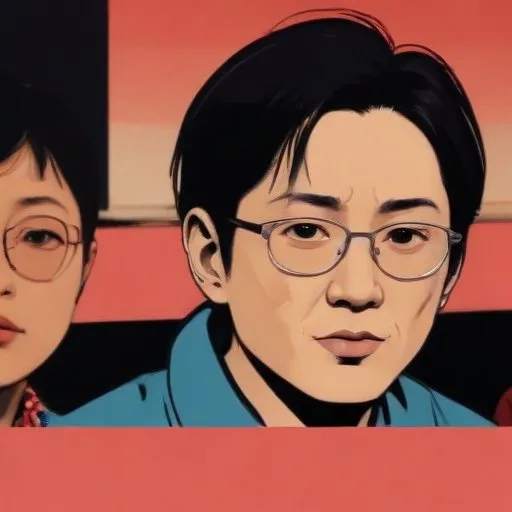
Shinobu Hashimoto: The Visionary Screenwriter Behind Cinema's Greatest Classics
Legendary Collaborations and Timeless Masterpieces
Shinobu Hashimoto is renowned for penning the scripts for some of the most iconic films in cinematic history, including
Akira Kurosawa's
Rashomon and
Seven Samurai. As a frequent collaborator with the legendary director, Hashimoto's work has left an indelible mark on the world of filmmaking, transcending cultural boundaries and inspiring generations of filmmakers.
Early Life and the Spark of Creativity
Born on April 18, 1918, in Hyogo Prefecture, Japan, Hashimoto's life took a drastic turn when he enlisted in the army in 1938. However, his military career was cut short due to illness, and he spent four years in a veterans' sanitarium, where he discovered his passion for screenwriting. It was during this period that he began working on a screenplay about his army experience, a project that would take him three years to complete.
A Prolific Career and Enduring Partnership
Hashimoto's collaboration with Akira Kurosawa spanned two decades, from 1950 to 1970, during which he wrote eight screenplays for the director. This partnership resulted in some of the most acclaimed films of all time, including
Rashomon,
Ikiru, and
Throne of Blood, a Japanese adaptation of Shakespeare's
Macbeth. Hashimoto's work during this period earned him numerous awards, including multiple Blue Ribbon Awards and Mainichi Film Awards.
Influence Beyond Borders
Hashimoto's influence extends far beyond Japan's borders. His scripts have inspired filmmakers around the world, including the creators of
The Magnificent Seven, a remake of
Seven Samurai, and
George Lucas, who has credited
The Hidden Fortress as an inspiration for
Star Wars.
Awards and Accolades
Throughout his career, Hashimoto received numerous accolades for his work, including:
- Multiple Blue Ribbon Awards
- Mainichi Film Awards
- Awards for Best Screenplay
Personal Milestones and Later Life
In 2006, Hashimoto authored a memoir,
Compound Cinematics: Akira Kurosawa and I, offering a unique glimpse into his collaborative partnership with the legendary director. He continued to work on screenplays until his later years, including a second full-length film adaptation of
I Want to Be a Shellfish in 2008. Hashimoto celebrated his 100th birthday in 2018, leaving behind a legacy that continues to inspire filmmakers and audiences alike.
Legacy and Impact on Cinema
Shinobu Hashimoto's contributions to cinema are immeasurable. His scripts have stood the test of time, continuing to captivate audiences with their rich storytelling, complex characters, and philosophical themes. As a master storyteller, Hashimoto's work has left an indelible mark on the world of filmmaking, ensuring his legacy as one of the greatest screenwriters of all time.
FAQ
What is Shinobu Hashimotos profession?
Shinobu Hashimoto was a Japanese director, producer, and screenwriter, known for his work in film and television.
What are Shinobu Hashimotos notable film credits?
Hashimoto is credited with writing and directing numerous films, including Rashomon and Seven Samurai, two of Akira Kurosawas most famous works.
What is Shinobu Hashimotos style of screenwriting?
Hashimotos writing is characterized by its simplicity, subtlety, and attention to detail, often exploring themes of humanity and morality.
What is Shinobu Hashimotos contribution to Japanese cinema?
Hashimotos work has had a significant impact on Japanese cinema, helping to shape the countrys film industry and inspire generations of filmmakers.
What awards did Shinobu Hashimoto win?
Hashimoto won numerous awards for his work, including the Japanese Academy Prize and the Mainichi Film Award.