


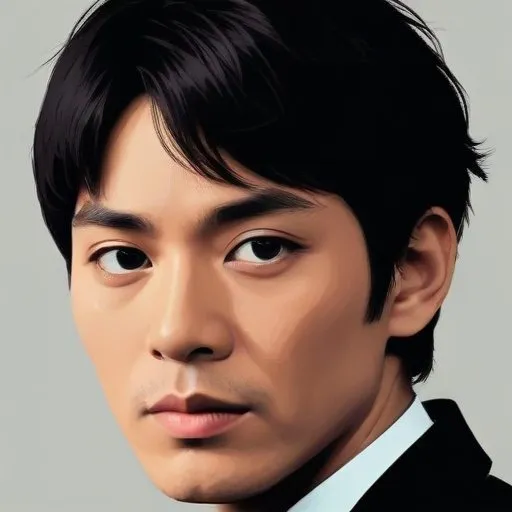
A renowned Japanese entertainer, he starred in the iconic Zatoichi film series, bringing the blind swordsman to life with his charismatic performances. He also ventured into music and filmmaking, leaving a lasting impact on Japanese popular culture.
Shintaro Katsu is a household name in Japan, synonymous with the country's most beloved film franchise, Zatoichi. As the actor, singer, and filmmaker behind the series, Katsu brought to life the character of the blind masseur Zatoichi, captivating audiences with his mesmerizing performances.
Born Toshio Okumura on November 29, 1931, Katsu was destined for a life in the entertainment industry. His father, Minoru Okumura, was a renowned kabuki performer and musician, and Katsu's early years were filled with the sounds of traditional Japanese music and theater. Initially, Katsu pursued a career as a shamisen player, but soon switched to acting after realizing it was more lucrative.
In the 1960s, Katsu's career took off with the Zatoichi series, which followed the adventures of a blind masseur who moonlights as a gambler and swordsman. The franchise, which spanned 25 films and 100 television episodes, cemented Katsu's status as a Japanese cultural icon.
Katsu's portrayal of Zatoichi was more than just a role – it was a manifestation of his own artistic vision. He took creative control of the series, writing, directing, and starring in many of the films and episodes. This creative autonomy allowed Katsu to infuse the character with his own personality, making Zatoichi an extension of himself.
In 1967, Katsu founded Katsu Productions, a company that would go on to produce many of his films and television projects. However, Katsu's personal life was marred by struggles with addiction and controversy. He was arrested multiple times for drug use, including marijuana, opium, and cocaine, and developed a reputation as a troublemaker on set.
Katsu's tumultuous personal life often spilled into his professional career. One notable incident occurred on the set of Akira Kurosawa's Kagemusha (1980), where Katsu clashed with the director over his aggressive filming style. Katsu eventually left the project, citing creative differences.
Despite his personal struggles, Katsu's contributions to Japanese cinema are undeniable. He inspired a new generation of filmmakers and actors, and his Zatoichi series remains a beloved cultural touchstone. In 1989, Katsu directed and starred in the 26th and final Zatoichi film, a testament to his enduring legacy.
Katsu's influence extends beyond Japan, with his films and television shows finding international acclaim. His unique blend of action, drama, and comedy has inspired filmmakers around the world, from Quentin Tarantino to Takeshi Miike.
Shintaro Katsu's remarkable career serves as a testament to his dedication to his craft and his unwavering passion for storytelling. Though he may have faced personal struggles, his legacy continues to inspire and entertain audiences around the world.
Born in 1910
A visionary filmmaker who crafted visually stunning and emotionally resonant movies that explored humanity, often blending Japanese culture with Western influences. His works continue to inspire generations of filmmakers and artists.
Born in 1905
A renowned Japanese actor, known for his iconic roles in Akira Kurosawa's films, including "Seven Samurai" and "Rashomon", bringing Japanese cinema to global attention.
Born in 1898
A pioneering filmmaker celebrated for his poignant and visually stunning portrayals of Japanese women's lives, exploring themes of social injustice and personal struggle.
Born in 1916
A pioneering filmmaker who explored the human condition through visually stunning and emotionally charged movies, often focusing on the struggles of the individual against societal norms.
Born in 1915
A renowned filmmaker behind iconic Japanese movies, including "The Burmese Harp" and "Fires on the Plain", known for his visually stunning and emotionally powerful storytelling.
