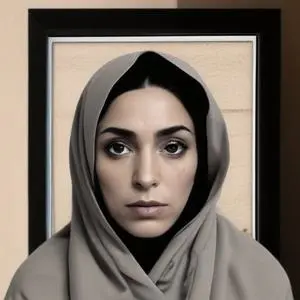
Shirin Neshat: The Visionary Iranian Artist Bridging East and West
A Powerhouse of Contemporary Art
Shirin Neshat is a celebrated Iranian photographer and visual artist renowned for her thought-provoking works that seamlessly merge film, video, and photography. Her groundbreaking art delves into the intricacies of Islamic and Western cultures, femininity and masculinity, public and private spheres, and the confluence of antiquity and modernity.
Early Life and Inspirations
Born on March 26, 1957, in Qazvin, Iran, Neshat grew up in a wealthy family with strong religious values. Her father, a physician, and her mother, a homemaker, instilled in her the importance of education and individualism. Neshat's fascination with the West was largely influenced by her father's romanticized perception of it. She spent her formative years in a Catholic boarding school in Tehran, where she developed a keen interest in art and learned to navigate diverse cultural perspectives.
Artistic Vision and Themes
Neshat's artistic journey began in the 1990s, soon after the Iranian Revolution. Since then, her work has been characterized by a profound sense of protest and humanity. Her films, photographs, and videos often explore the realms of oppression, tyranny, and political injustice. Through her art, Neshat strives to bridge the gaps between seemingly disparate worlds, revealing the intricacies of human experience.
Career Highlights and Major Works
- Turbulent (1998): A poignant film that juxtaposes the public and private spheres of Iranian society, showcasing the struggles of women in a patriarchal culture.
- Rapture (1999): A critically acclaimed video installation that delves into the complexities of femininity, identity, and the human condition.
- Tooba (2002): A photographic series that captures the essence of Iranian femininity, exploring themes of identity, culture, and societal expectations.
- Women Without Men (2009): A feature film that probes the lives of four Iranian women during the 1953 CIA-backed coup, garnering Neshat the Silver Lion for Best Director at the 66th Venice Film Festival.
Awards and Honors
Neshat's contributions to the world of art have been recognized through numerous accolades, including:
- International Award, XLVIII Venice Biennale (1999)
- Silver Lion, 66th Venice Film Festival (2009)
- Artist of the Decade, Huffington Post (2010)
Teaching and Mentorship
As a critic in the photography department at Yale School of Art, Neshat shares her expertise with emerging artists, guiding them to navigate the complexities of visual storytelling.
Philosophical Contributions and Beliefs
Neshat's artistic expression is deeply rooted in her philosophical outlook. She firmly believes that art must be a cry for humanity, a form of protest against oppression and injustice. Her work is a testament to the power of creative expression as a tool for social change.
Influence on Modern Society
Shirin Neshat's pioneering work has not only bridged cultural divides but has also inspired a new generation of artists, filmmakers, and photographers. Her unwavering commitment to exploring the intricacies of human experience has left an indelible mark on the world of contemporary art.
FAQ
What is Shirin Neshats artistic medium?
Shirin Neshat is a visual artist working primarily in film, video, and photography. Her works often explore themes of identity, politics, and feminism, using a poetic and lyrical style.
What is the significance of Shirin Neshats Woman Without Borders series?
Shirin Neshats Woman Without Borders series is a culmination of her work on Iranian womens experiences, exploring their struggles, desires, and roles within a patriarchal society.
How does Shirin Neshat address exile and displacement in her art?
Shirin Neshats work often reflects her own experiences of exile and displacement, having left Iran after the 1979 Revolution. She explores the complexities of identity, belonging, and cultural heritage in her films and installations.
What awards has Shirin Neshat received?
Shirin Neshat has received numerous awards, including the Golden Lion for Best Director at the Venice Film Festival, the Crystal Award for Outstanding Contributions to the Worlds of Arts and Culture, and the Praemium Imperiale award for Painting.
Can Shirin Neshats work be seen as a form of activism?
Yes, Shirin Neshats work can be seen as a form of activism, as she uses her art to raise awareness about social and political issues, particularly those affecting women in Iran and the Middle East.