


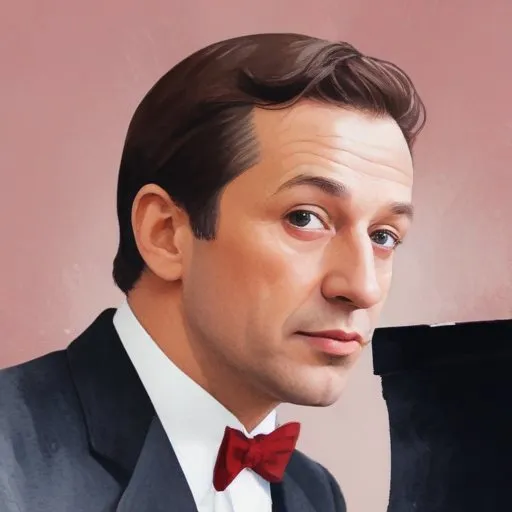
A Hungarian-American pianist and composer who created iconic operettas and musicals, blending European elegance with American showmanship, leaving a lasting legacy in the world of musical theater.
Sigmund Romberg, the Hungarian-born American composer, is best known for his iconic operettas and musicals that captivated audiences in the early 20th century. With his most famous works including The Student Prince, The Desert Song, and The New Moon, Romberg's legacy continues to enchant theatergoers and music lovers alike.
Born Siegmund Rosenberg on July 29, 1887, in Grosskanizsa, Hungary, Romberg grew up in a Jewish family during the Austro-Hungarian monarchy period. His early life was filled with music, learning to play the violin at six and piano at eight years old. After enrolling in the Osijek gymnasium, he was influenced by his father to pursue a career in music.
In 1909, Romberg boarded the SS Oceanic and sailed to the United States, where he worked briefly in a pencil factory before becoming a pianist in cafes and restaurants. His big break came in 1914 when the Shubert brothers hired him to write music for their Broadway theater shows, leading to his first successful revue, The Whirl of the World.
Romberg's adaptation of European operettas for American audiences, such as Maytime (1917) and Blossom Time (1921), showcased his talent for blending Viennese operetta with American musical styles. His operettas, including The Student Prince (1924), The Desert Song (1926), and The New Moon (1928), solidified his reputation as a master of the genre.
During the 1920s, Romberg's works dominated the Broadway scene, with his music and lyrics captivating audiences and critics alike. His use of lush melodies, witty dialogue, and comedic storylines created a unique blend of entertainment and sophistication.
Romberg's contributions to American musical theater cannot be overstated. He helped to popularize the operetta genre and paved the way for future composers and lyricists. His influence can be seen in the works of later composers, such as Rodgers and Hammerstein, and his music continues to be performed and admired today.
In addition to his theatrical credits, Romberg composed film scores, wrote popular songs, and founded his own orchestra. His music has been performed by renowned artists, including Nelson Eddy, Jeanette MacDonald, and Mario Lanza.
Sigmund Romberg's legacy as a composer, lyricist, and innovator in American musical theater continues to inspire and entertain audiences. His iconic operettas and musicals remain a testament to his boundless creativity and talent.
Sigmund Romberg's life and career serve as a reminder of the power of creativity and innovation in shaping the world of musical theater. His enduring legacy continues to captivate audiences, ensuring that his music and spirit will live on for generations to come.
Born in 1846
A successful cigar manufacturer and opera composer, he founded the Manhattan Opera Company, which rivaled the Metropolitan Opera, and wrote operas like "Nora" and "Dream City".
Born in 1885
Pioneering composer of musical theater, crafting iconic songs and scores that blended jazz, opera, and popular music, shaping the American musical landscape.
Born in 1879
A Czech-American pianist, composer, and academic who wrote operettas and musicals, blending European classical music with American popular music, creating iconic works like "Rose-Marie" and "The Vagabond King".
Born in 1859
A renowned cellist, composer, and conductor, he is most known for his operettas, such as "Babes in Toyland" and "Naughty Marietta", which showcased his mastery of light opera and musical comedy.
Born in 1888
A legendary composer and pianist who wrote over 1,500 songs, including iconic American standards like "God Bless America" and "White Christmas", shaping the Great American Songbook.
Born in 1898
A renowned pianist and composer who blended jazz and classical music to create iconic works like "Rhapsody in Blue" and "An American in Paris", leaving a lasting impact on American music.
Born in 1891
A legendary composer and songwriter behind timeless Broadway shows and Hollywood musicals, crafting witty, sophisticated, and romantic songs that have become jazz standards.
Born in 1902
Pioneering creator of iconic American musicals, blending music, dance, and drama to craft timeless classics like Oklahoma! and The Sound of Music.
